Monday’s pets on furniture
Posted on Mon, 8 Jan 2018 by KiM
If you would like to participate in the Monday’s pets on furniture series please send photos, your name, location and a brief description to kim[at]desiretoinspire[dot]net, or hashtag your photos on Instagram with #DTIpetsonfurniture. Thanks!
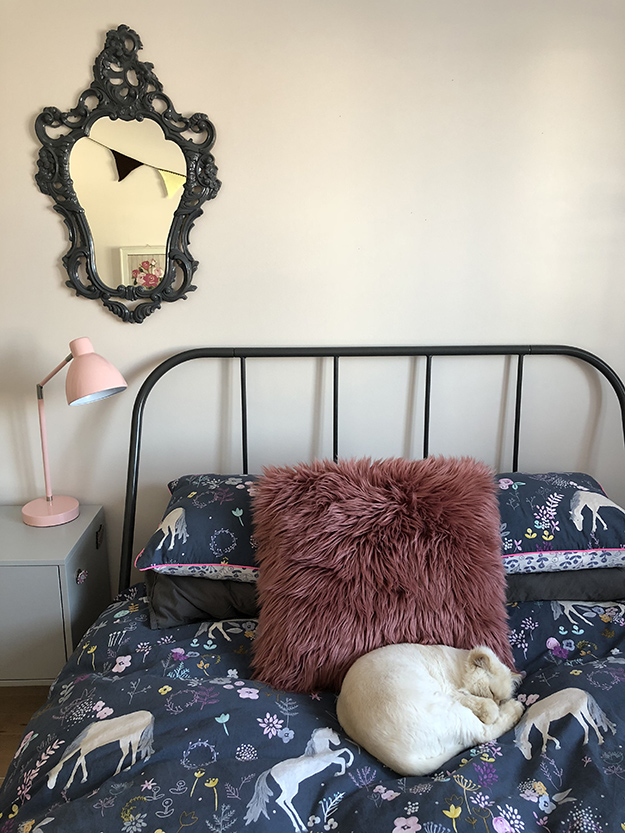
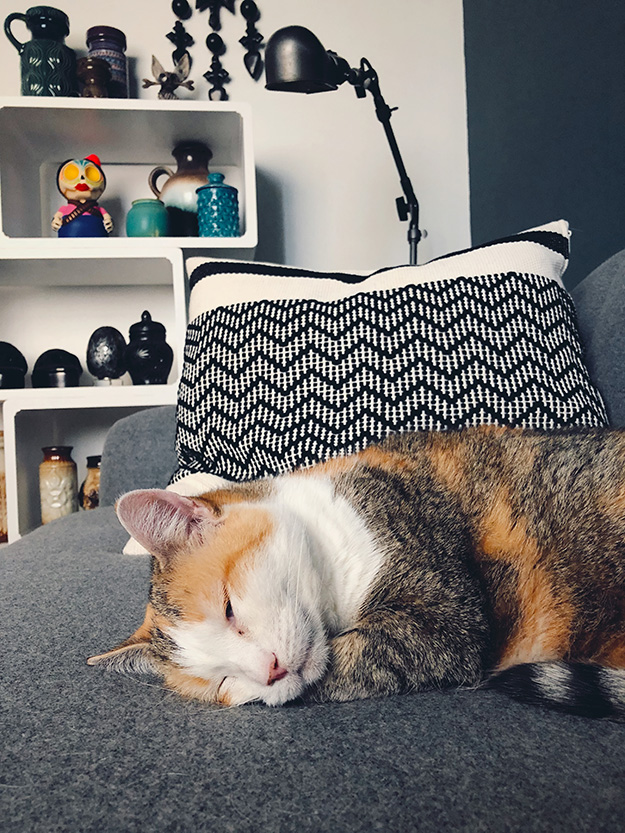
Here are a couple from my sister Jen. Carl having a nap and trying to keep warm with his new haircut and Zoe chilling on a lounge chair in the master bedroom.
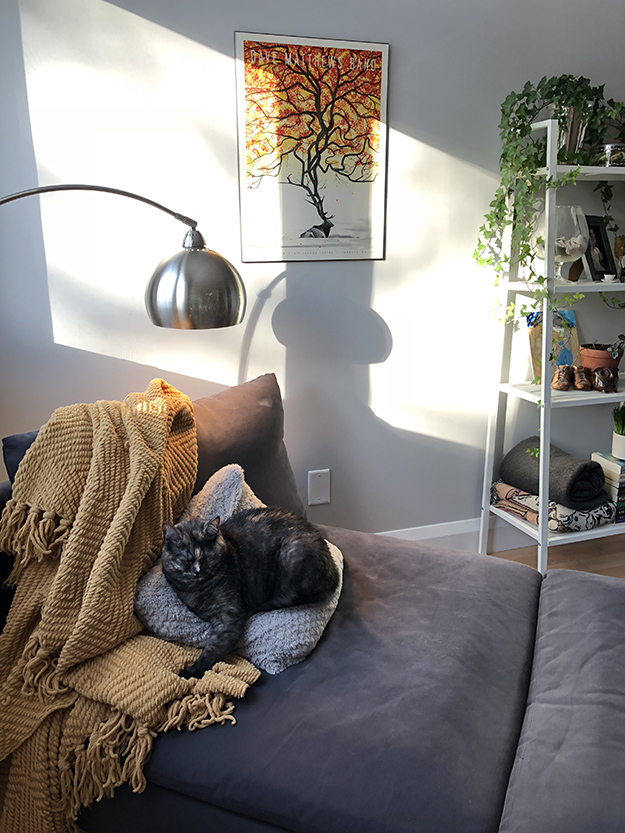
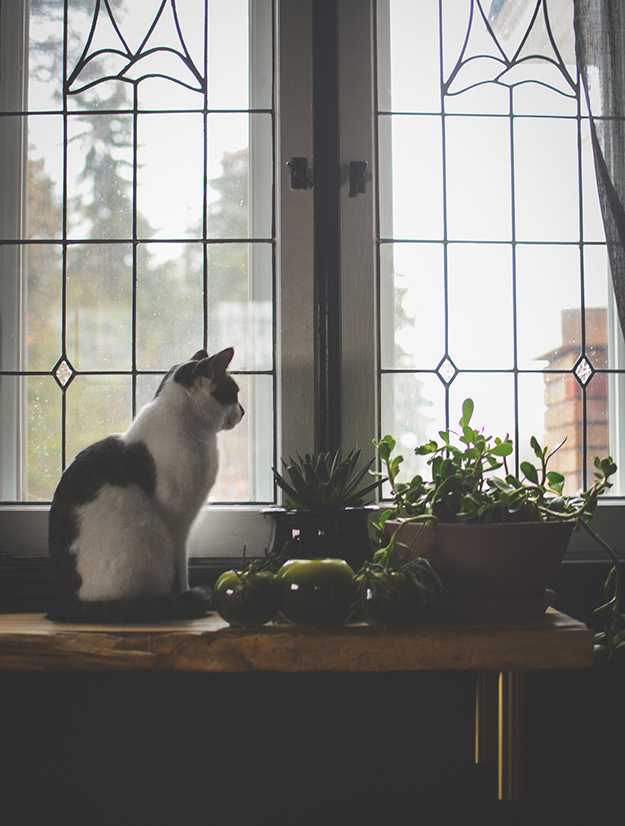
A couple from me. Bernie scoping out the action outside from the living room window on a table husband and I built for that purpose, and Phoebe snoozing next to me in our new media room while I Netflixed over the holidays.


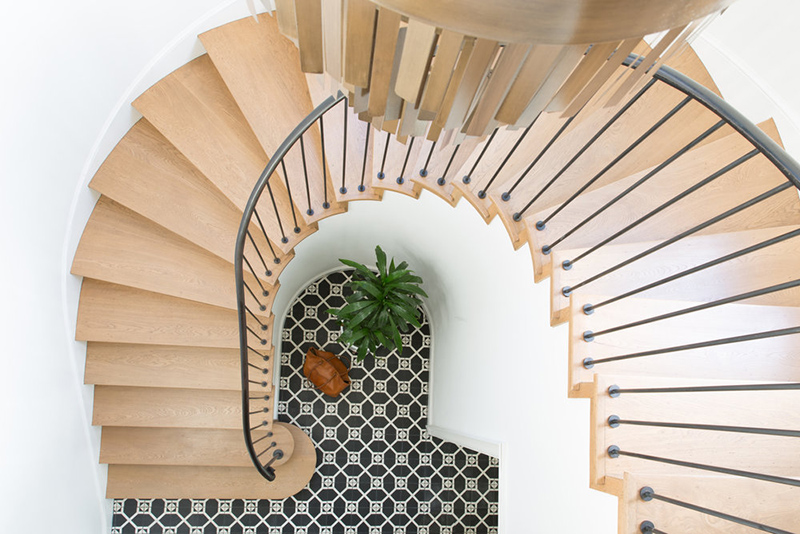
Kim’s favourite stairs 2017
Posted on Sun, 31 Dec 2017 by KiM
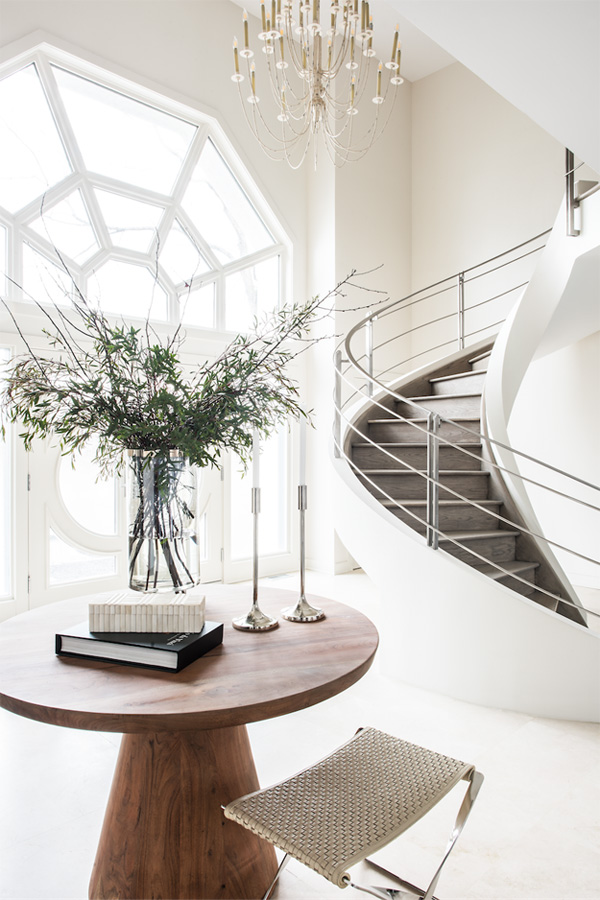
Anthony Michael from this post
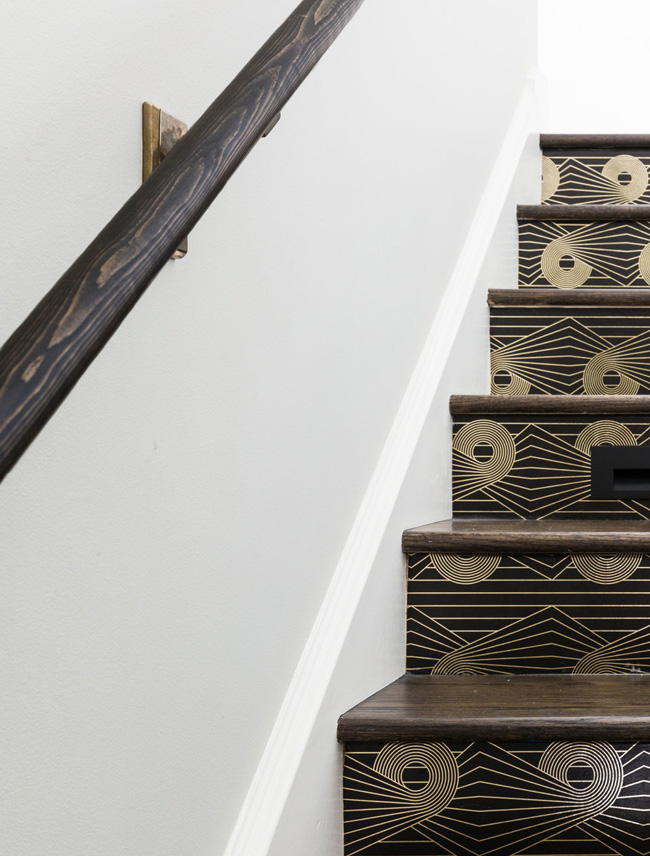
Brio Interior Design from this post
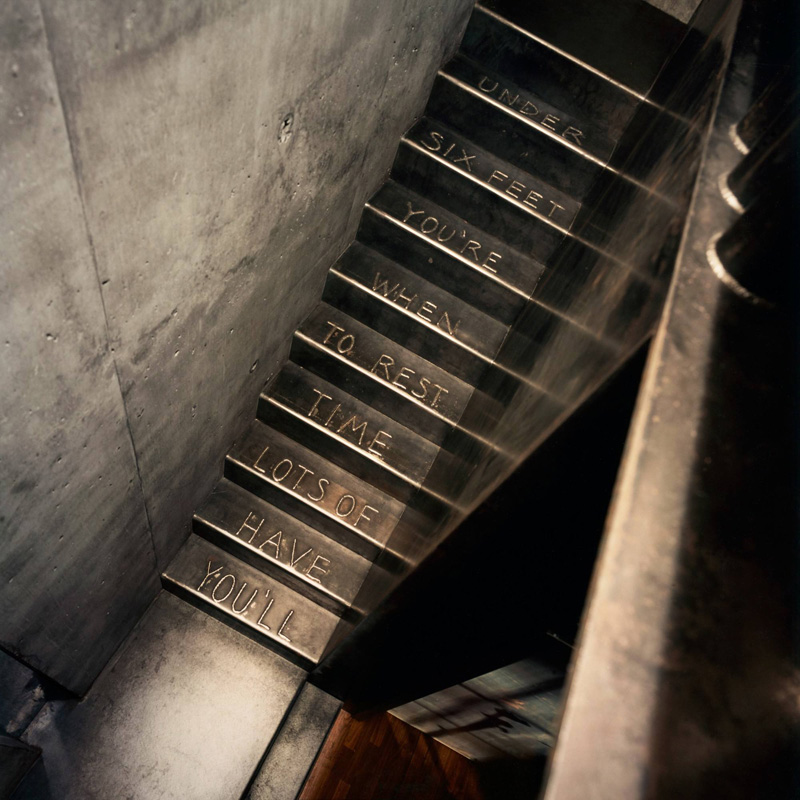
Olson Kundig from this post
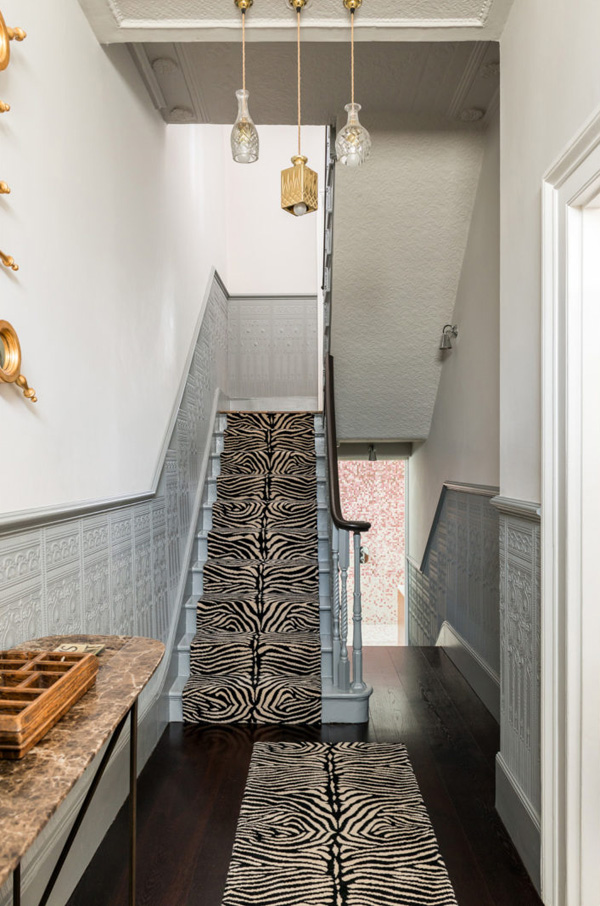
The Modern House from this post
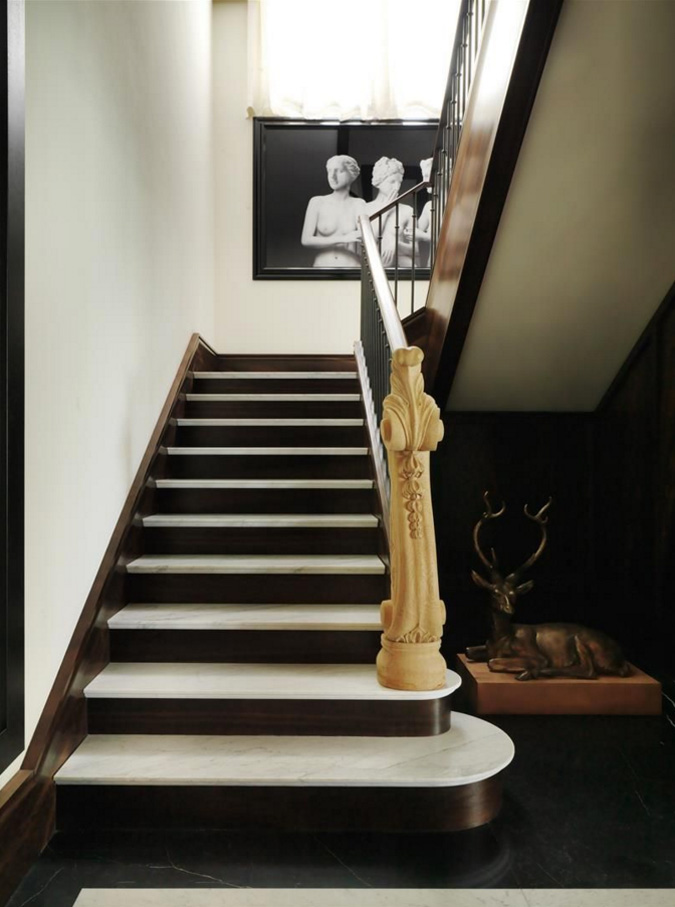
Gilles & Boissier from this post
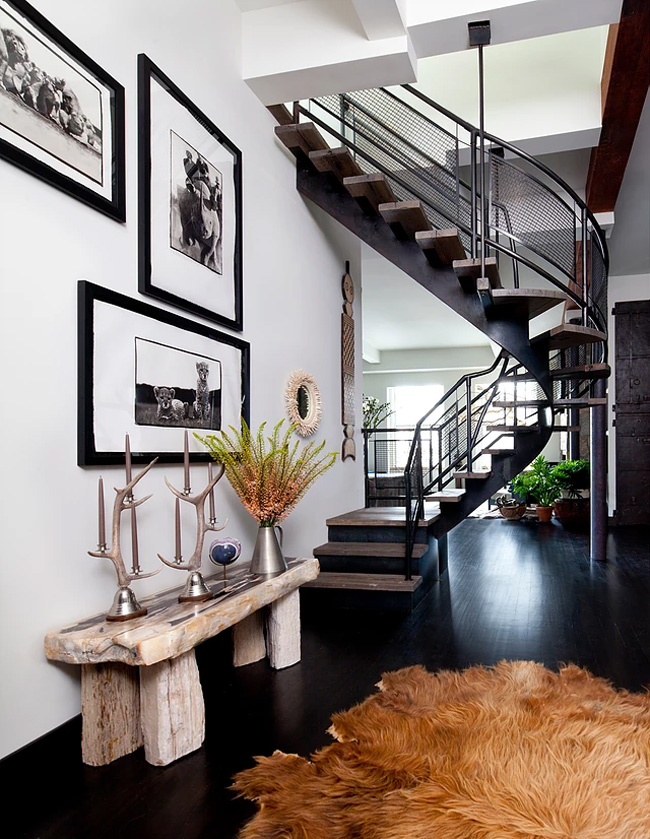
Huniford Design Studio from this post
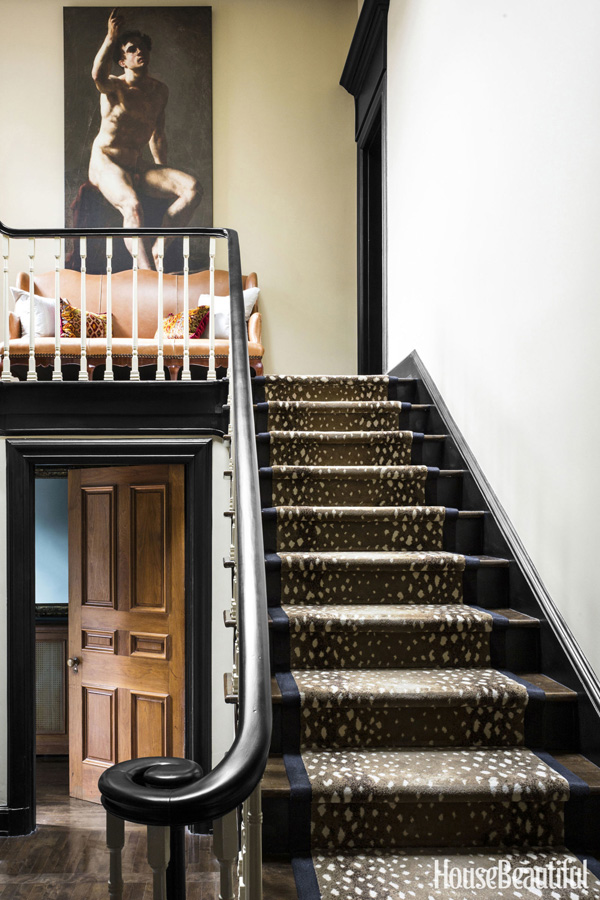
Garrow Kedigian from this post
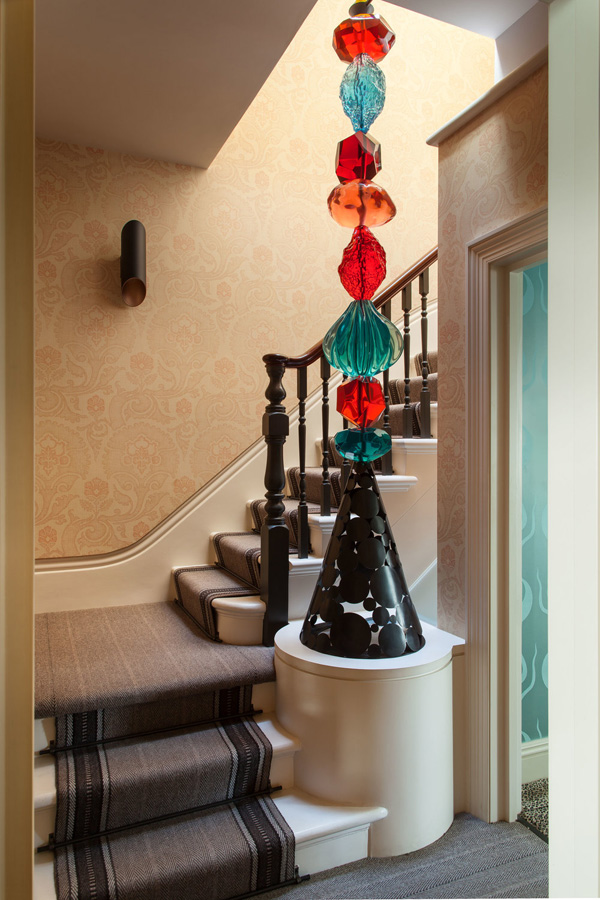
Ashley Hicks from this post
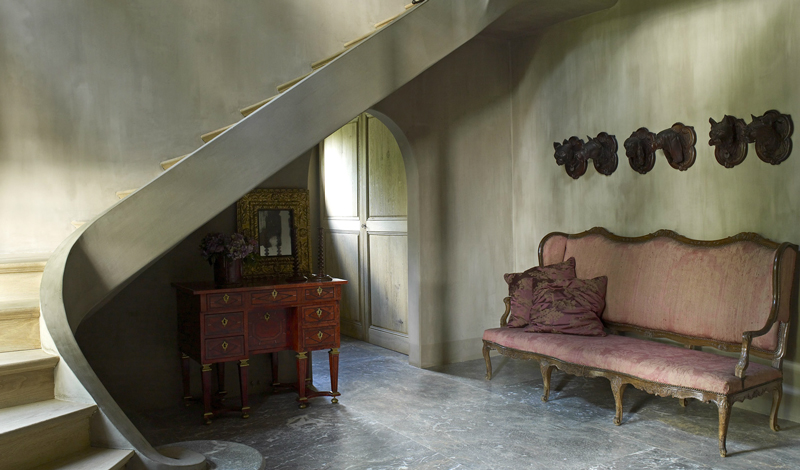
Claude Smekens from this post
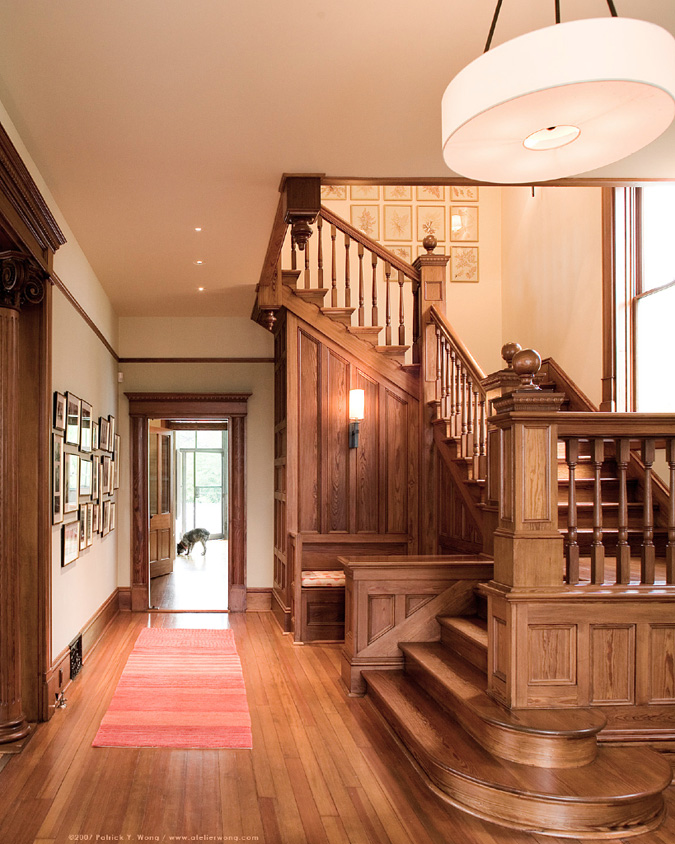
Mell Lawrence Architects from this post
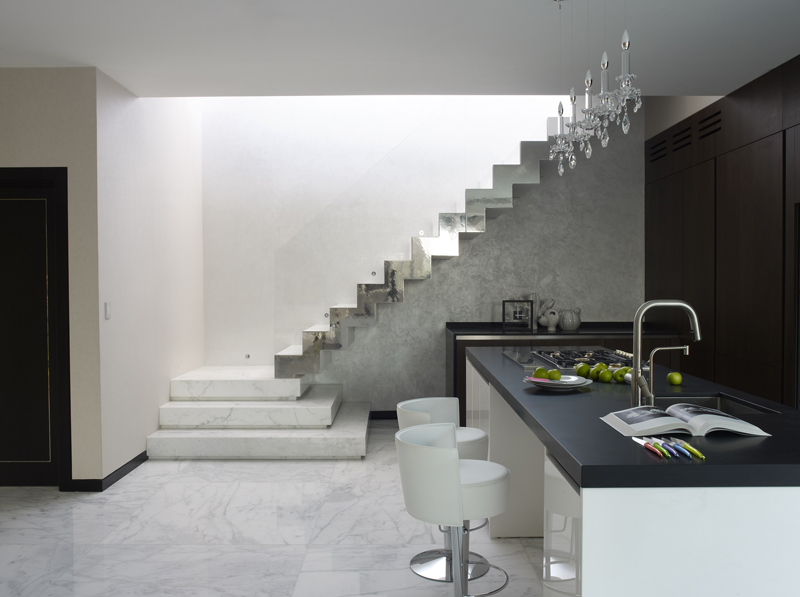
Oliver Burns from this post
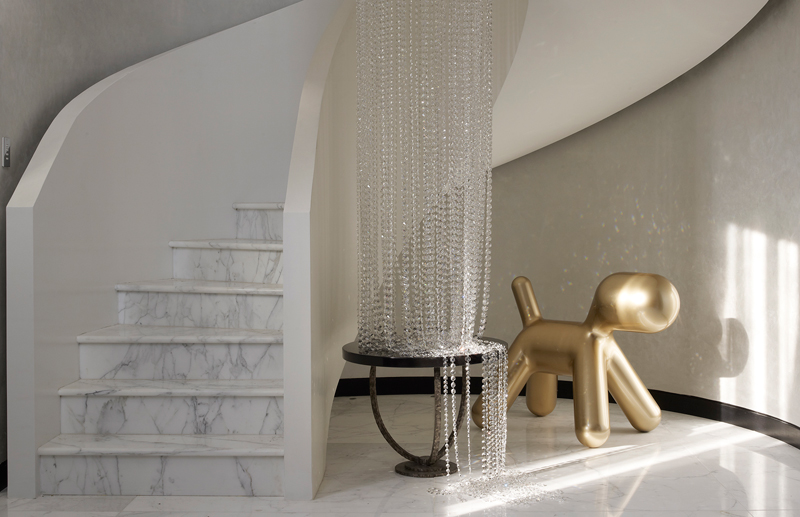
Oliver Burns from this post
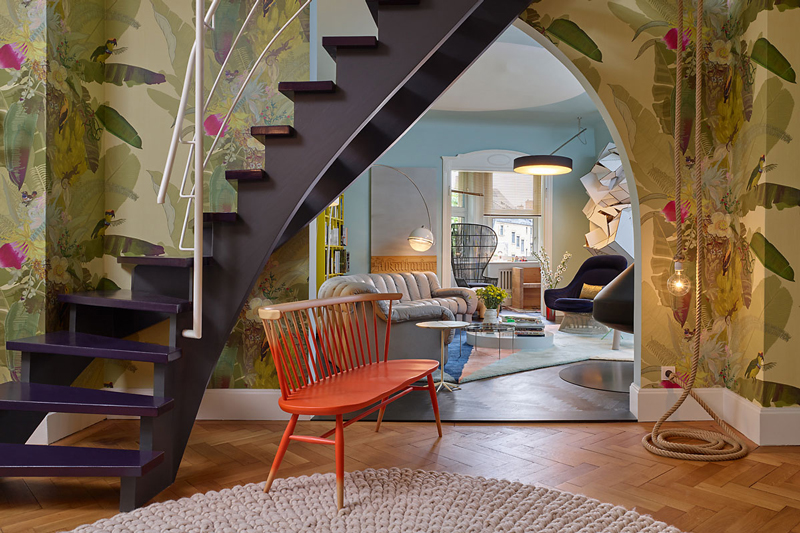
Ippolito Fleitz Group from this post
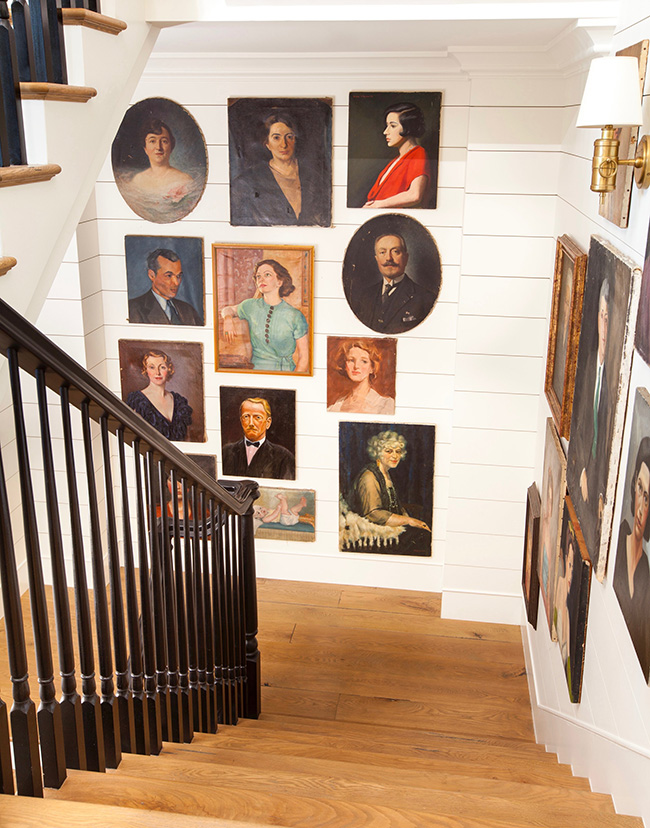
Alison Kandler from this post
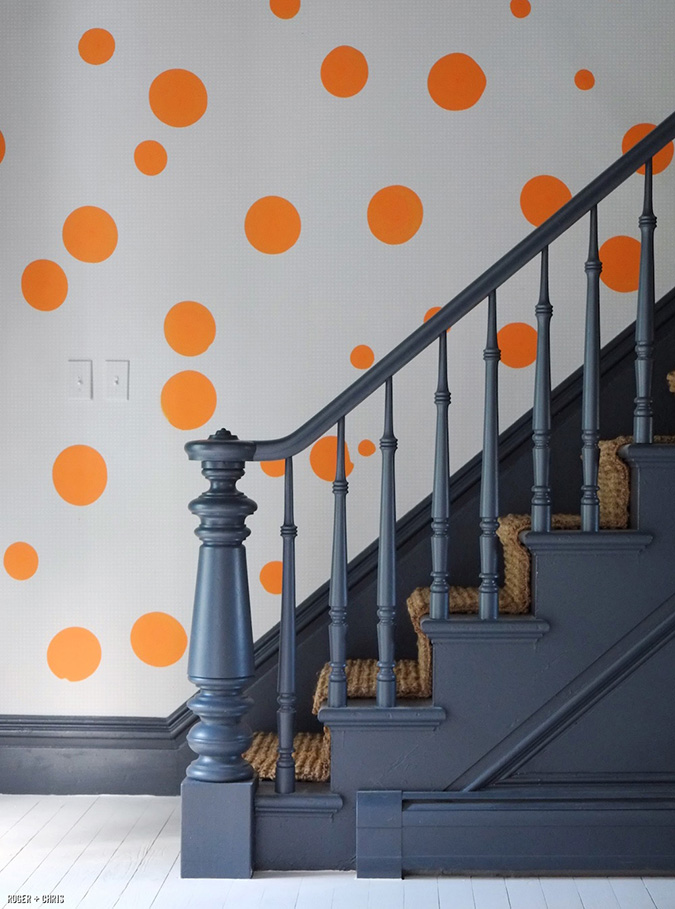
Roger + Chris from this post
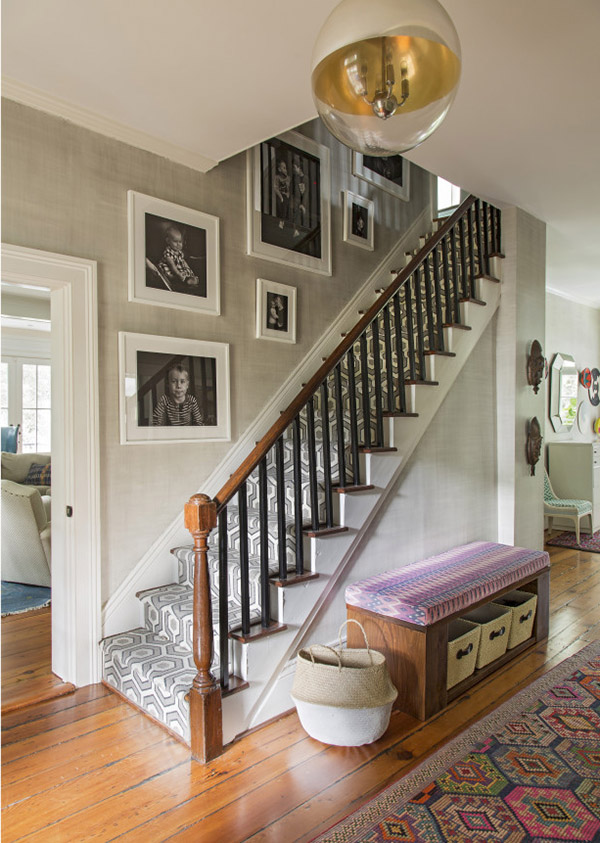
Jenny Keenan from this post
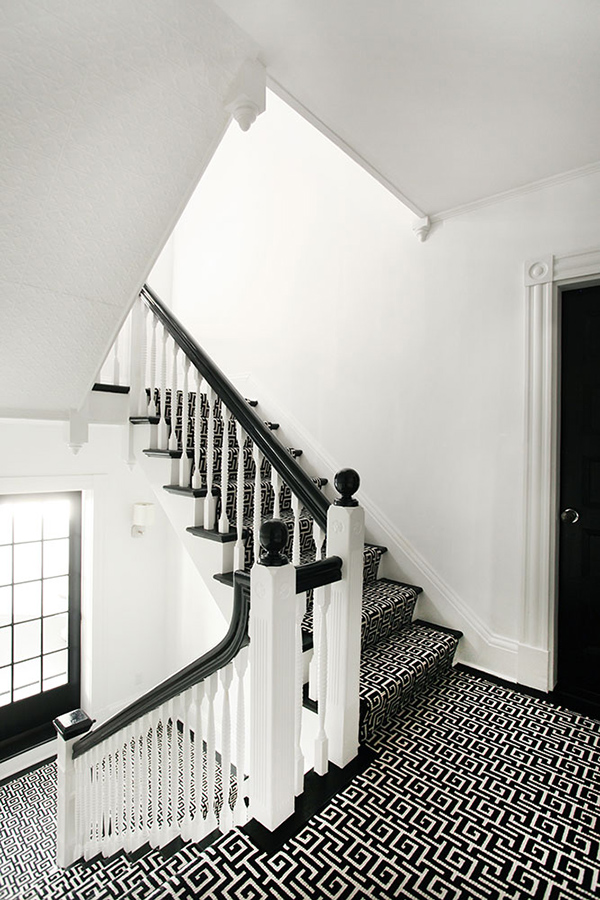
Michelle Gerson from this post
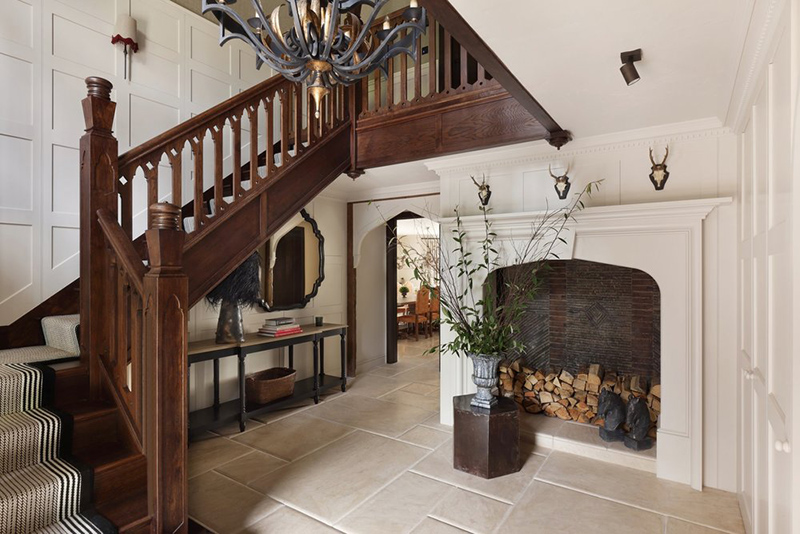
Studio Duggan from this post
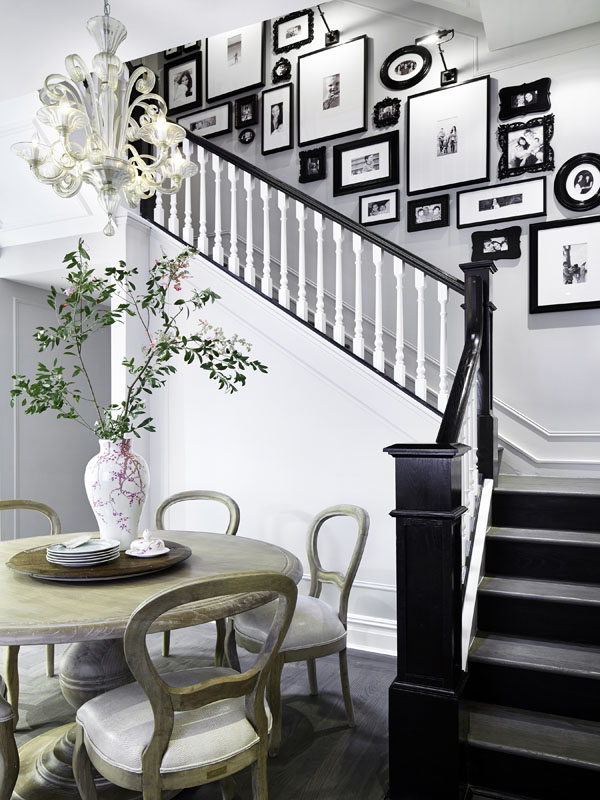
Rob Stuart from this post
Kim’s favourite hallways 2017
Posted on Sun, 31 Dec 2017 by KiM
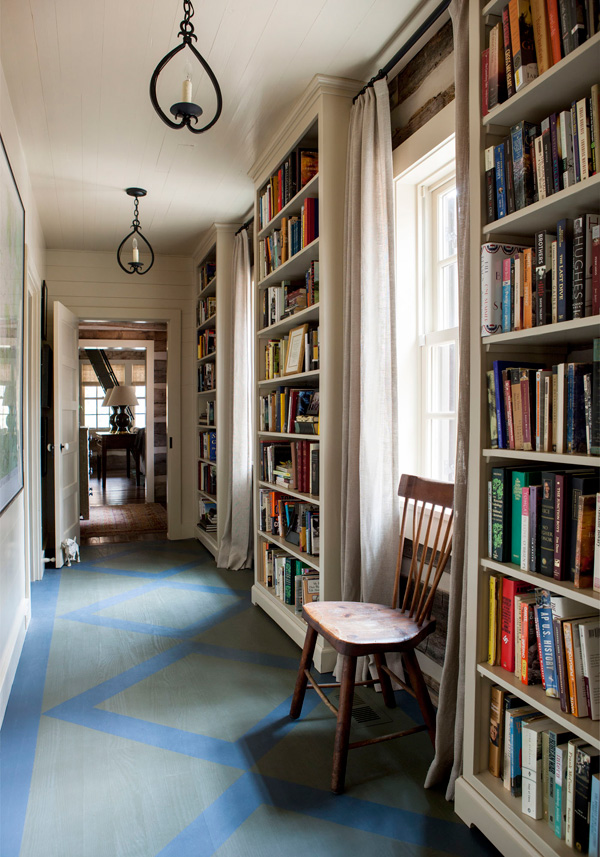
Tammy Connor from this post
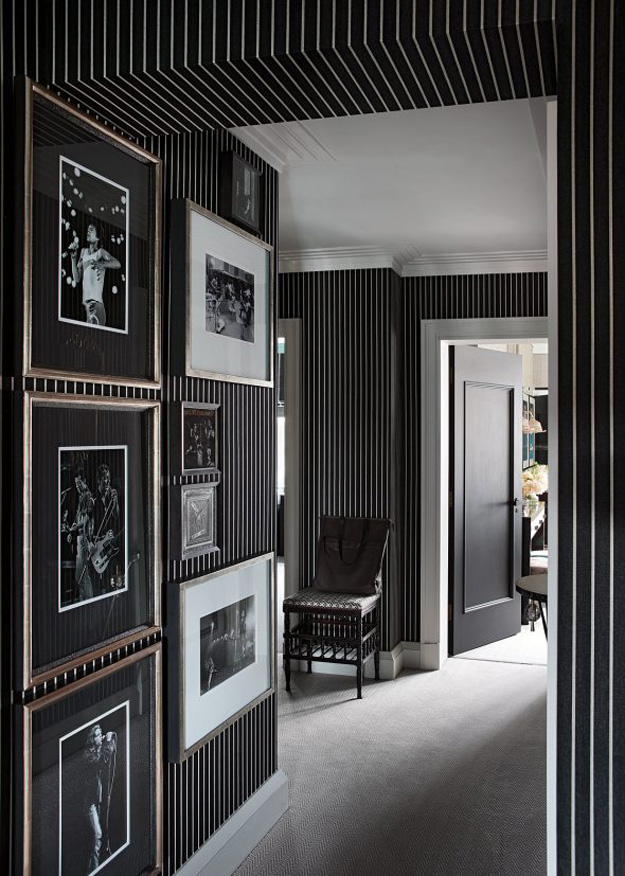
Hubert Zandberg from this post
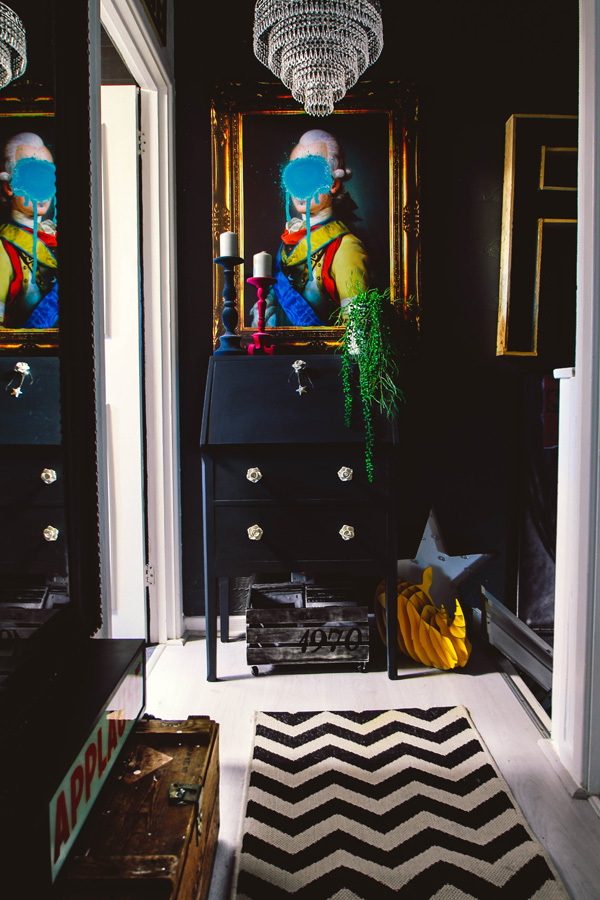
Pati Robins from this post
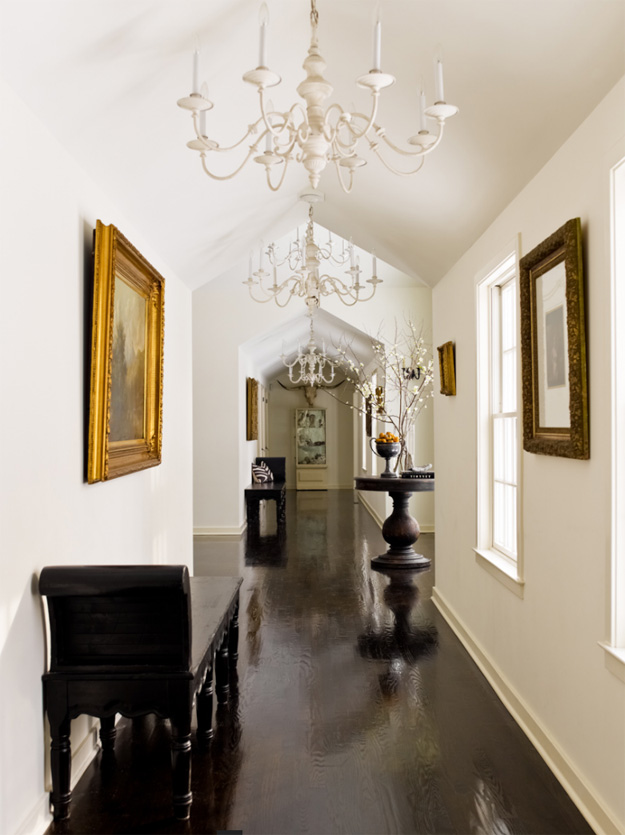
Eric Piasecki from this post
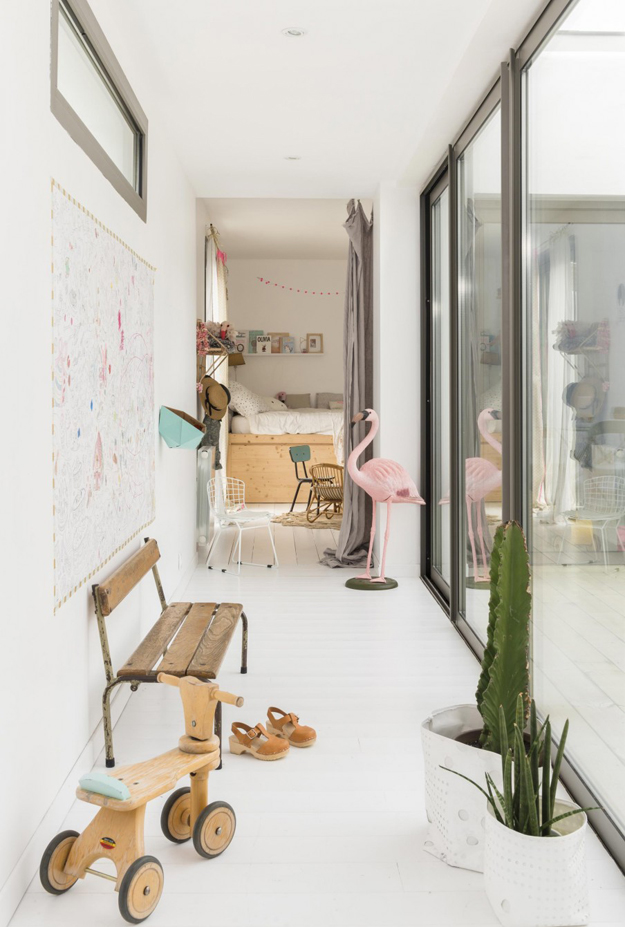
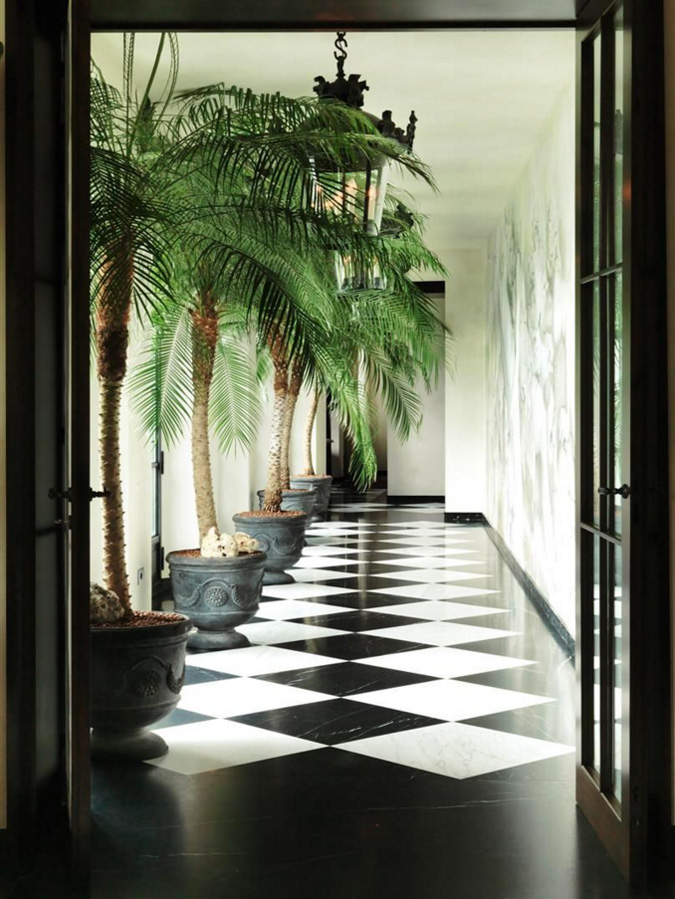
Gilles & Boissier from this post
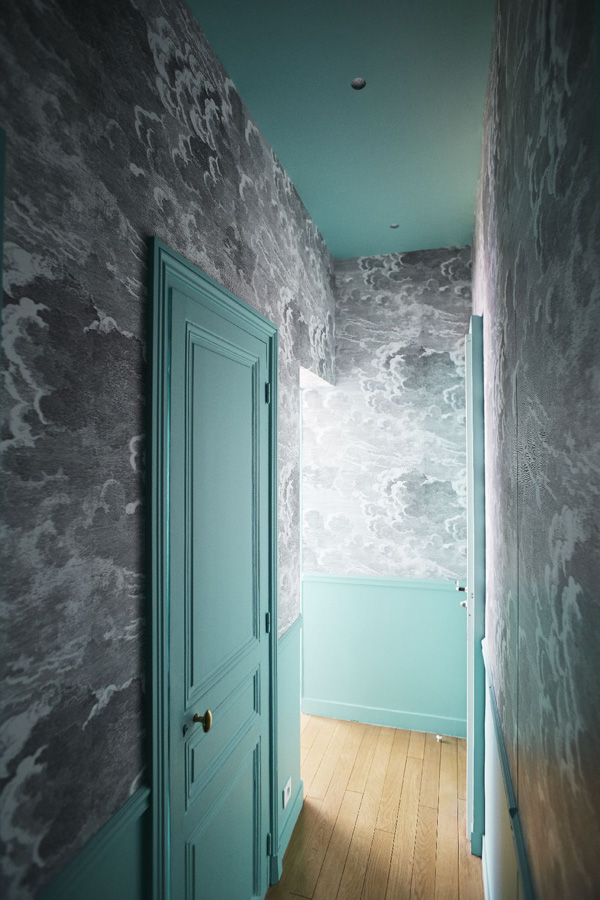
GCG Architectes from this post
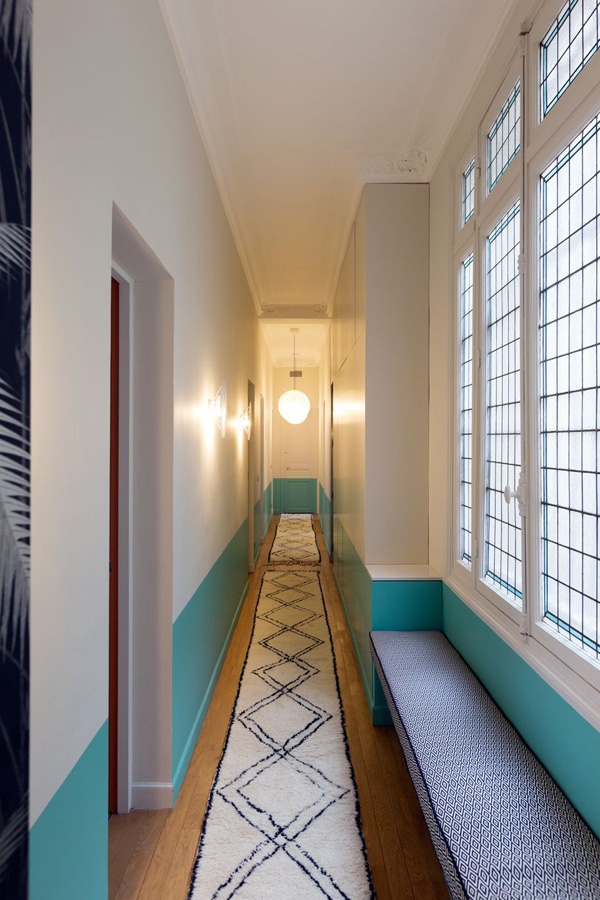
GCG Architectes from this post
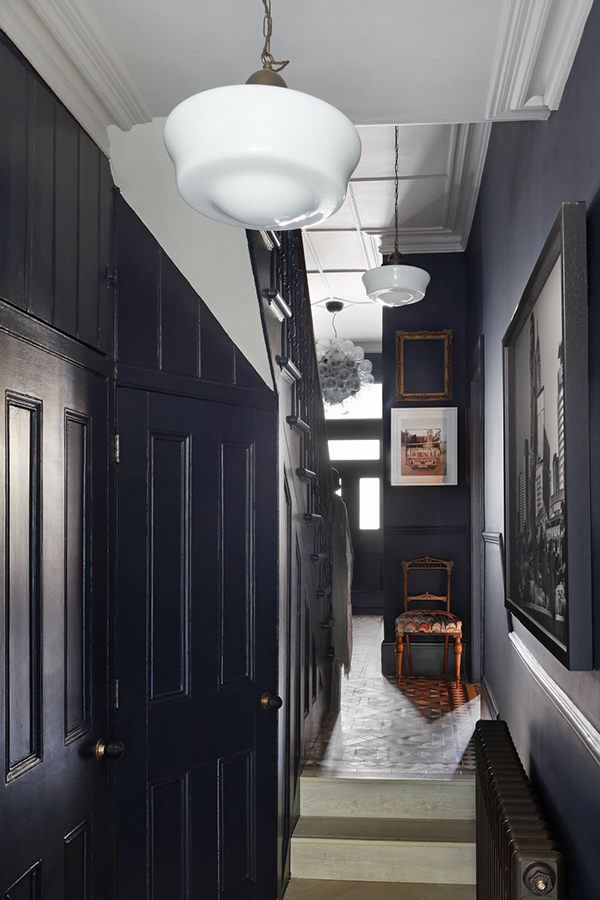
Studio Duggan from this post
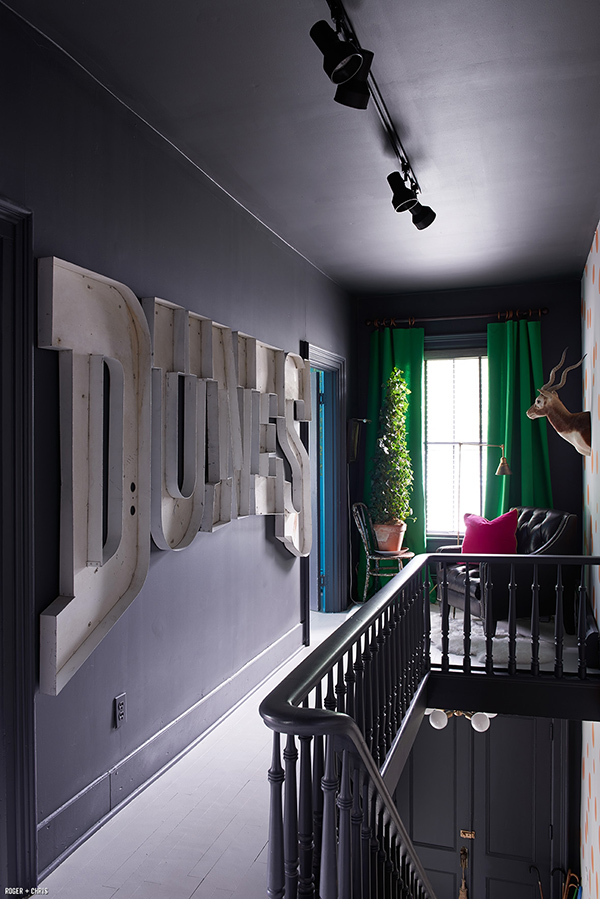
Roger + Chris from this post
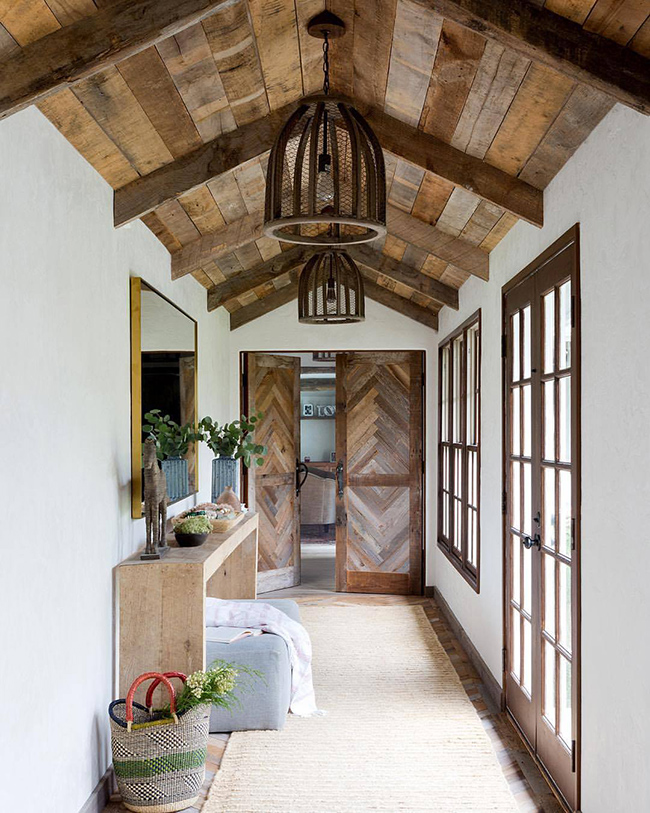
Kate Lester from this post
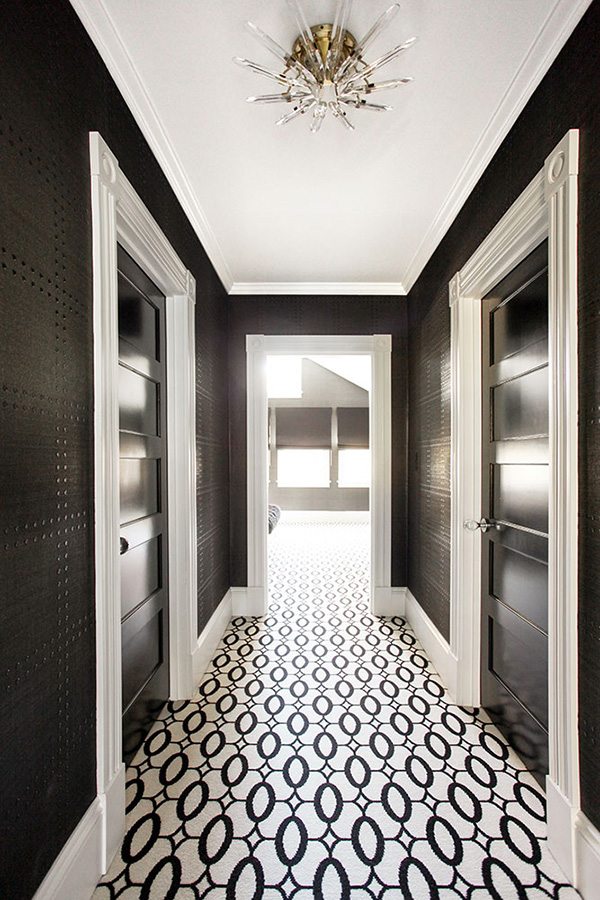
Michelle Gerson from this post
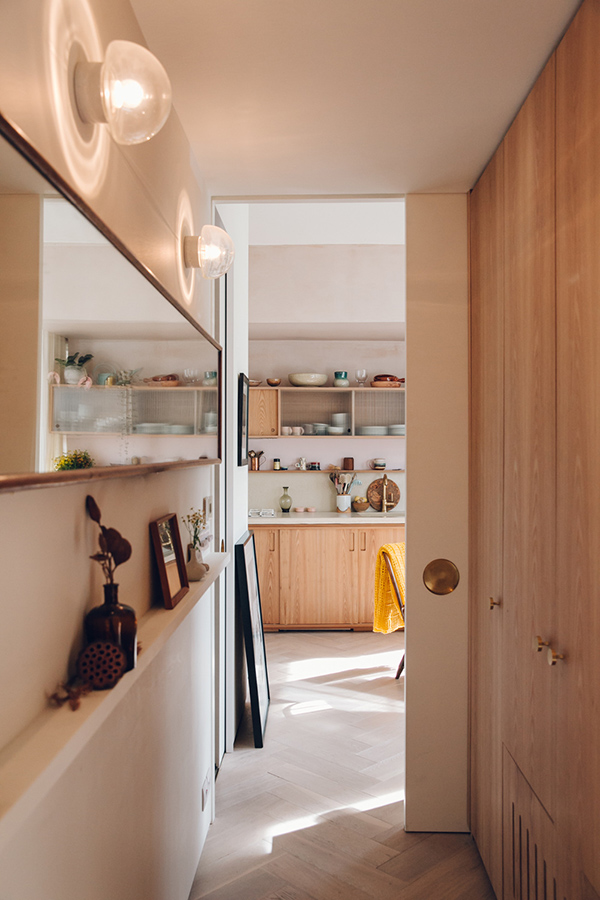
Bentley Hagen Hall from this post
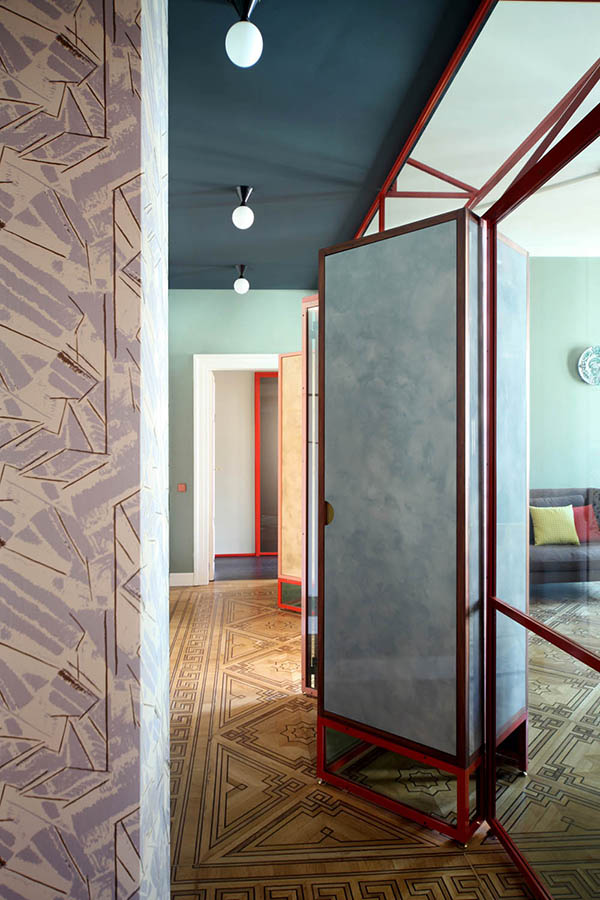
Marcante – Testa from this post
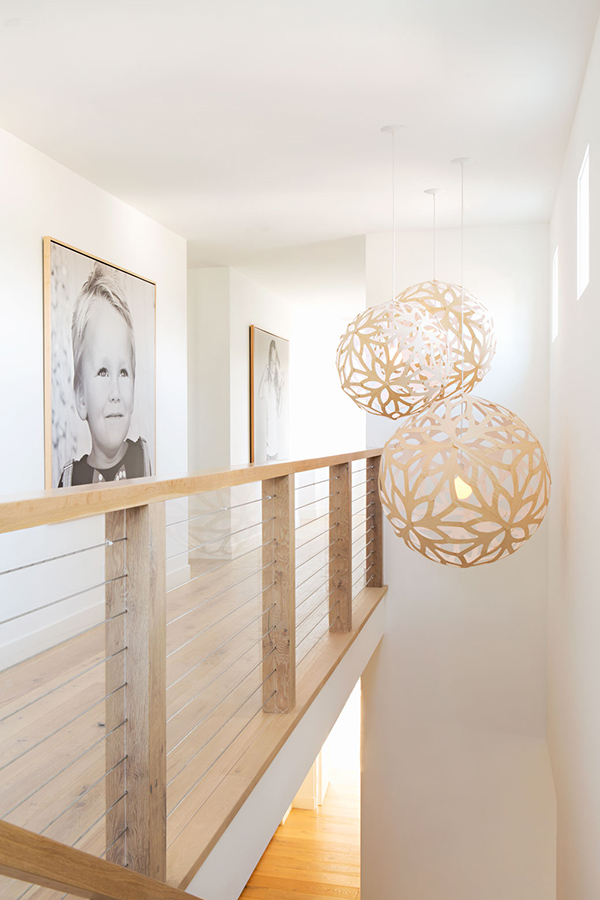
RailiCA design from this post
Kim’s favourite outdoor spaces 2017
Posted on Sat, 30 Dec 2017 by KiM
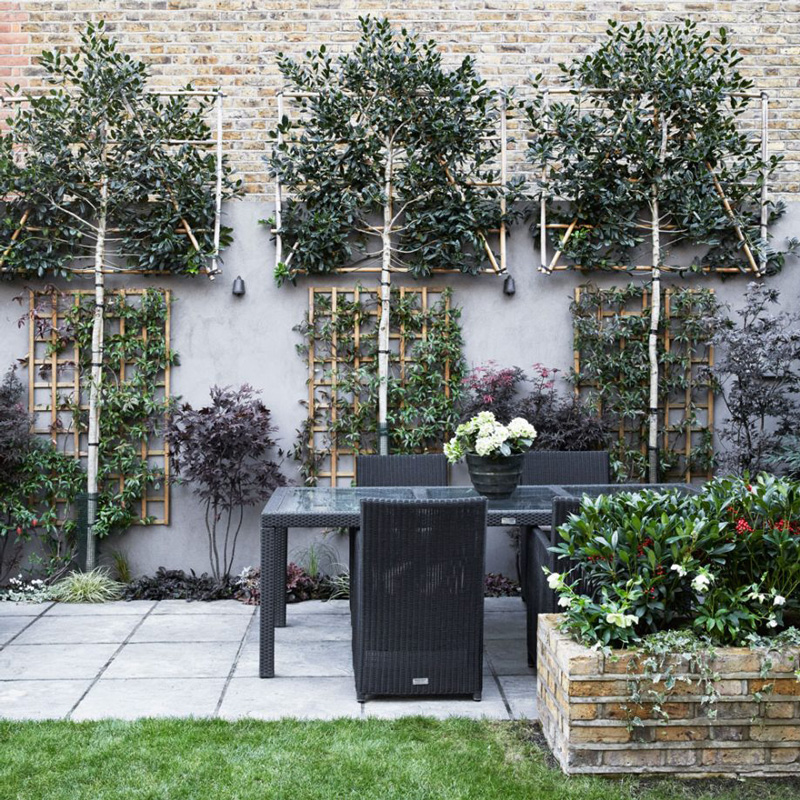
Homes & Gardens from this post
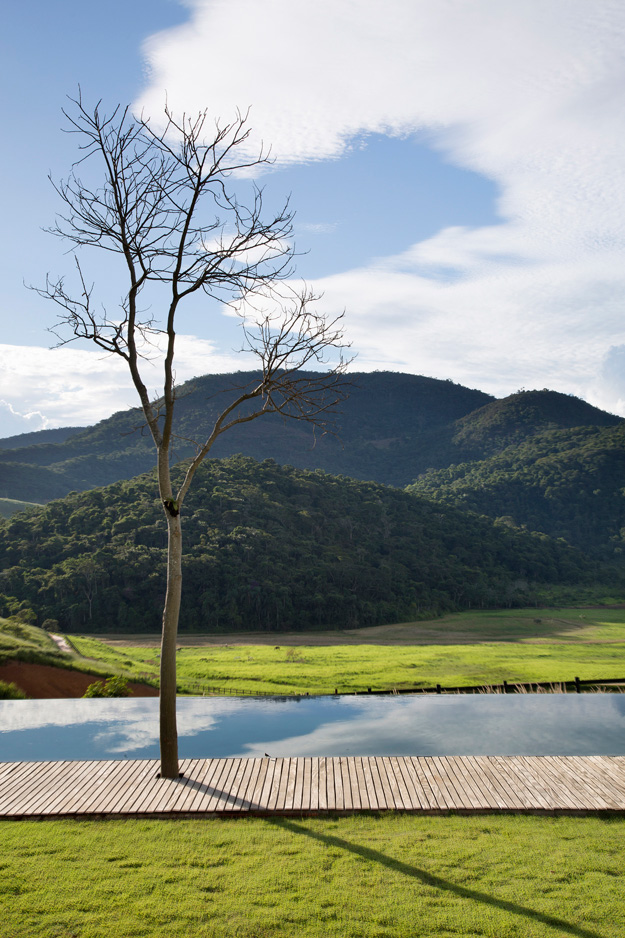
Gisele Taranto from this post
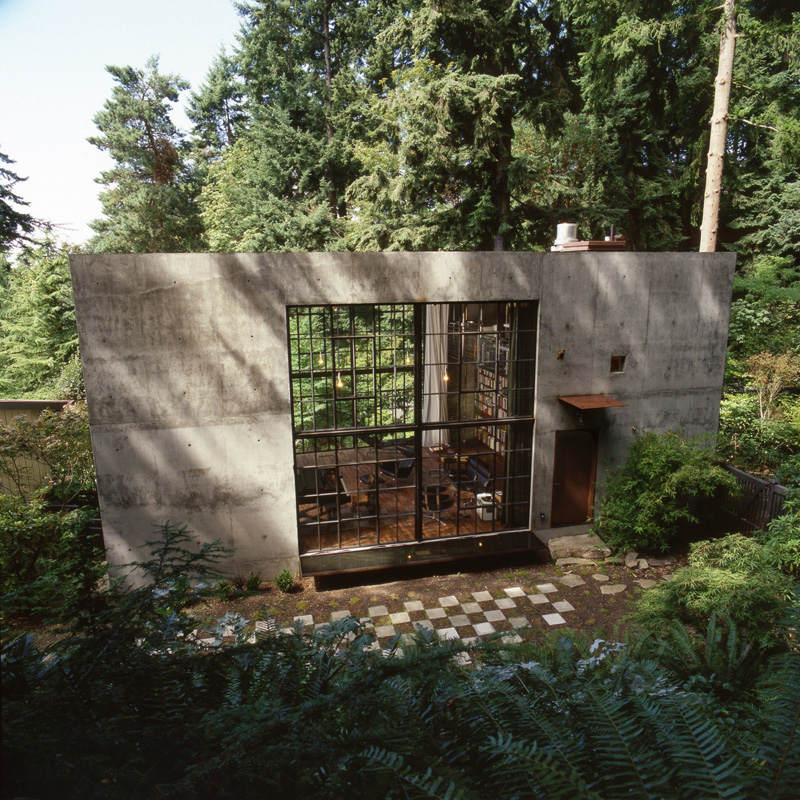
Olson Kundig from this post
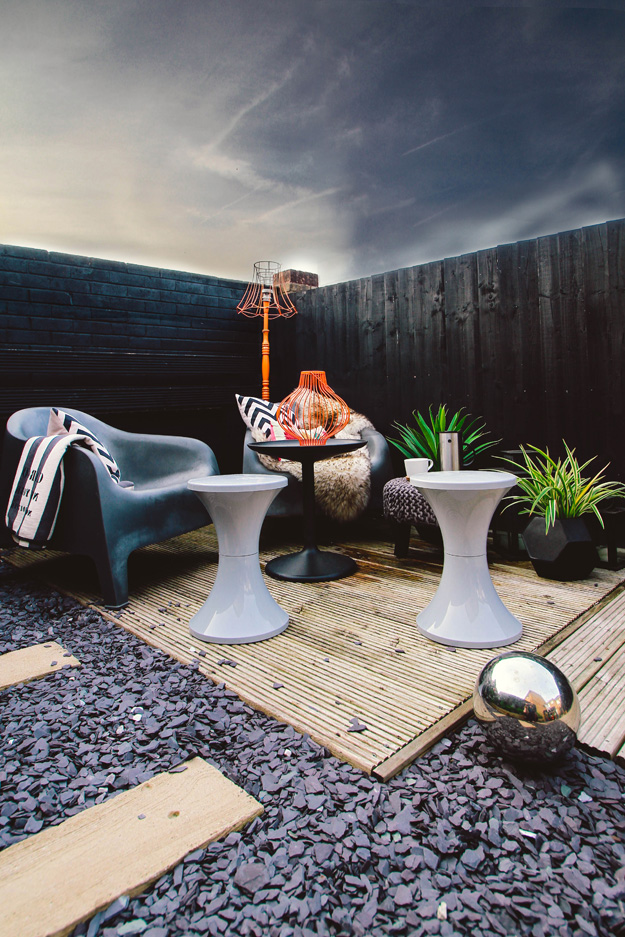
Pati Robins from this post
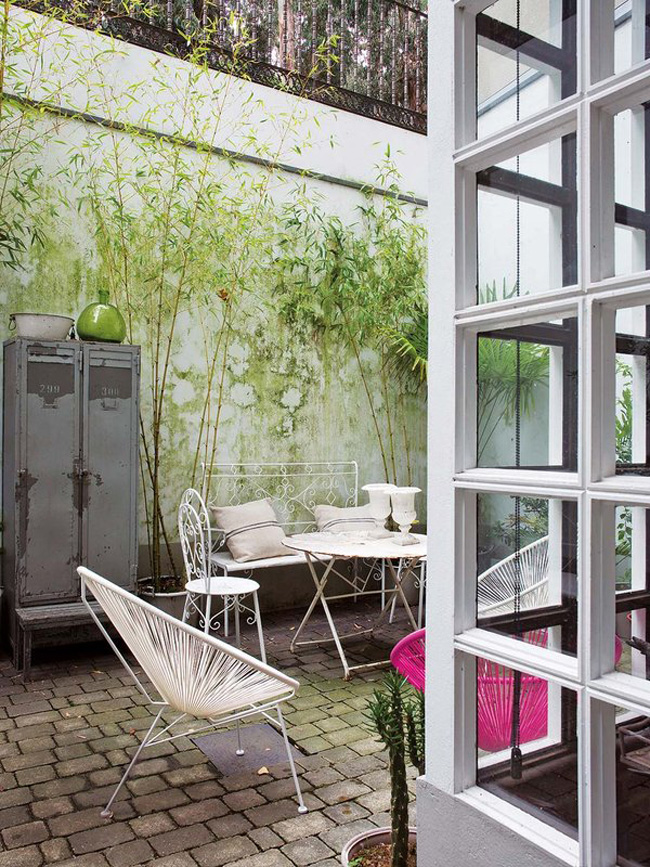
Ramisa Projects & Fun from this post
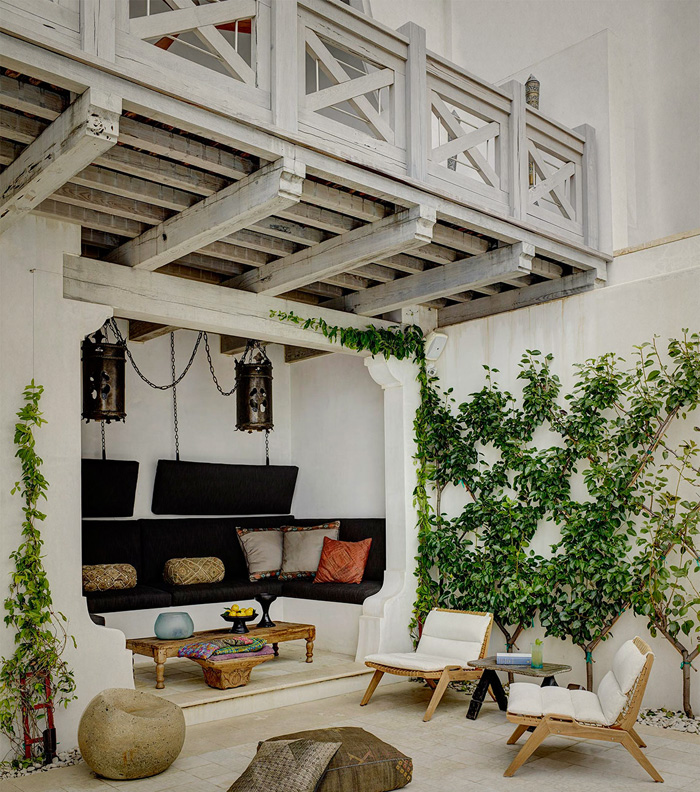
Michael G. Imber, Architects from this post
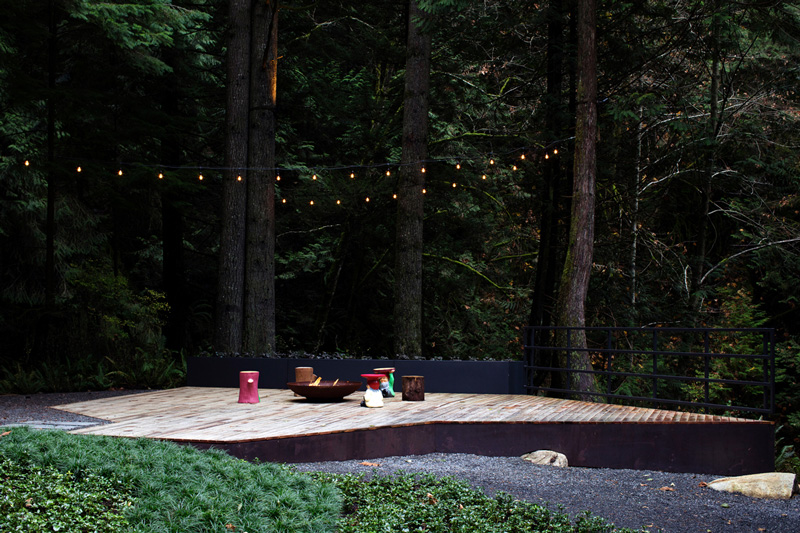
Considered Design Inc. from this post
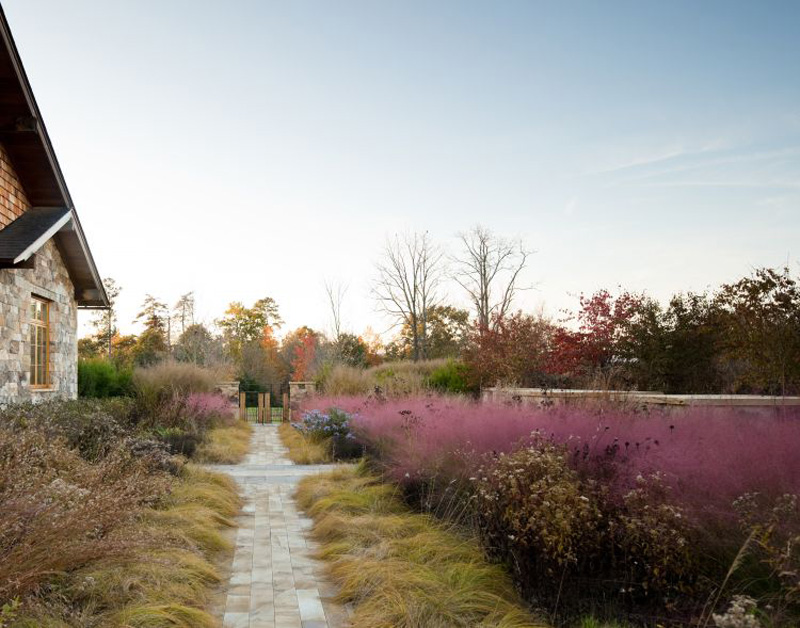
Nelson Byrd Woltz from this post
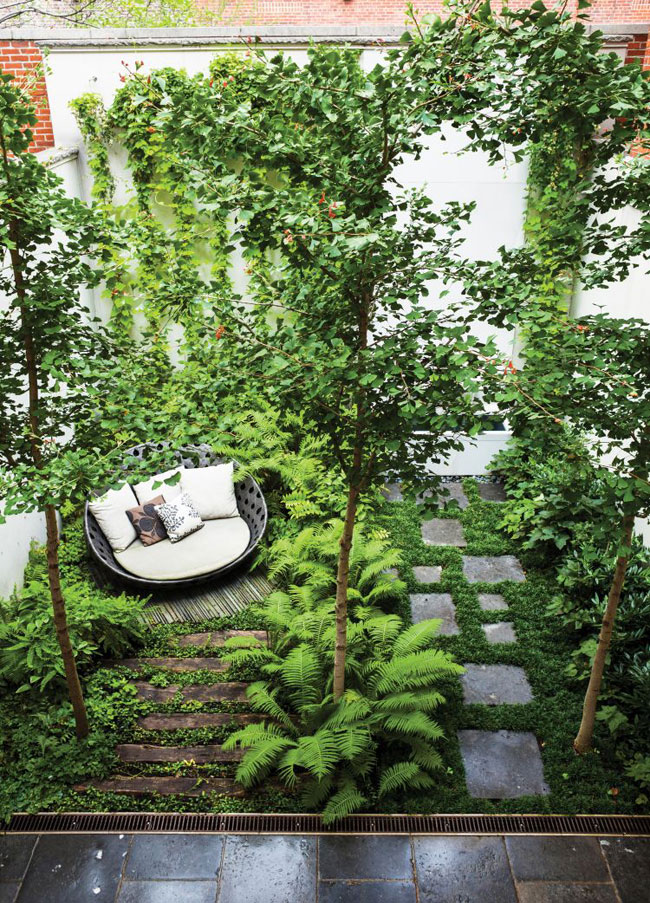
Nelson Byrd Woltz from this post
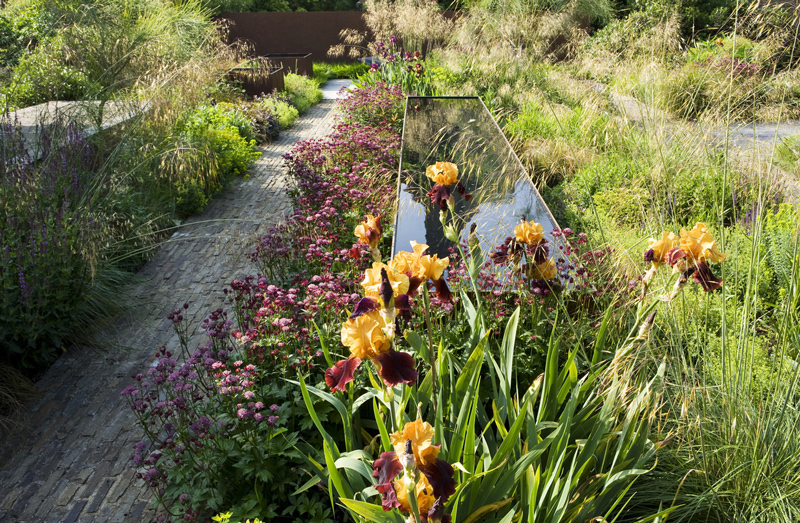
Tom Stuart-Smith from this post
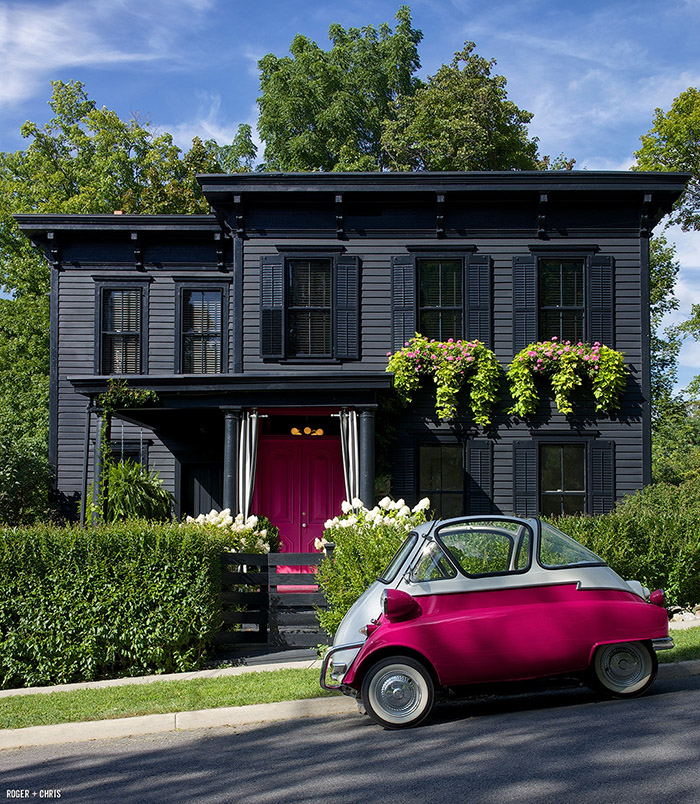
Roger + Chris from this post
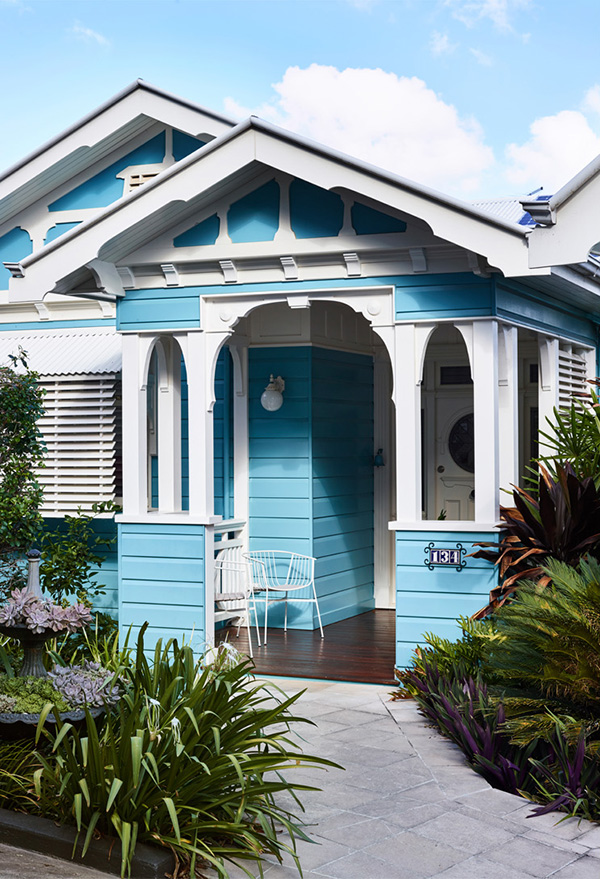
Claire Stevens from this post
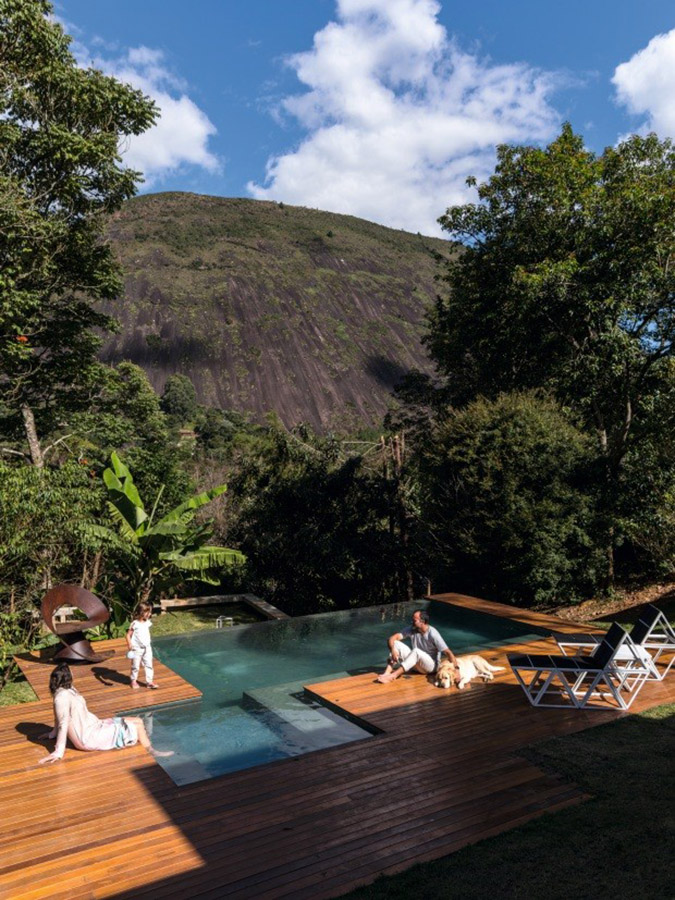
Casa Vogue Brazil from this post
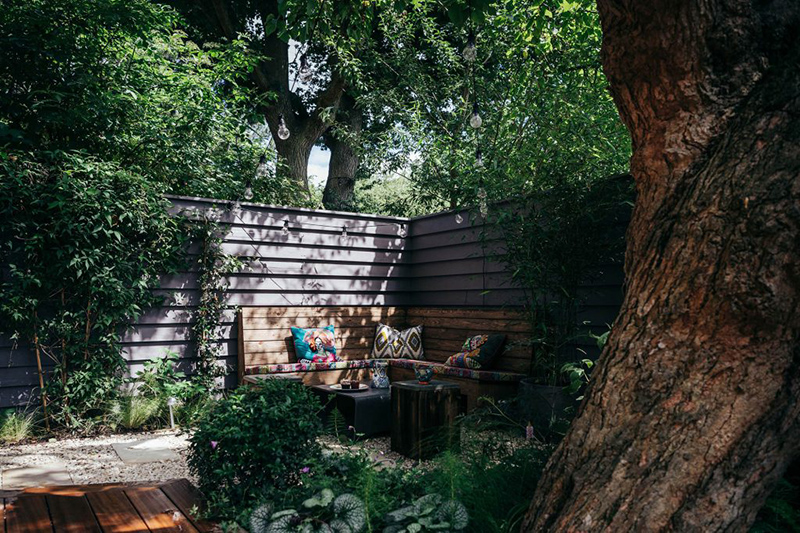
Mad Cow Interiors from this post
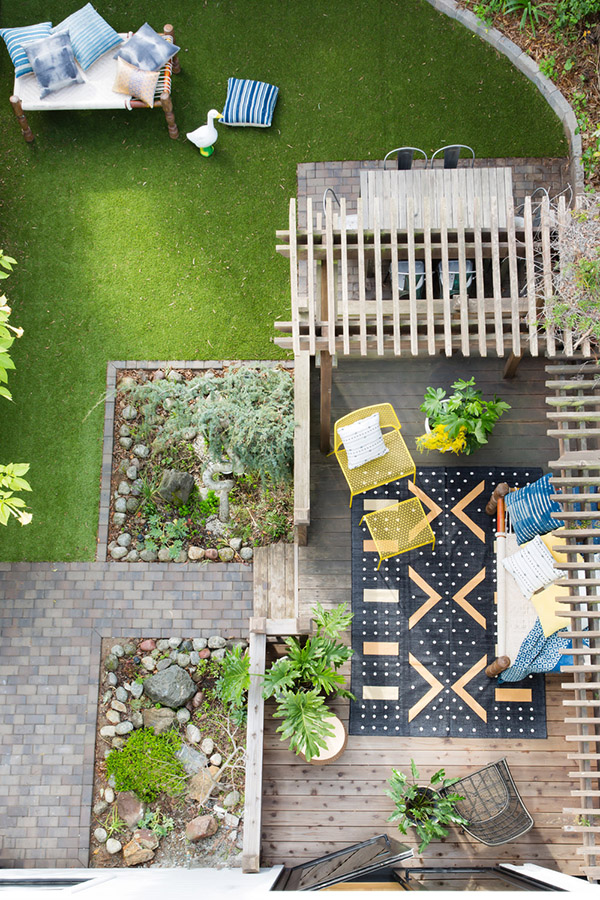
Regan Baker from this post
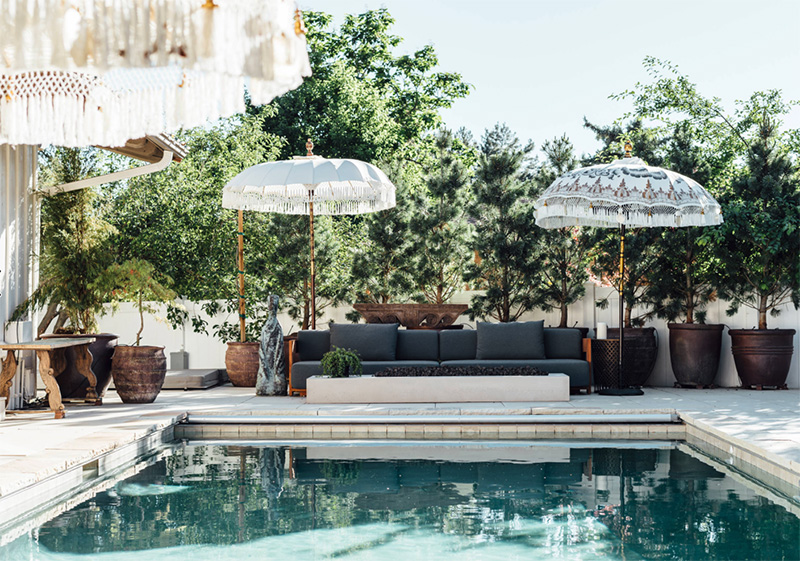
cityhomeCOLLECTIVE from this post
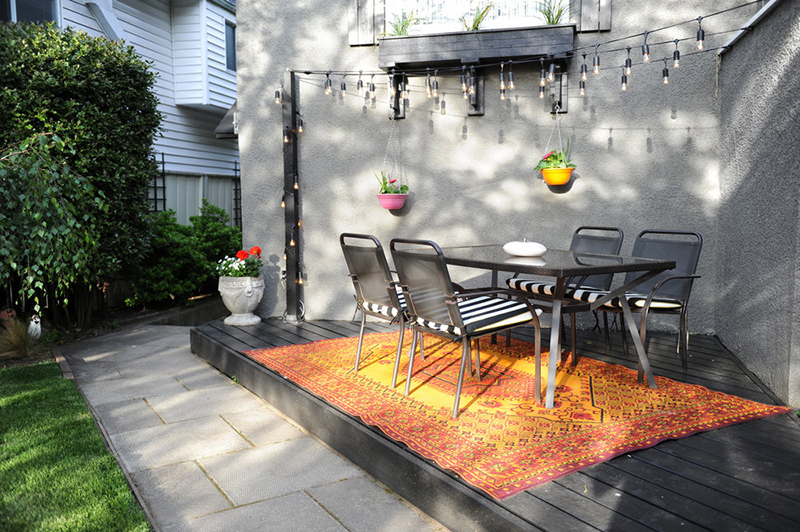
Jennifer Scott from this post
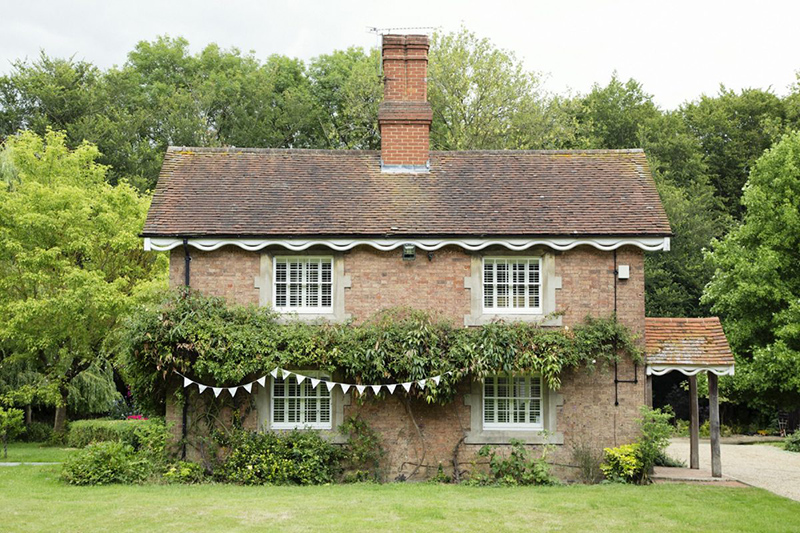
Shoot Factory from this post
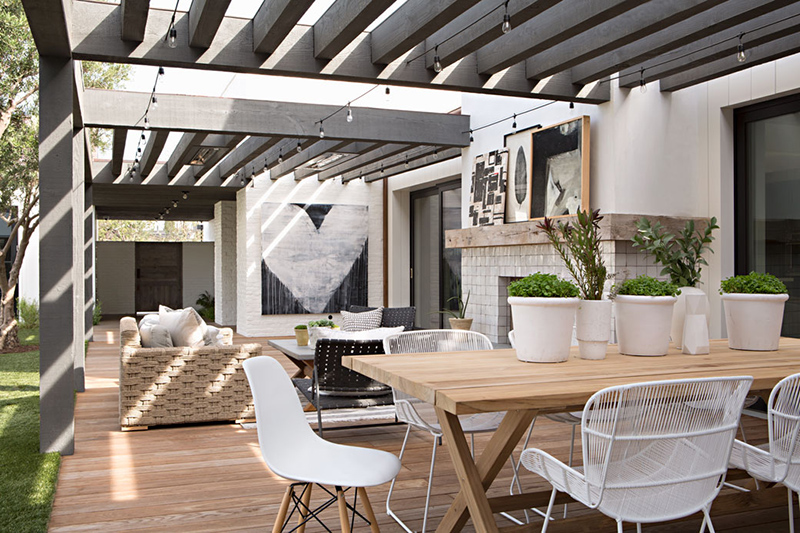
RailiCA design from this post
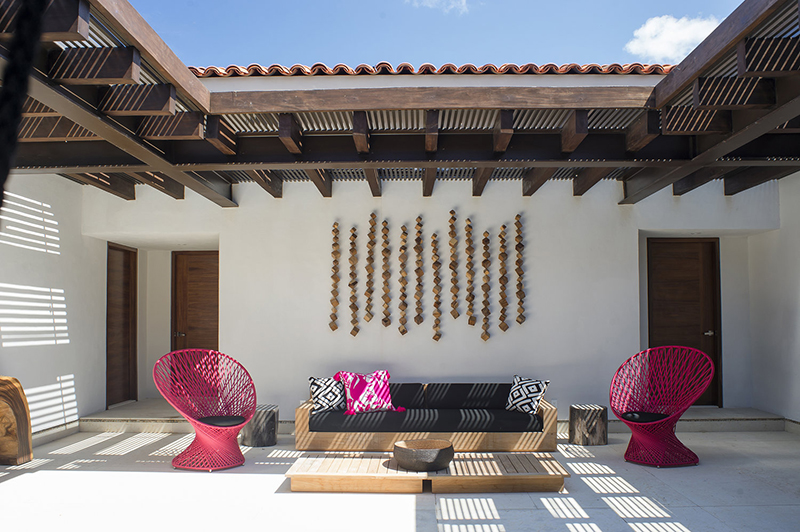
Hana Waxman from this post
Kim’s favourite workspaces 2017
Posted on Sat, 30 Dec 2017 by KiM
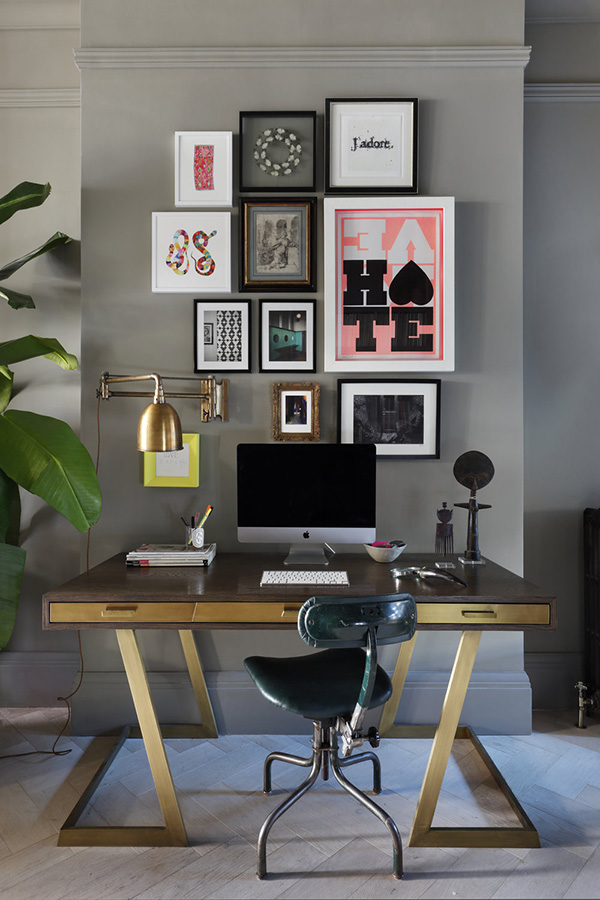
Studio Duggan from this post
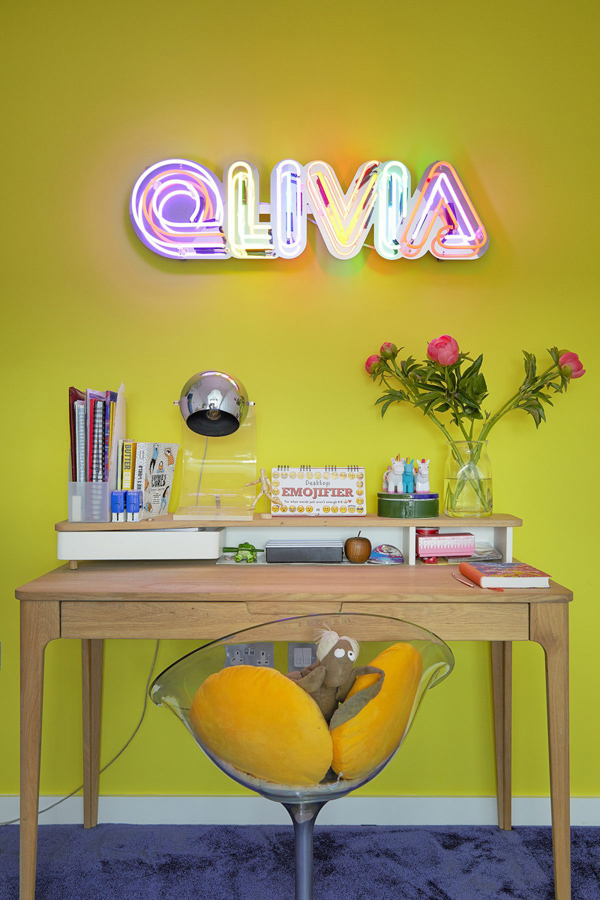
Shoot Factory from this post
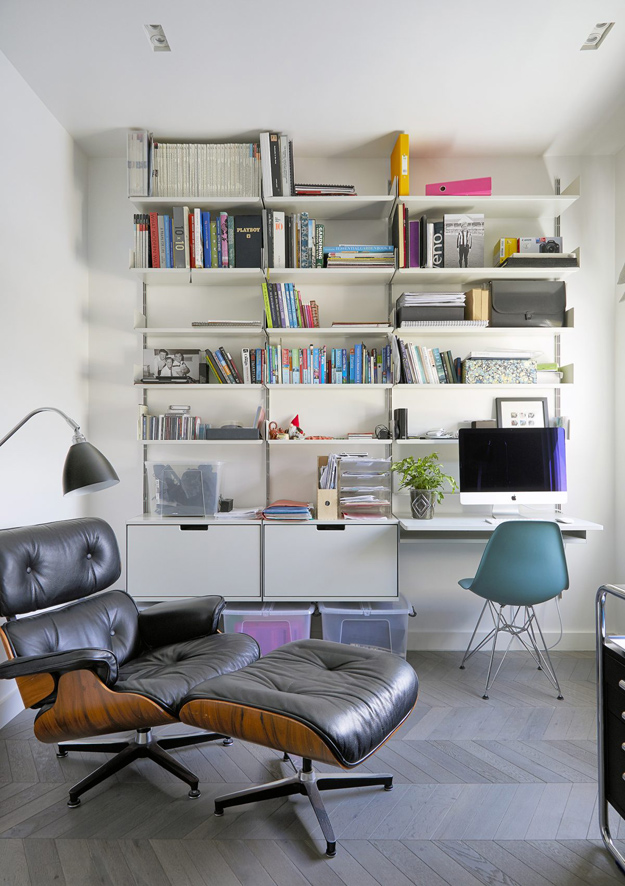
Shoot Factory from this post
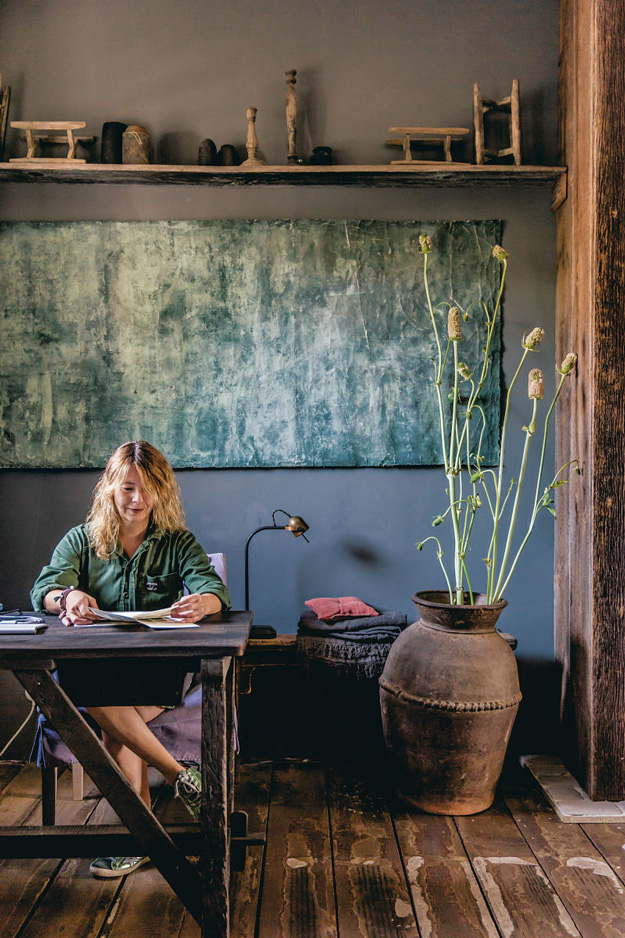
MilK Decoration and Architectural Digest Gemany from this post
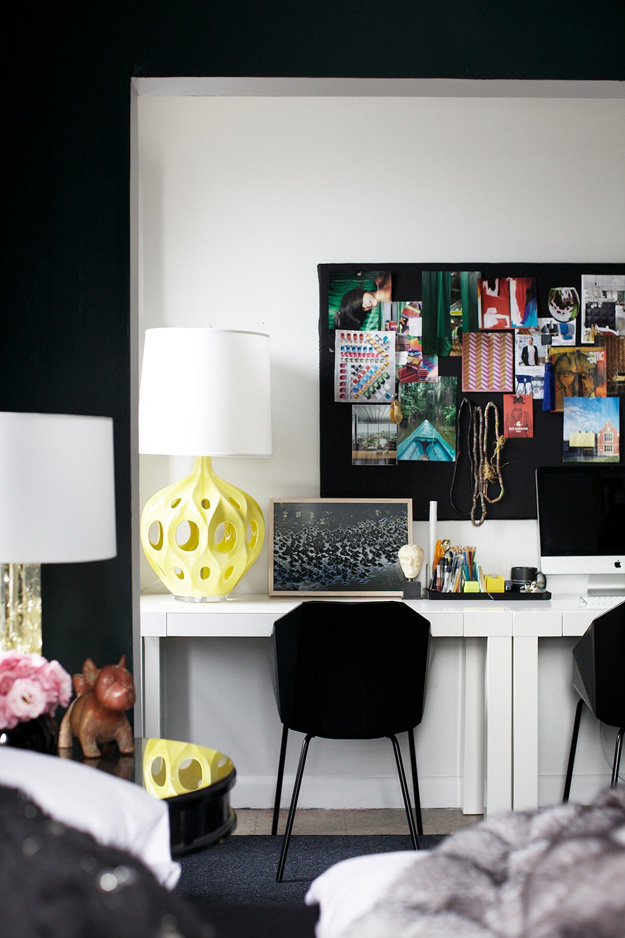
Anthony George from this post
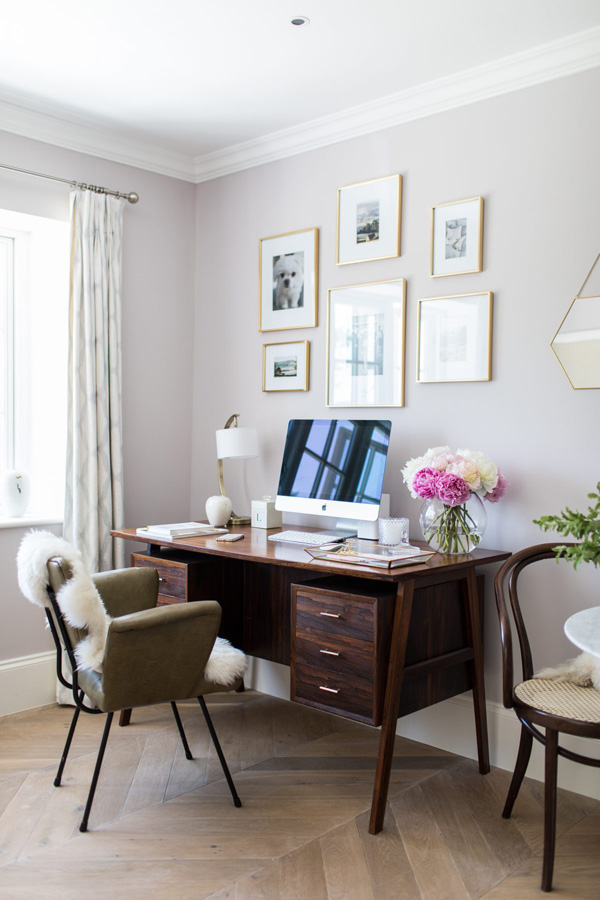
Shoot Factory + Laura Butler-Madden from this post
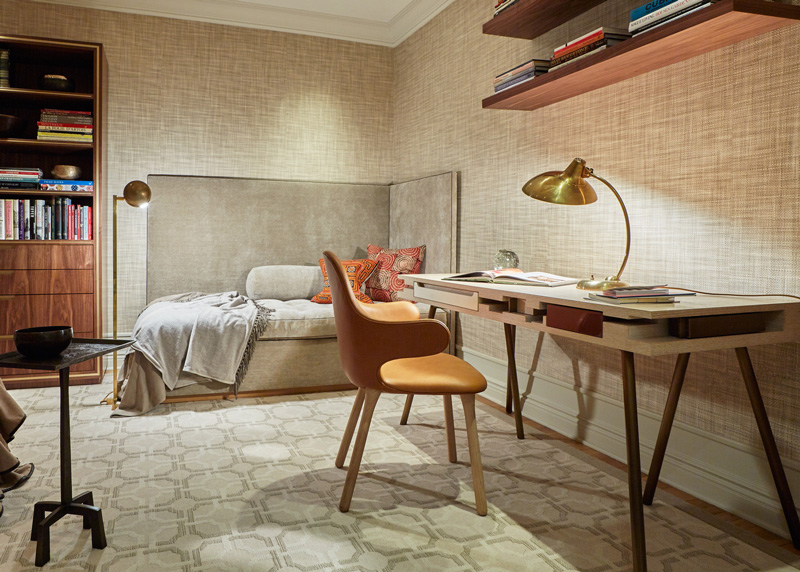
Alexander Doherty from this post
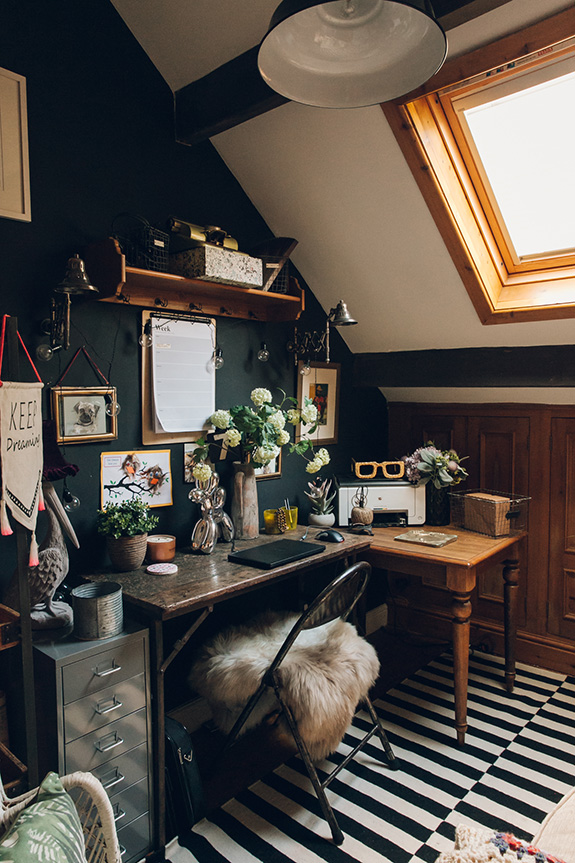
The Girl with the Green Sofa from this post
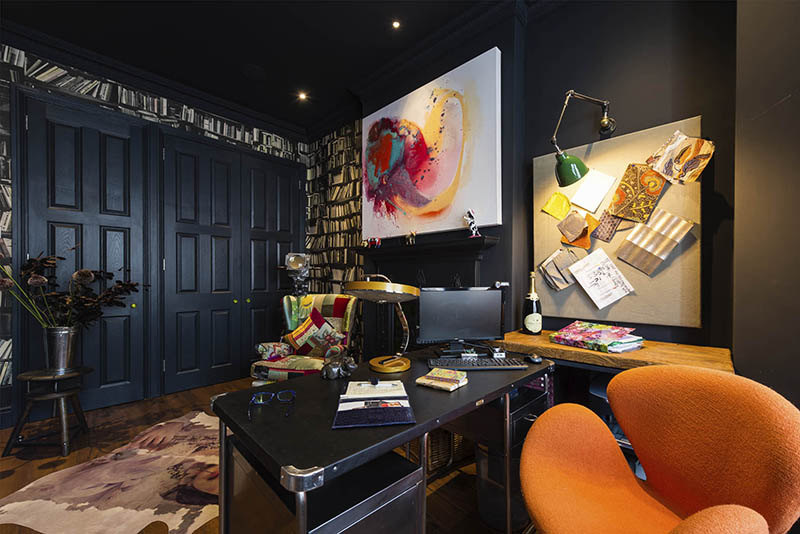
Mad Cow Interiors from this post
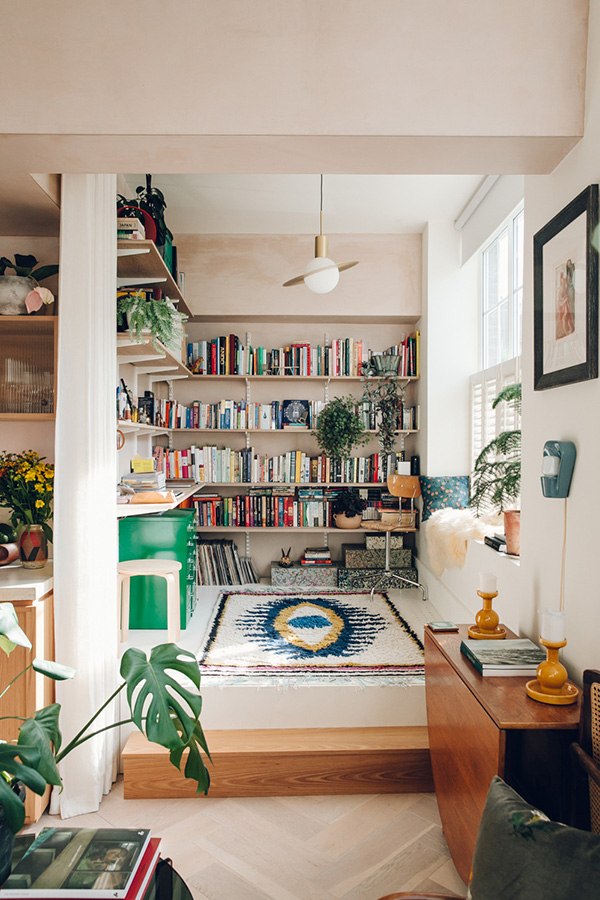
Bentley Hagen Hall from this post

Regan Baker from this post

Jaimee Rose from this post
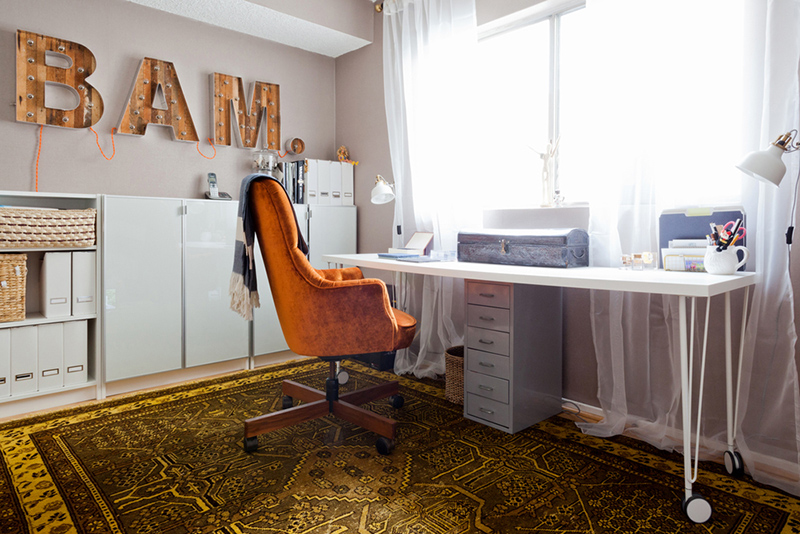
Barbie Palomino from this post
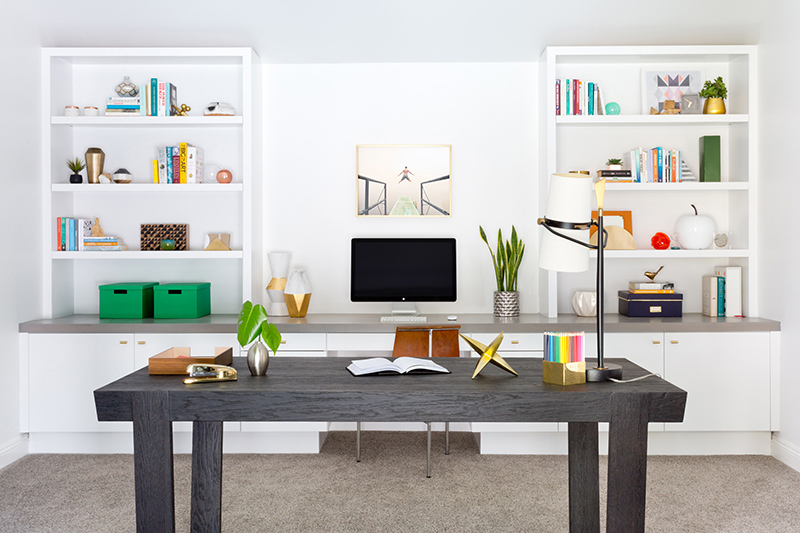
AE Designs from this post