Displaying posts labeled "Support"
New books in my mailbox as of late – part 2
Posted on Wed, 10 Dec 2025 by KiM

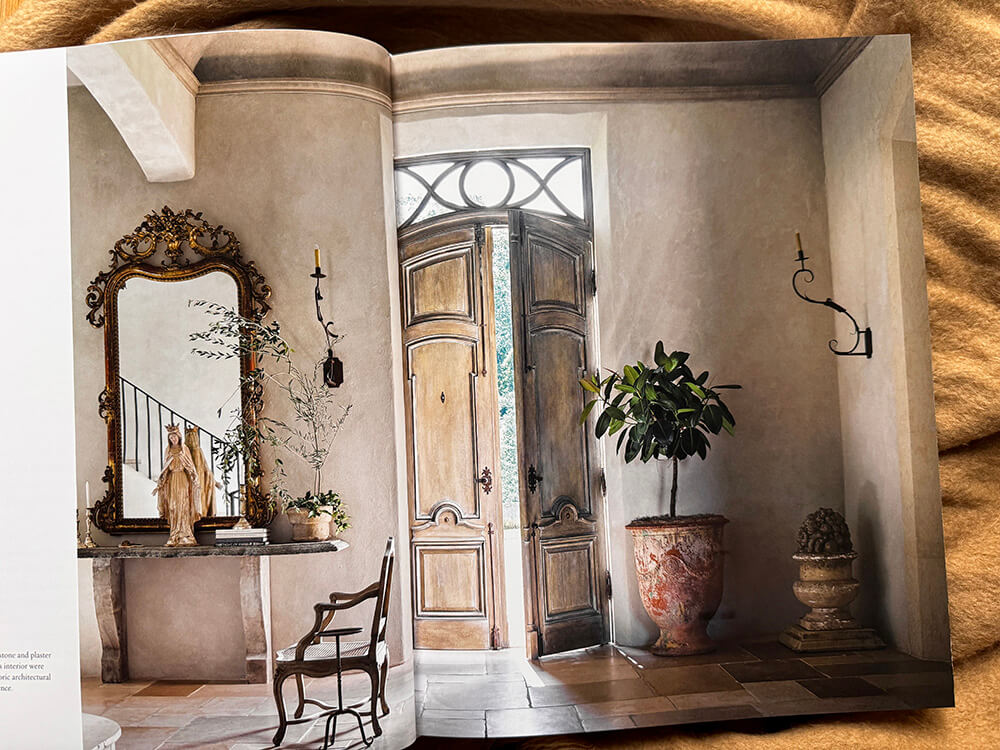
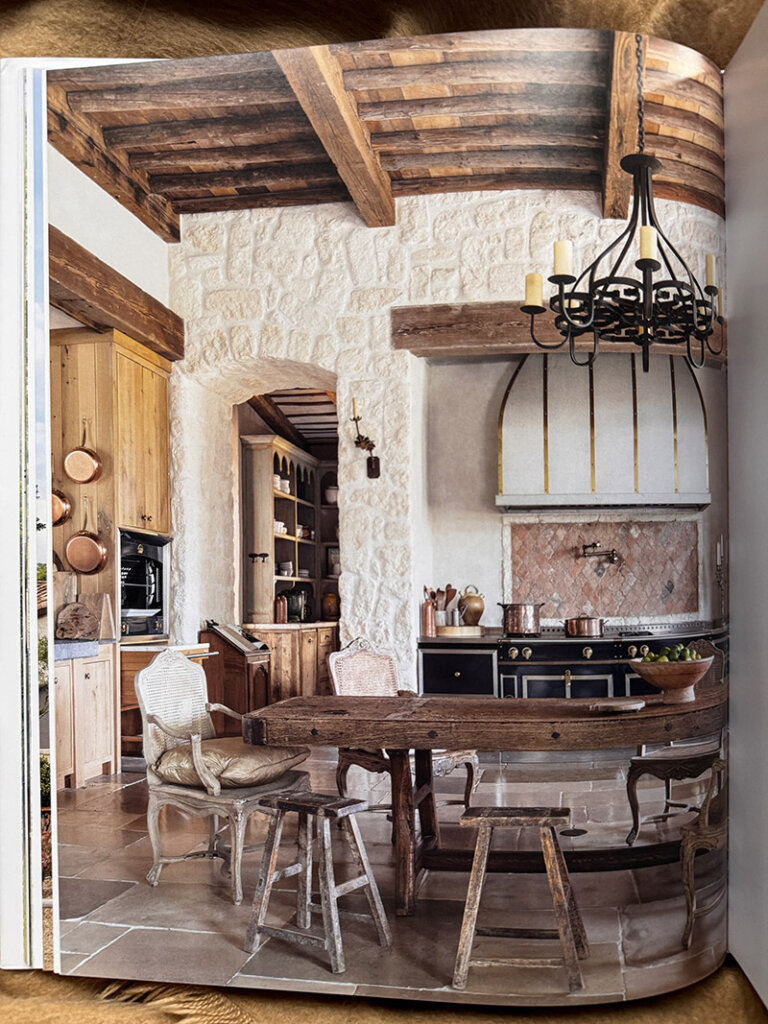
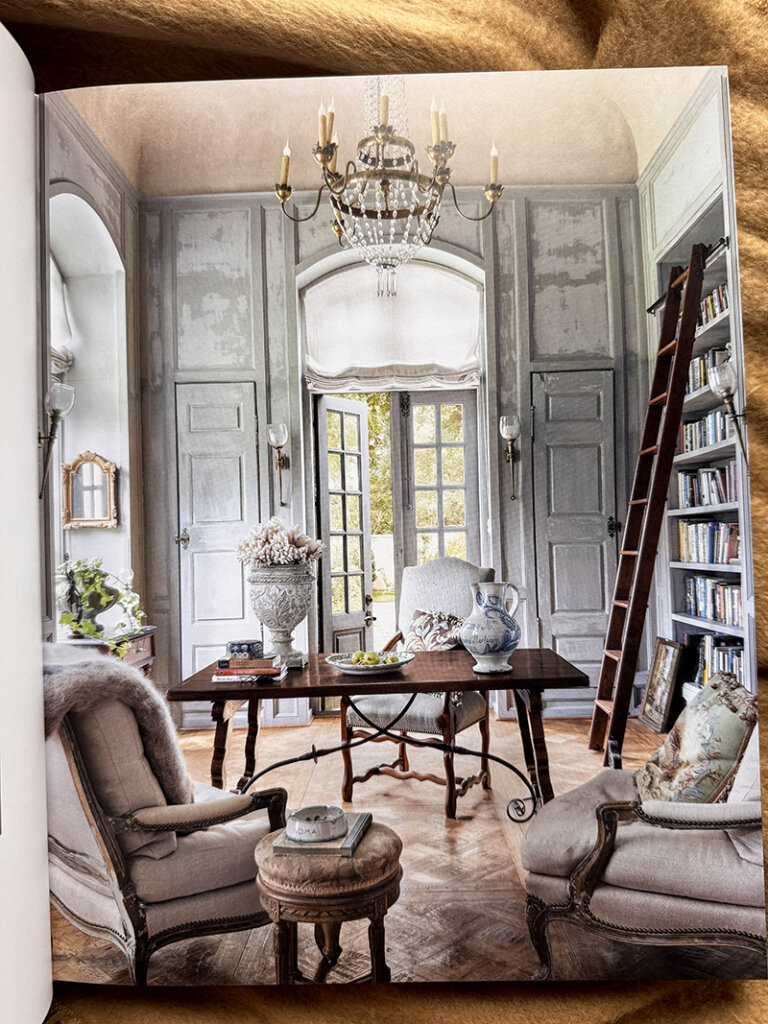
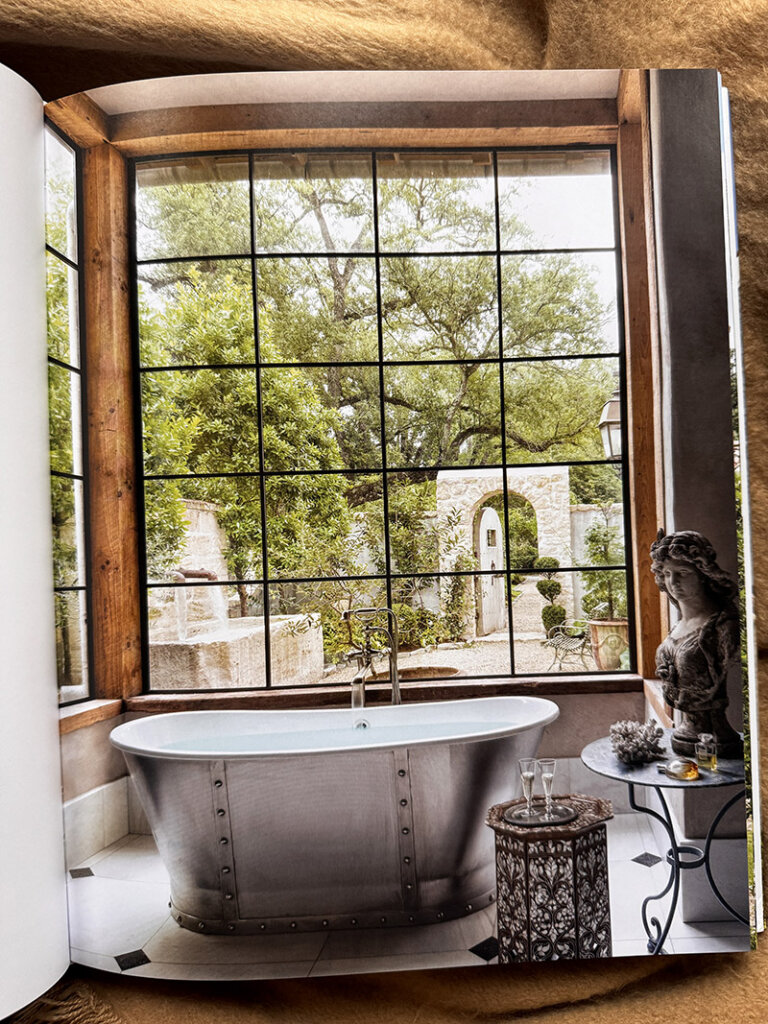
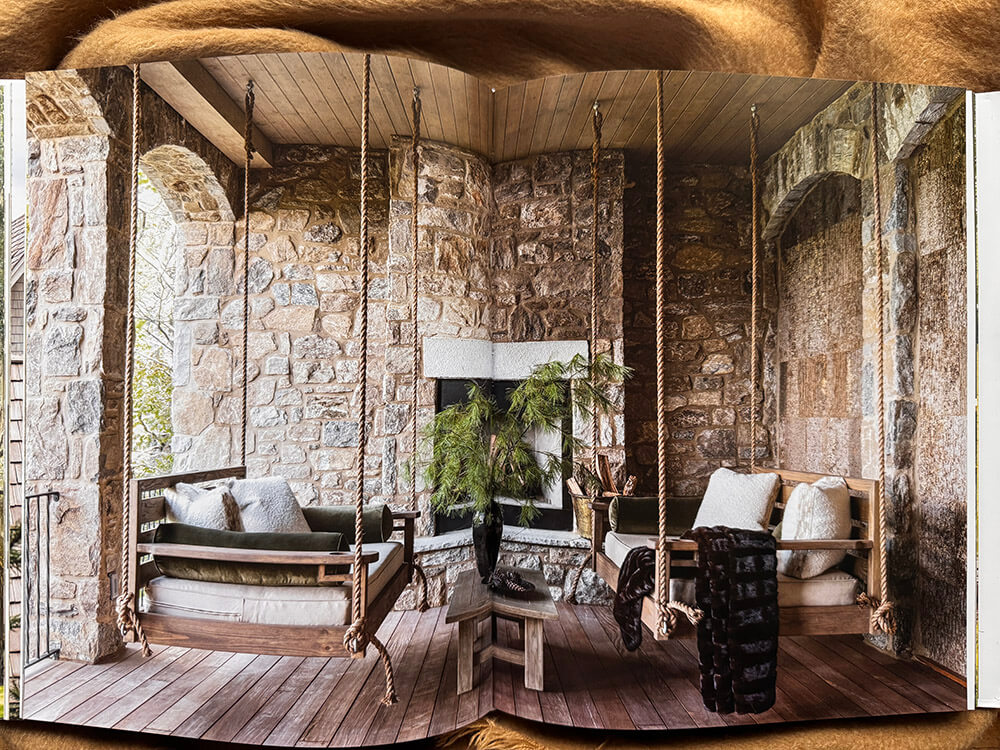
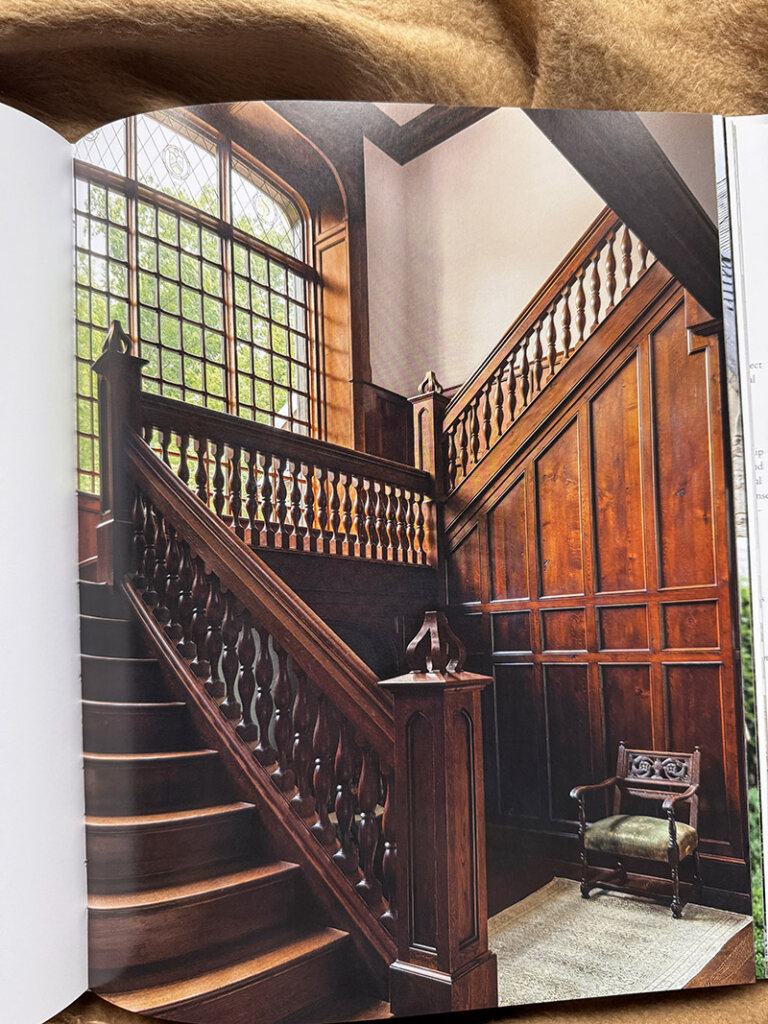
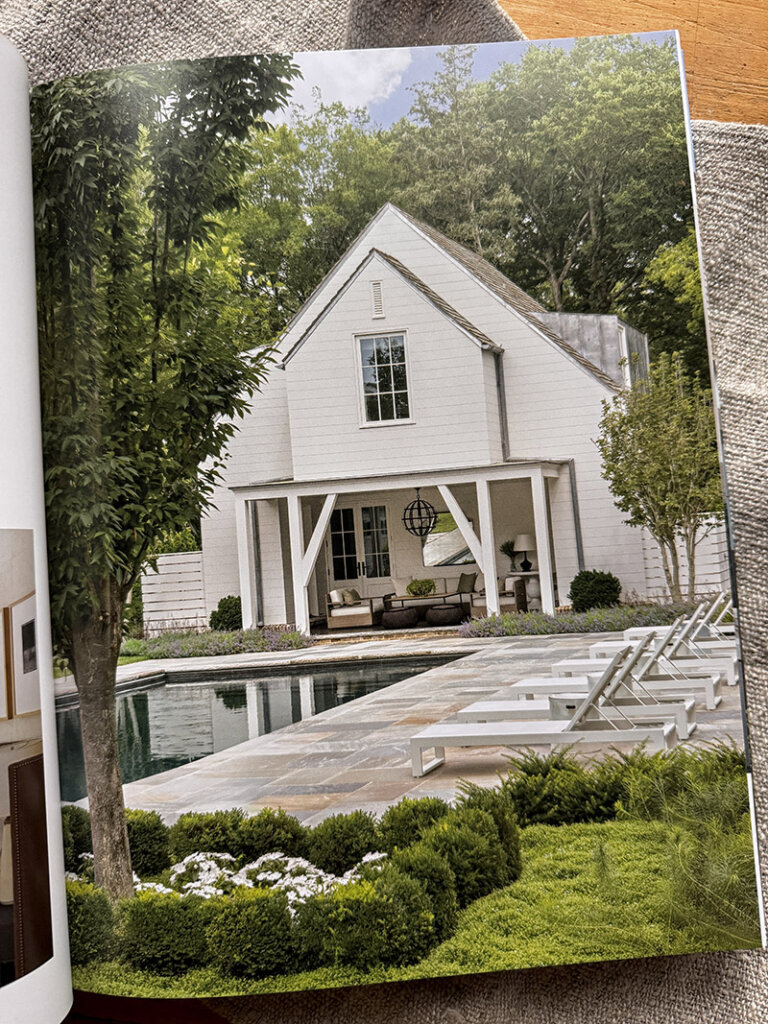
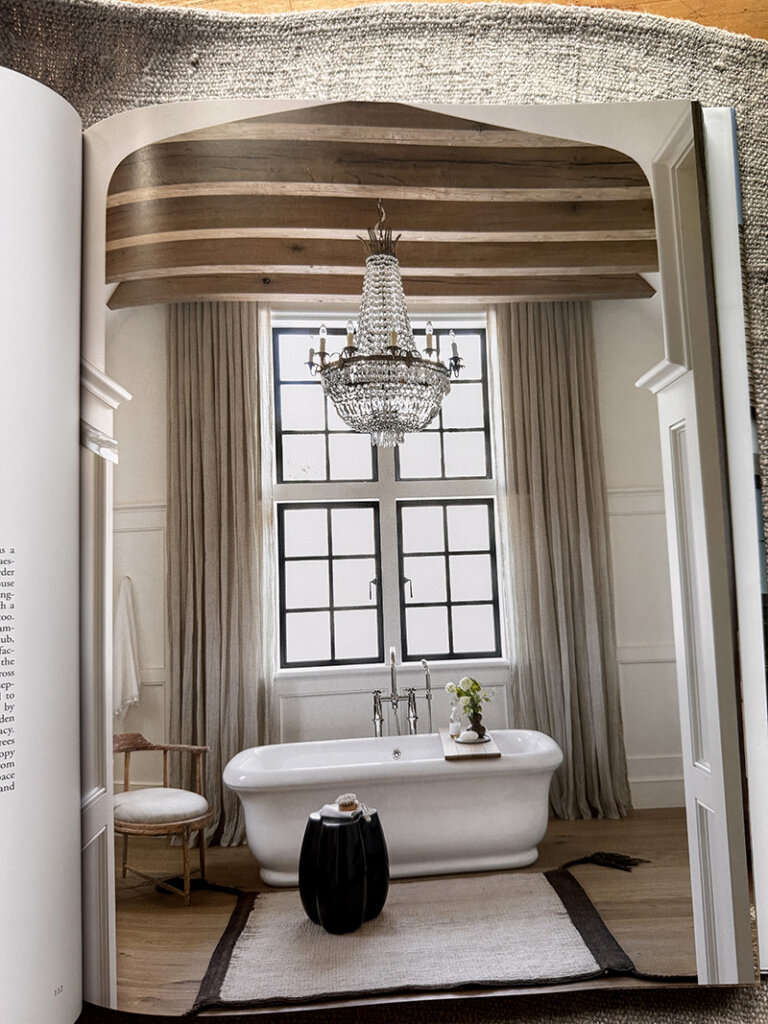
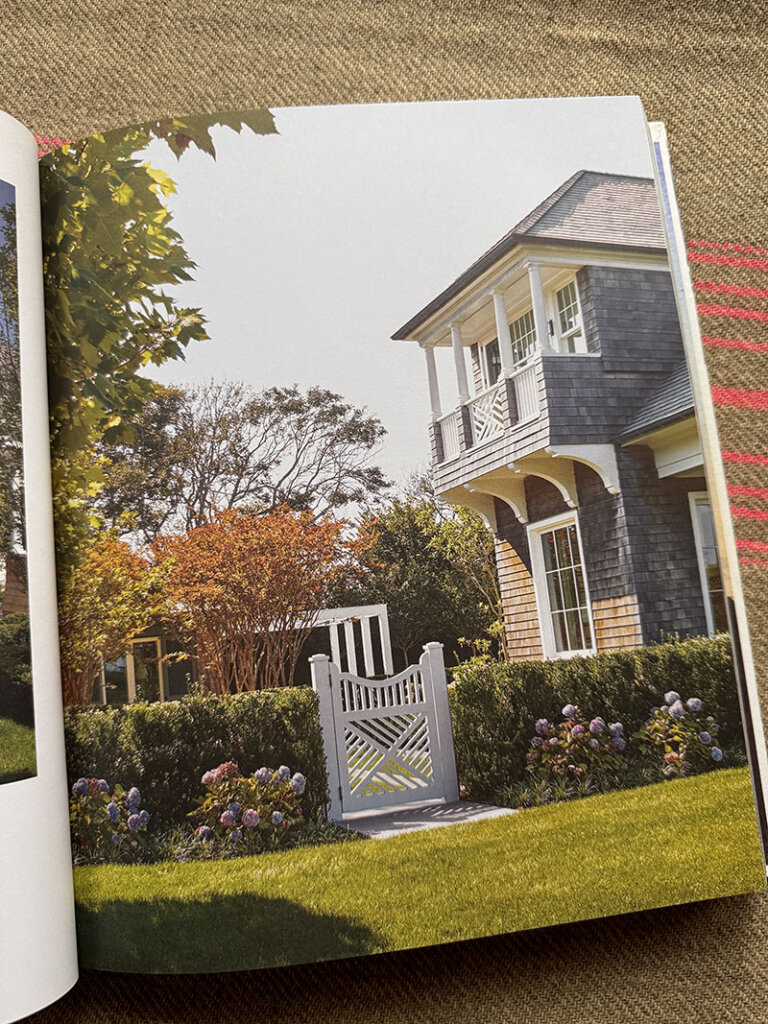
I was floored by how fabulous the homes featured in this book are and that we have never featured work by architect Timothy S. Adams before and that I had never heard of his firm. Buy Tradition Made New: Houses with a Sense of Soul and History (published by Rizzoli) immediately and thank me later.
The first book by architect Adams features houses that embody the resonance of tradition, the authenticity of craftsmanship, and the lasting beauty of natural materials. Informed by Adams’s deep knowledge of historic precedents, proportions, and details, the homes featured in this book are imbued with soul, whether it’s a charming house in the woods on the lake, a refined contemporary beachside retreat, or a traditional manor house in town. While the homes featured range in scale and style— Tudor, Arts and Crafts, French country, Southern farmhouse—Adams imbues each with natural materials such as bespoke architectural details in millwork and molding, arched doorways, and oversized windows. These are houses that are grounded in the past, designed for the present, and intended to remain beautiful and functional over the long term.
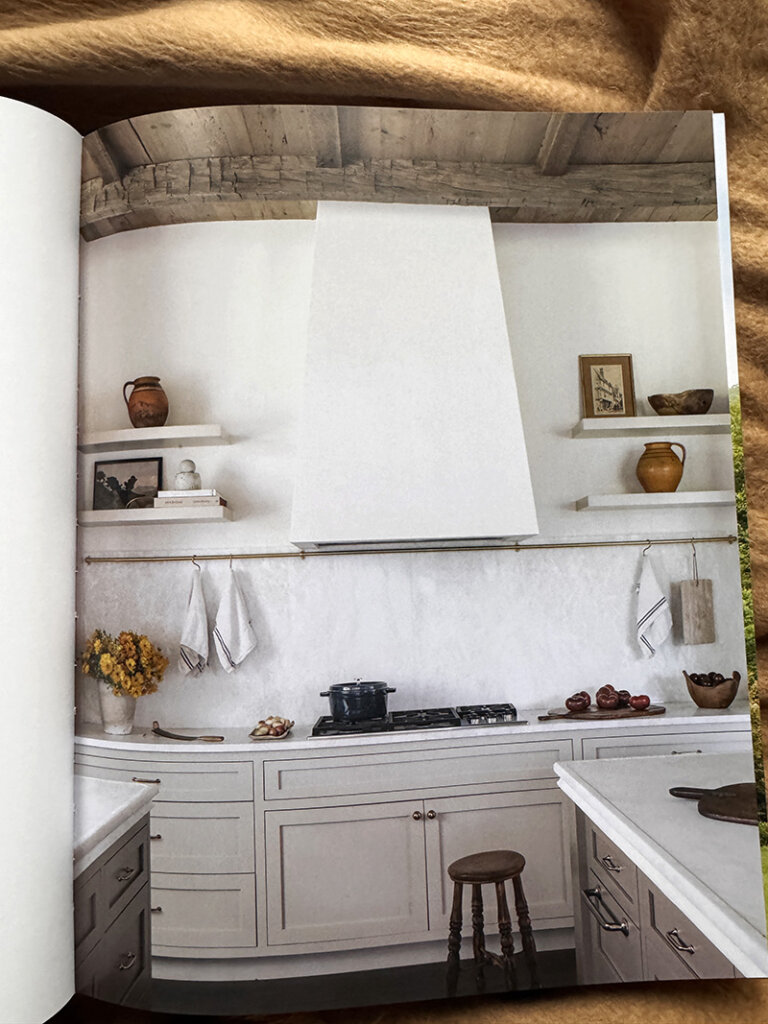
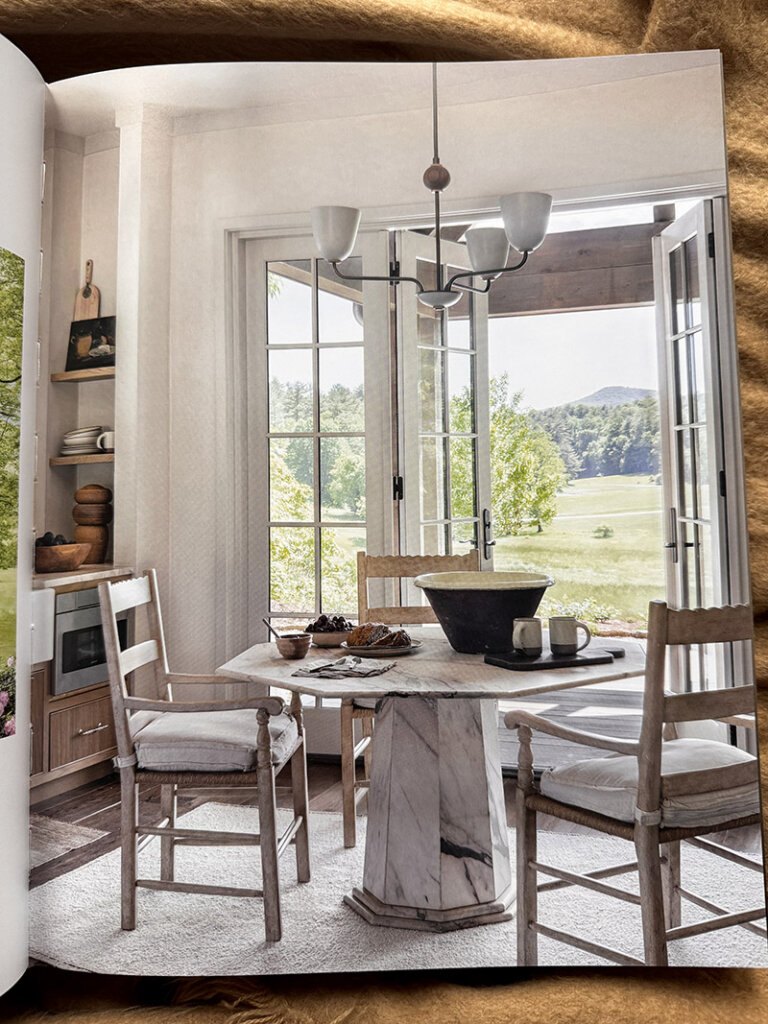
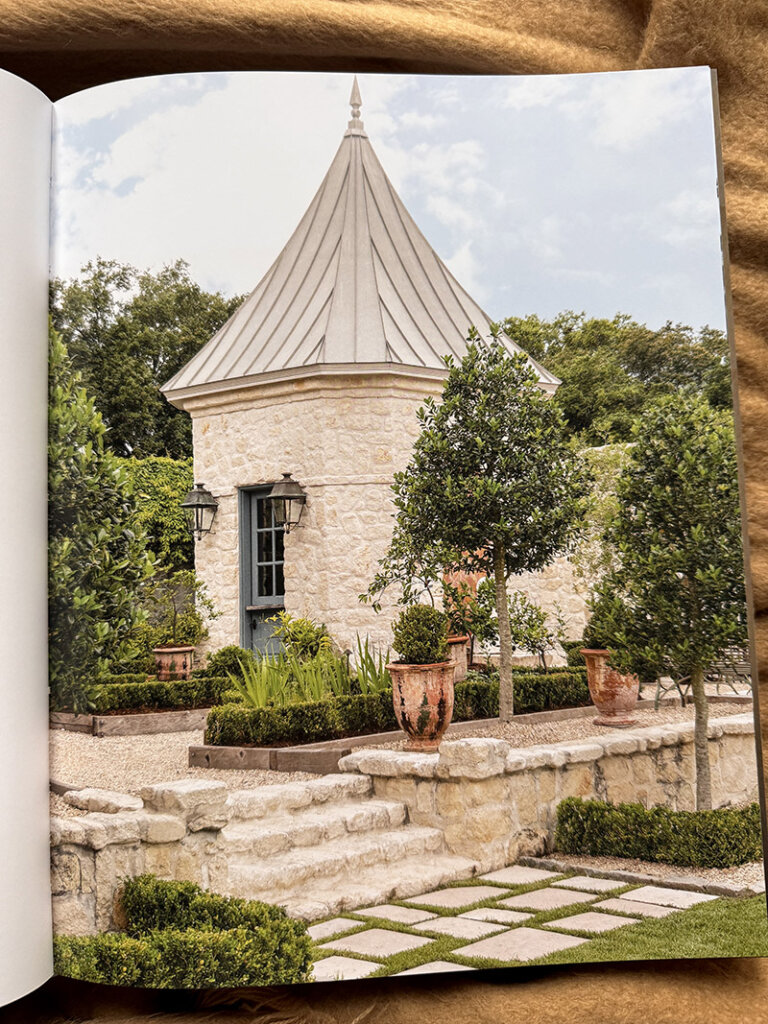
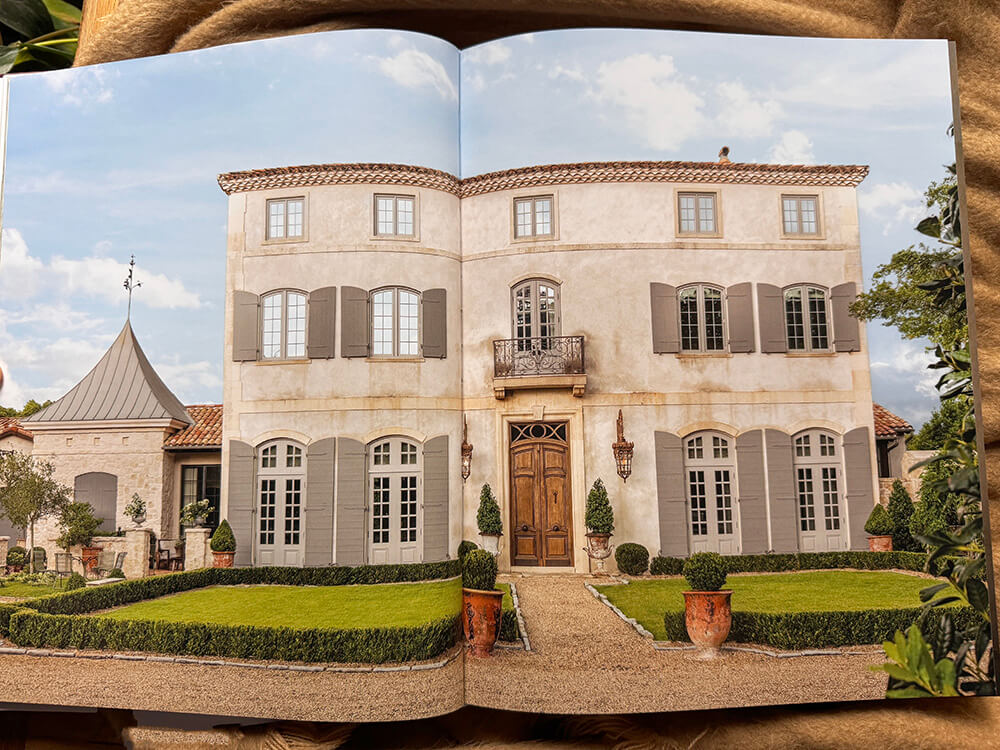
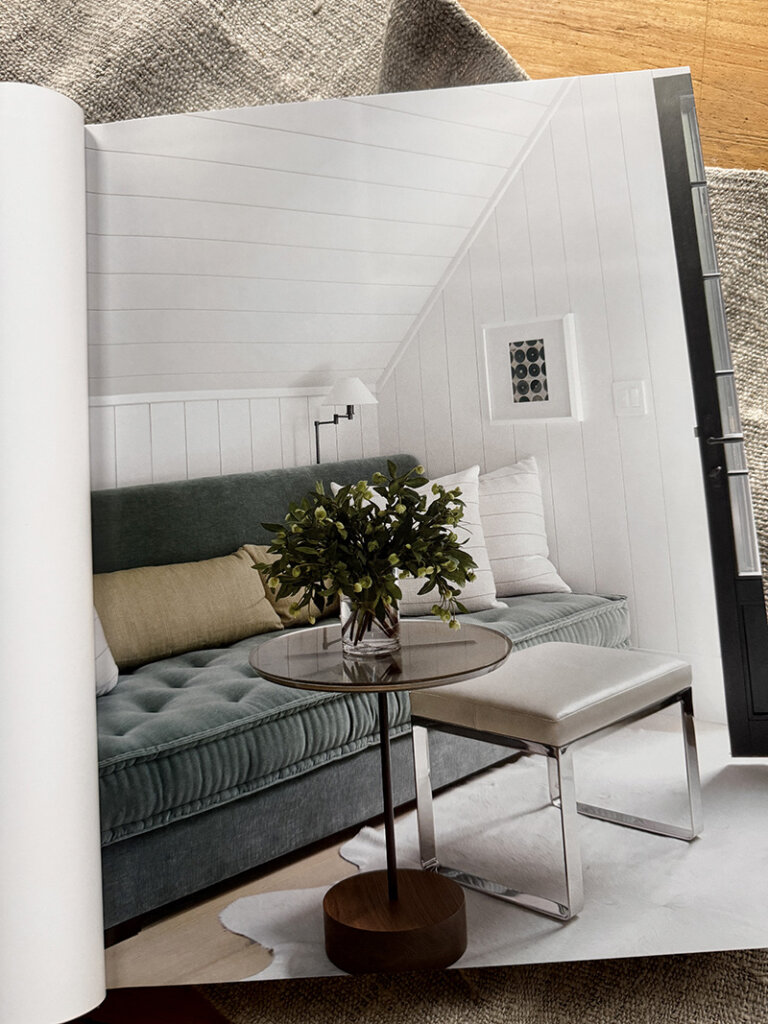
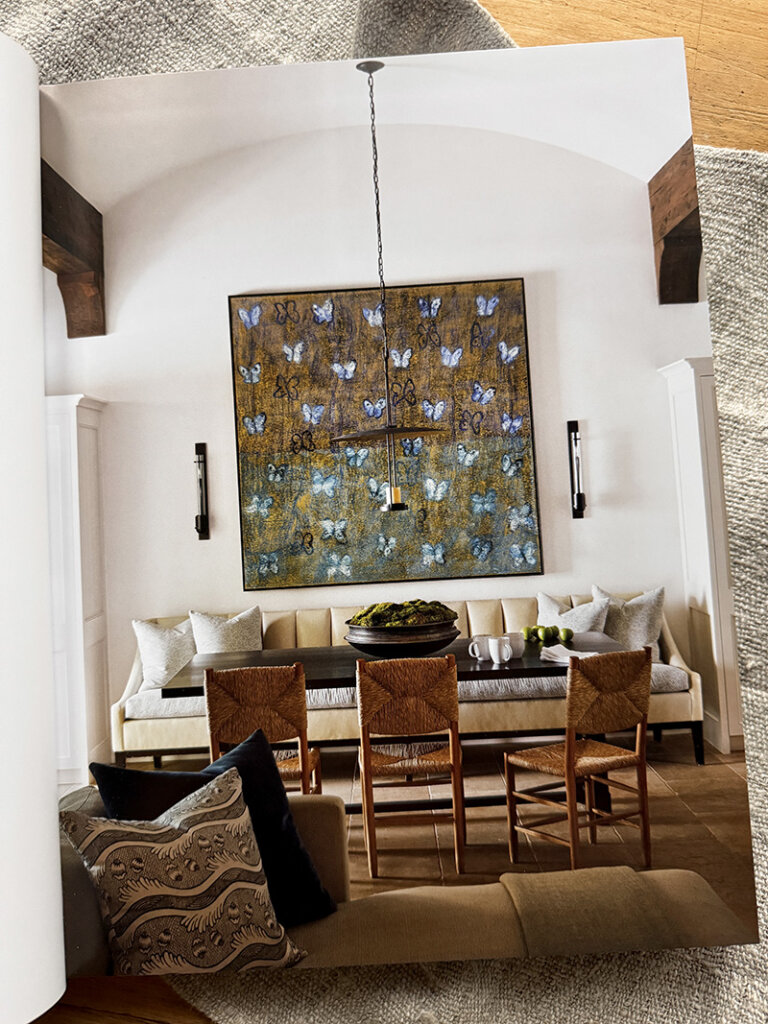
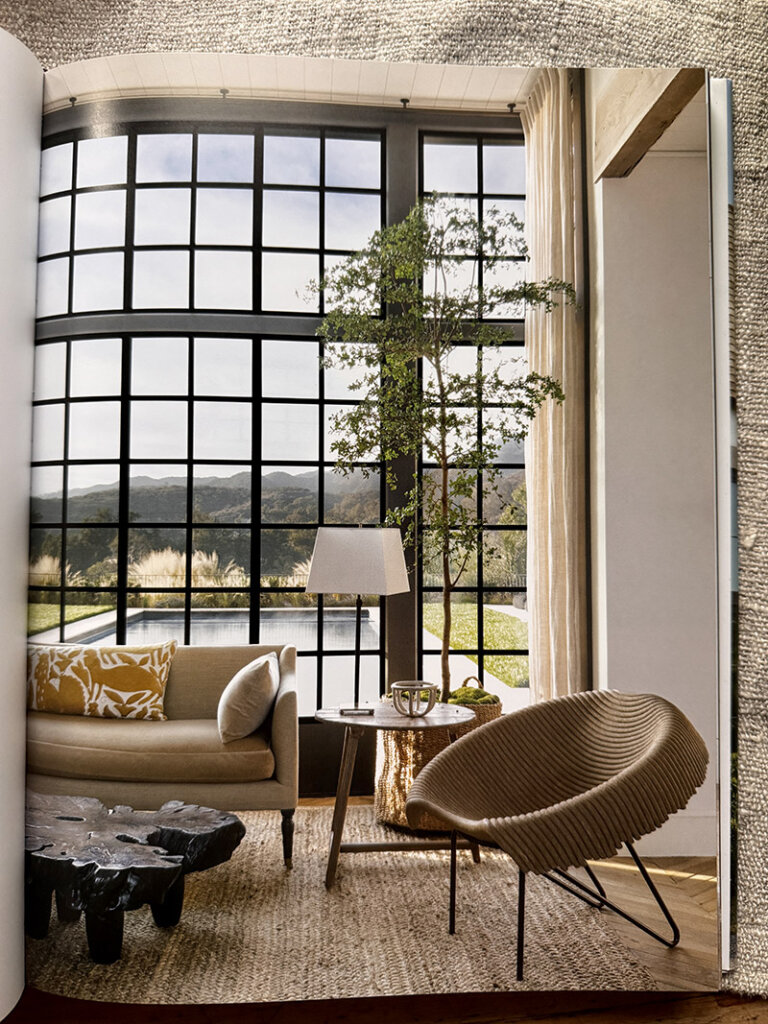
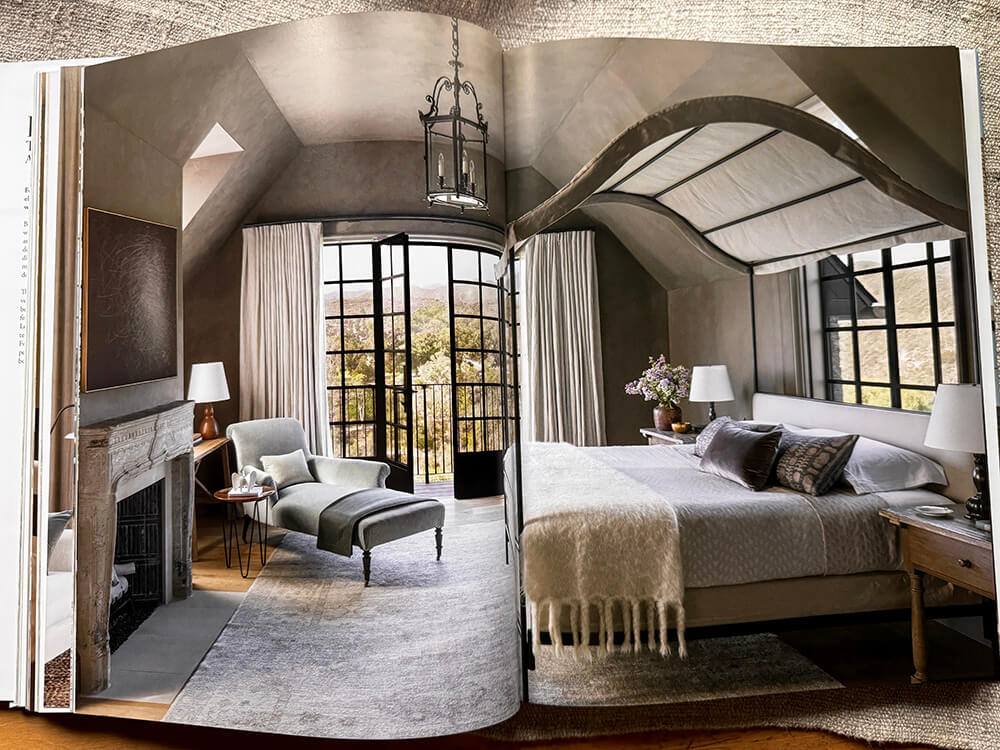
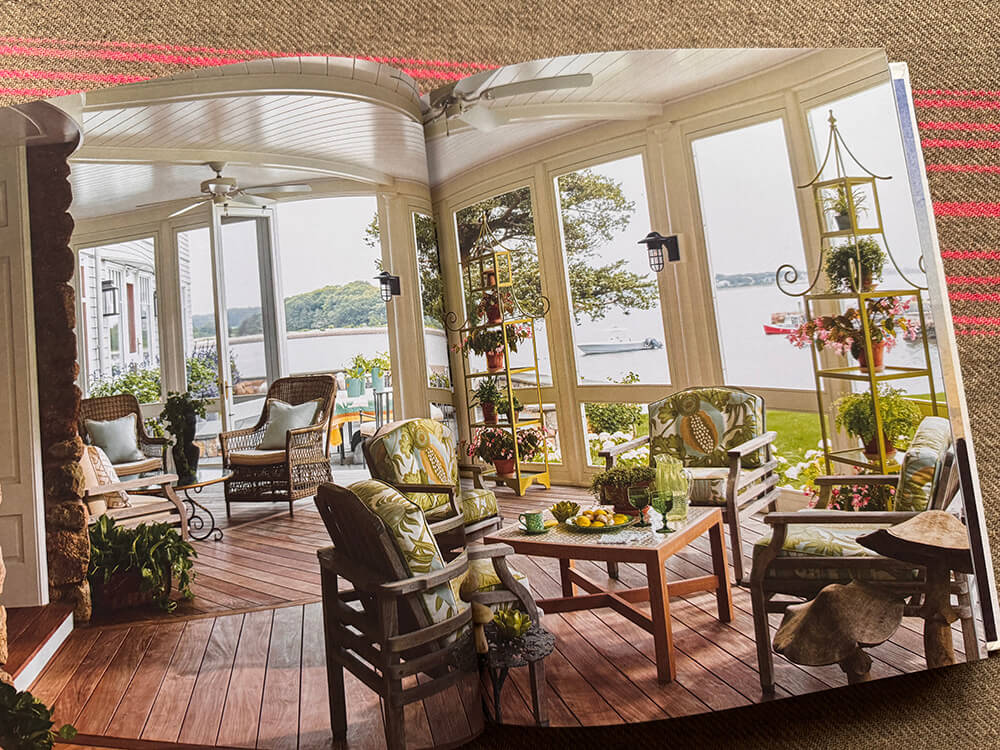
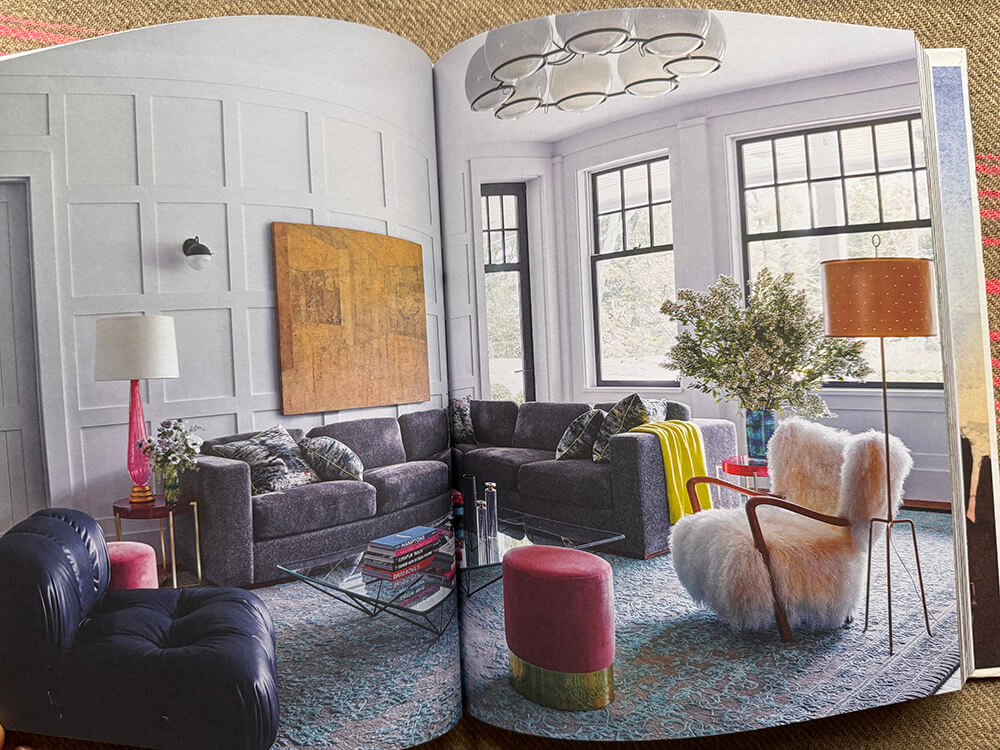
Ray Booth: The Expressive Home: Architecture and Interiors (published by Rizzoli) is an effortless book to get into. So many pretty spaces in a easy on the eye, contemporary aesthetic with lots of take-note moments.
For his second book, Booth, a master of modern elegance, creates homes that are strikingly sophisticated and wonderfully livable at the same time. Booth showcases his innovative and sophisticated modern interiors, which mix a keen sense of tranquility with bold and elegant details, as well as homes renovated inside and out, and houses designed and decorated from the foundations up. Both his exteriors and interiors display a harmonious blend of traditional and contemporary elements, resulting in an appealingly timeless aesthetic. This exquisitely designed tome presents his forward-thinking vision. The spectacular projects featured span the country from coast to coast—from a dramatic Los Angeles hillside dwelling with expansive windows to a contemporary Nashville home that marries brick, metal, and wood. For his own Provincetown seaside getaway, he has chosen an unexpected cutting-edge style.

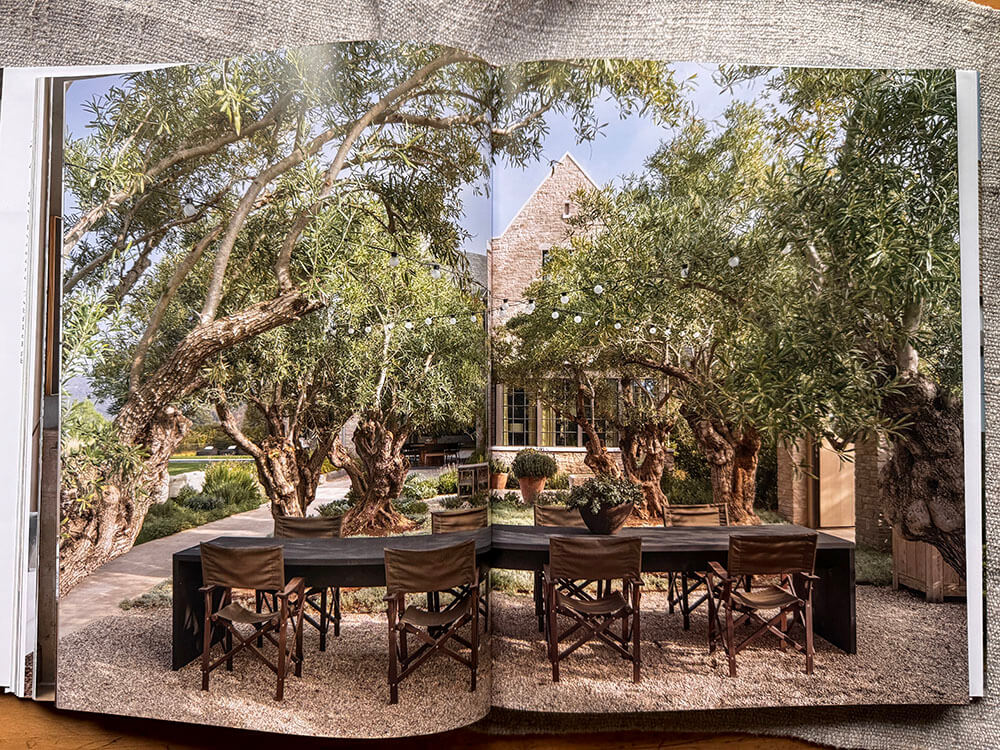
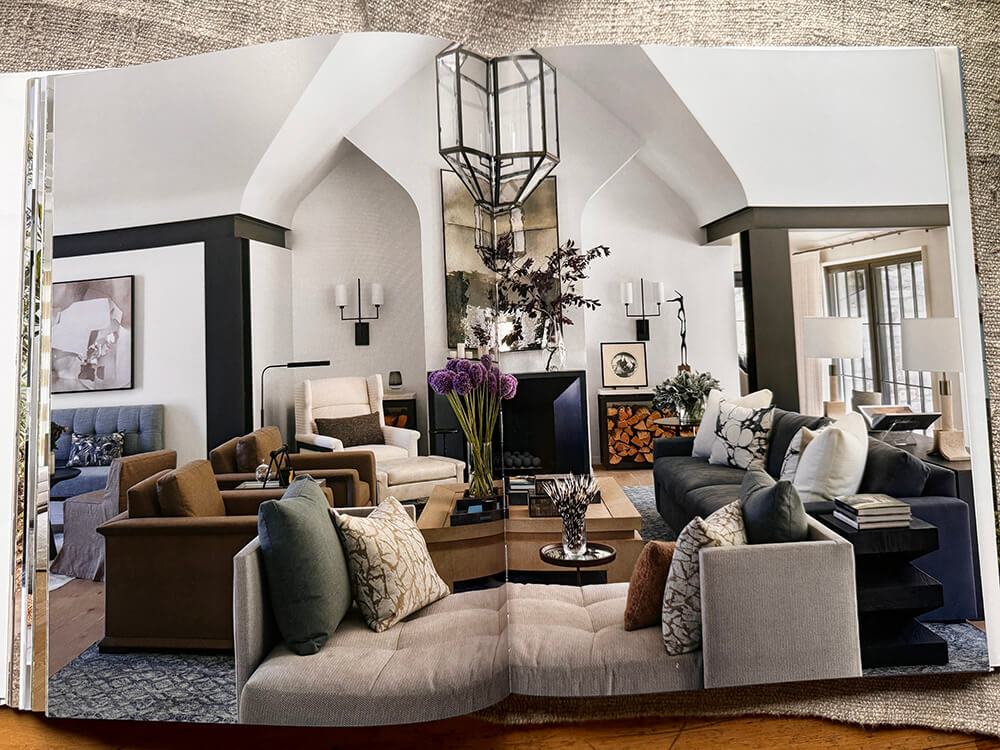
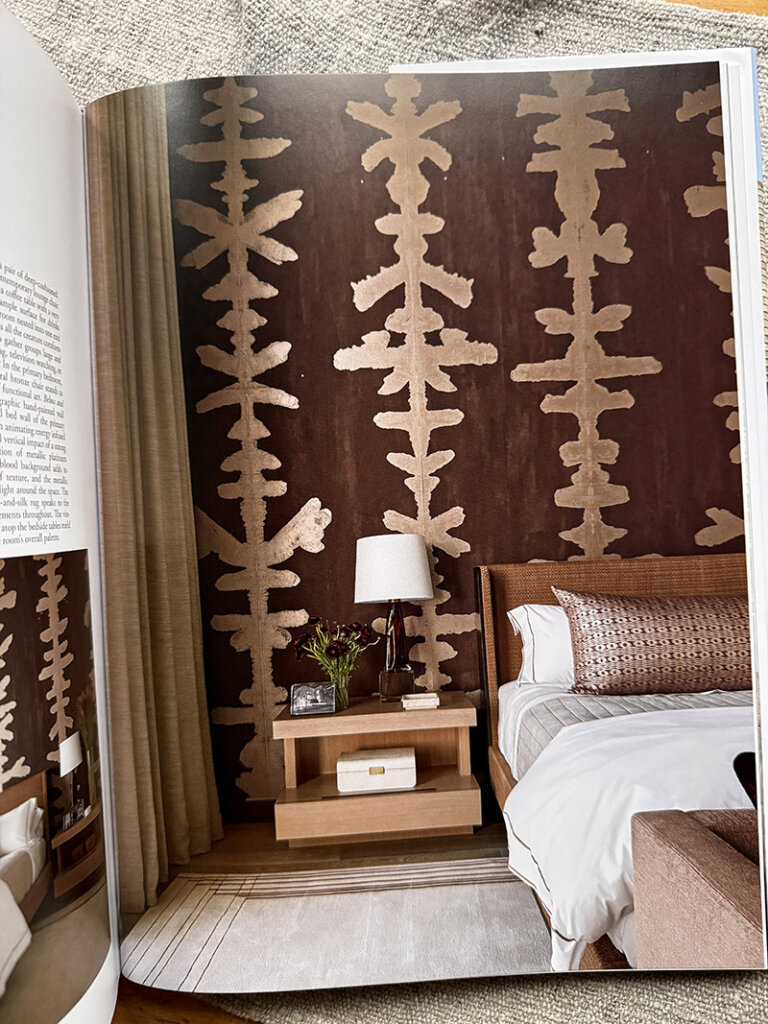
La Pausa: The Ideal Mediterranean Villa of Gabrielle Chanel (text by Montse Aguer Texidor and Laura Bartolomé and Philippe Collas, published by Rizzoli). In 1928, Gabrielle Chanel built La Pausa, a magnificent villa in Roquebrune in the South of France. Designed and decorated by the couturiere herself, it was her refuge for decades, and where she welcomed many friends—leading artistic, cultural, and high-society figures such as the Duke of Westminster, Pablo Picasso, Salvador Dalí, and Jean Cocteau. Plunging the reader into the bustling atmosphere of the Côte d’Azur in the ’30s, this book showcases all facets of Chanel’s Mediterranean home—its conception and construction, its unique architecture and gardens, and the artists and creatives it inspired. The luxurious tome is bound in Orient blue cloth with an inlaid portrait of the villa, seven-color printing on two paper stocks, and three facsimile inserts—Chanel’s correspondence with Picasso and Dalí, and an architectural plan of the villa.
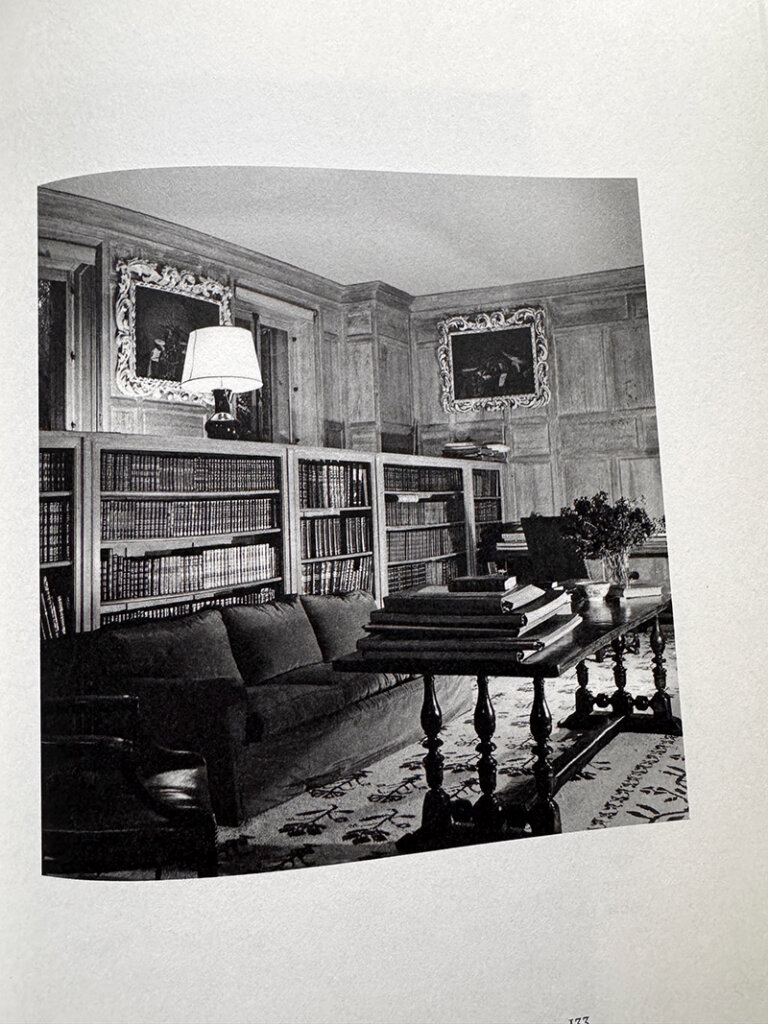
For coffee table books such as this one, particularly given the description above, I expected lots of juicy photos. I quickly realized this book was heavy on text and had very little photos of the villa, much to my disappointment. There are some intriguing photos of past visitors of the villa (the one below of Salvador Dali had me chuckling) and copies of receipts and a surprise postcard insert that was a nice touch. I hope I have time to read this one over the holidays.








New books in my mailbox as of late – part 1
Posted on Mon, 8 Dec 2025 by KiM
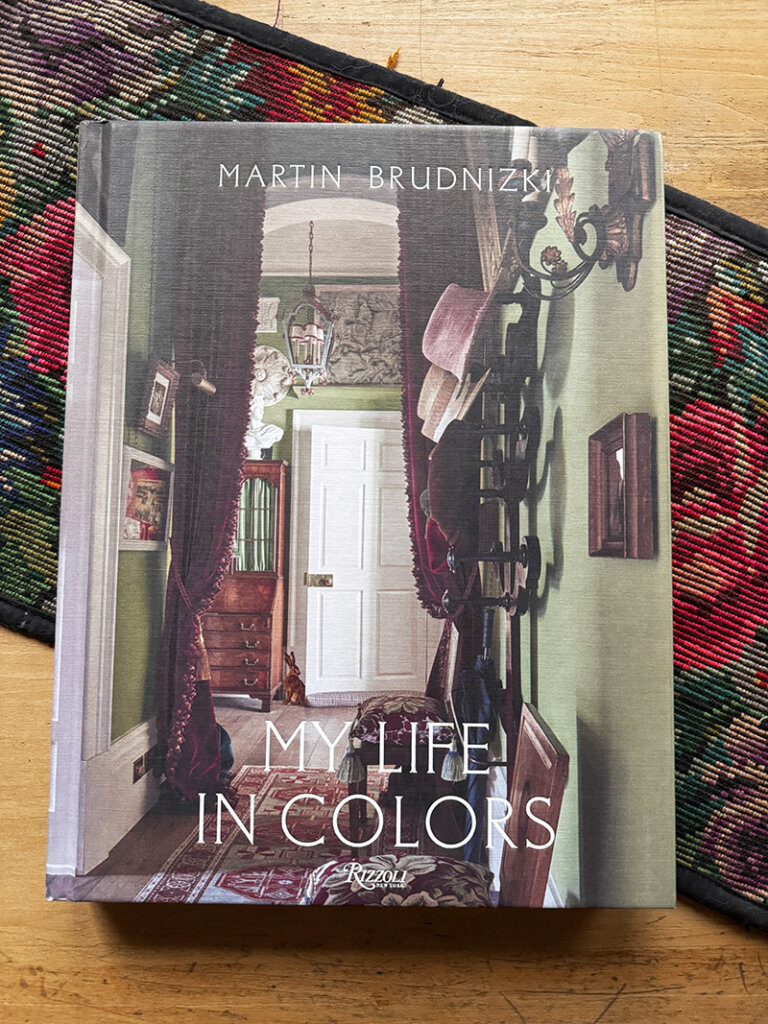
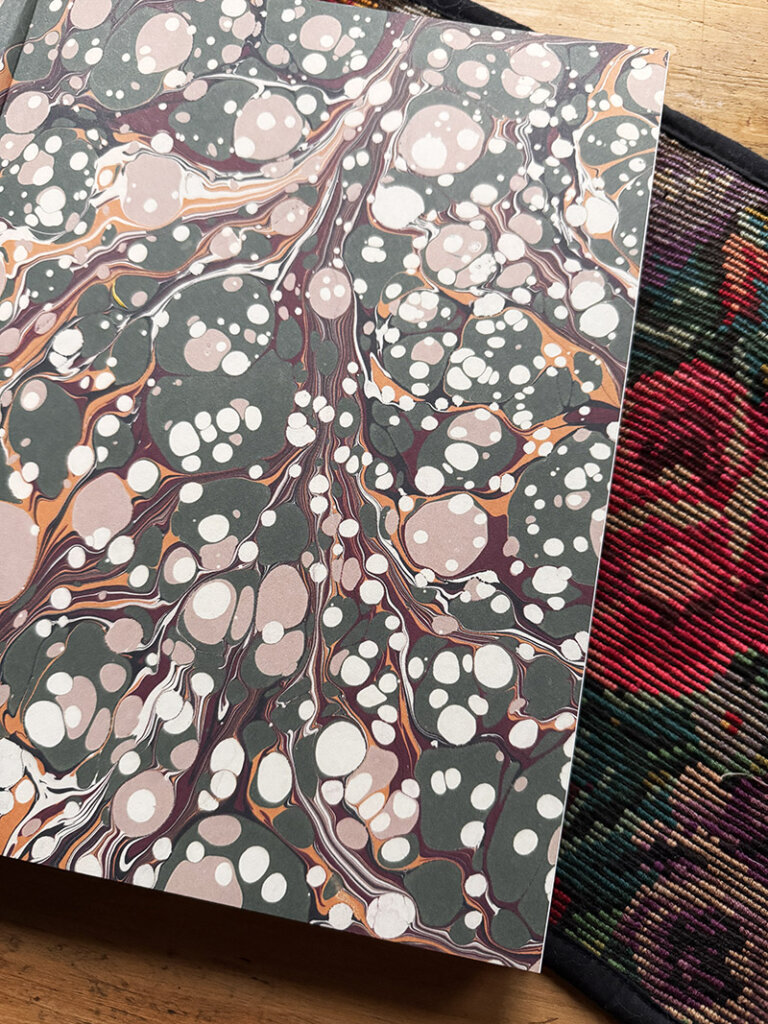
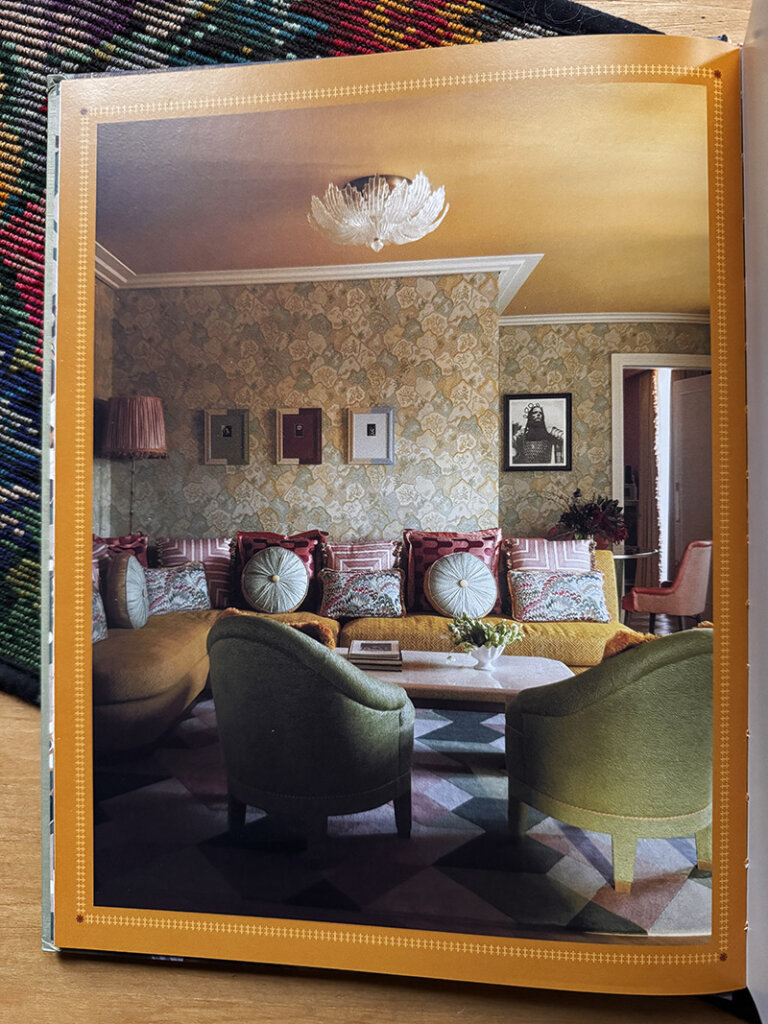
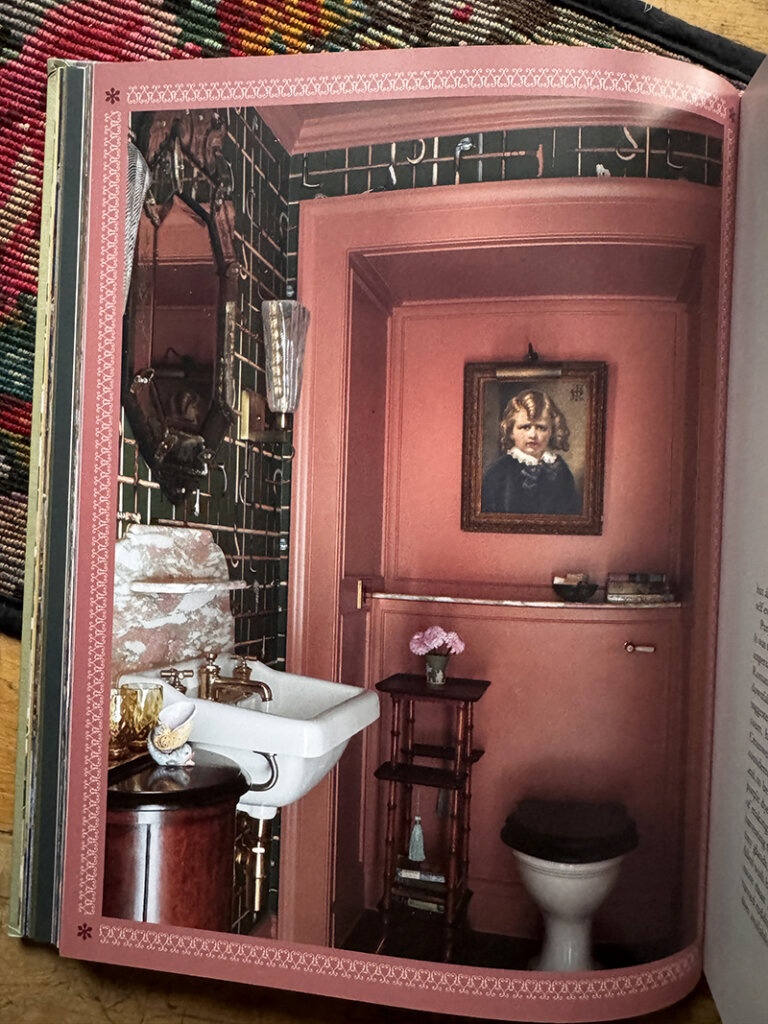
Martin Brudnizki’s maximalist style and ability to transform high-profile venues into iconic spaces have earned him a prestigious reputation internationally. This debut book explores how the celebrated designer uses the language of color to create glamorous interiors that are both opulent and deeply resonant, where every shade tells a singular story. In this enchanting volume, the designer draws inspiration from nature, art, fashion, and history to show us how color influences his life and work. The charming design of the book brings the magic of his world to life: classical busts are unmoored from their pedestals, silky peonies embellish texts, candelabras glow, and birds flutter free from their frescoes and travel with us for pages. Each chapter is devoted to a single color, illuminating how Brudnizki leverages the emotional power of color to enhance the overwhelmingly beautiful and luxurious spaces he creates.
My Life in Colors (published by Rizzoli) is some serious eye candy and a wonderful addition to your book collection. There’s a lot of commercial spaces in this book so beware, and that was a bit of a disappointment to me, but they are pretty fabulous and I think I can get over that.


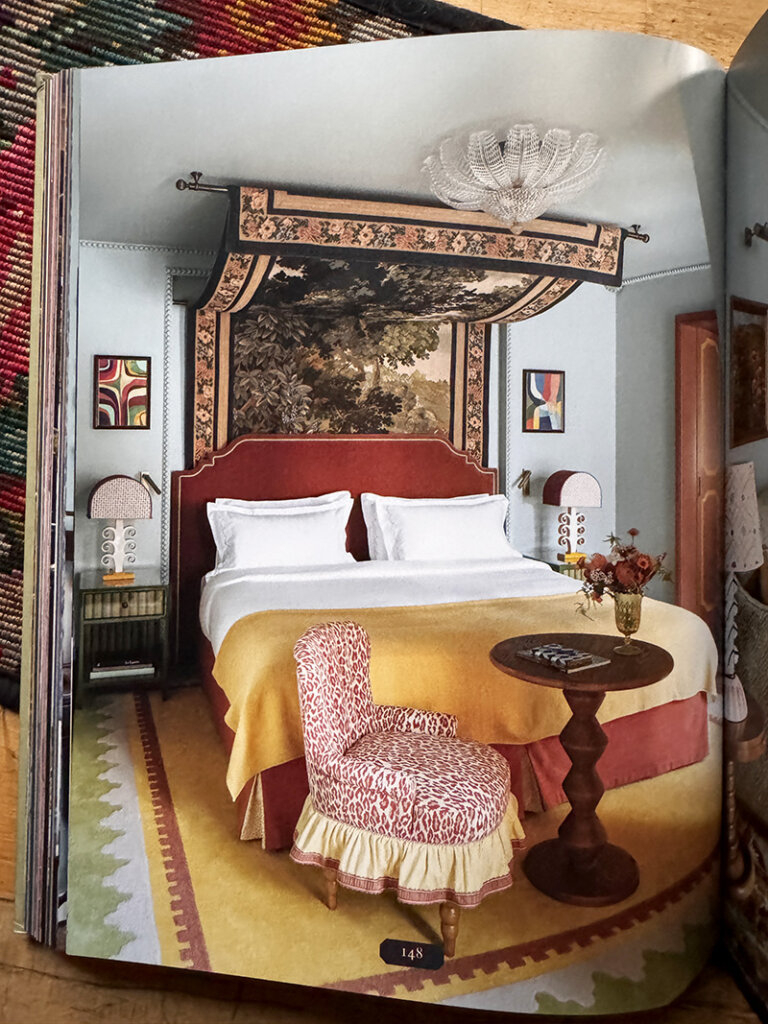

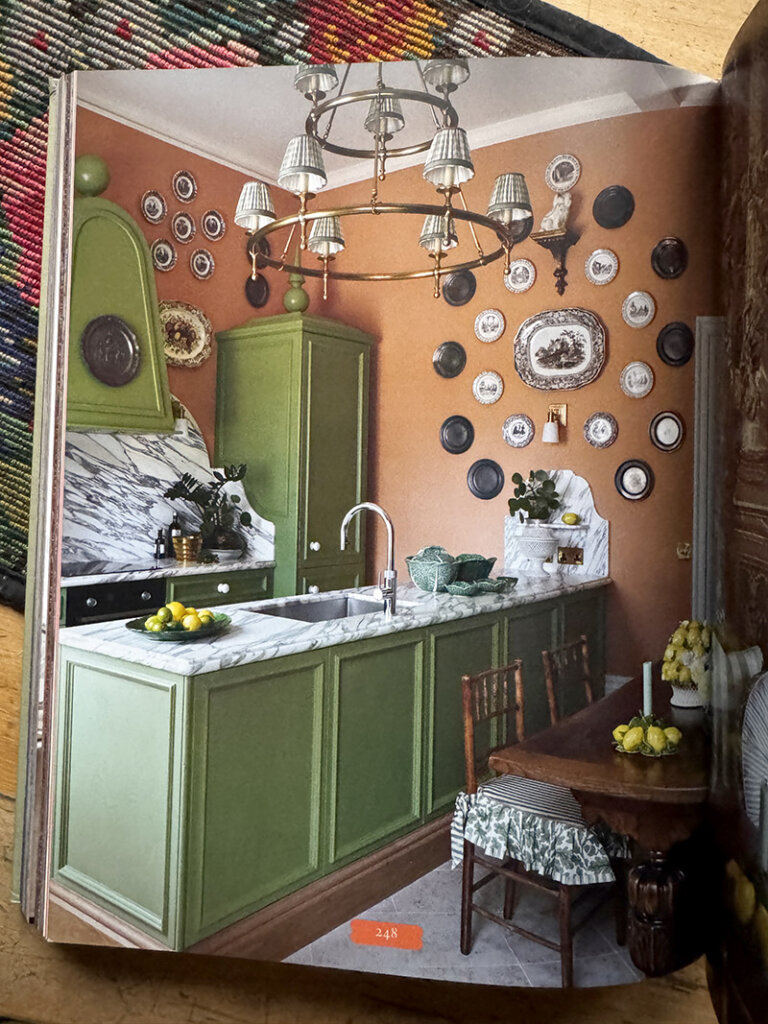
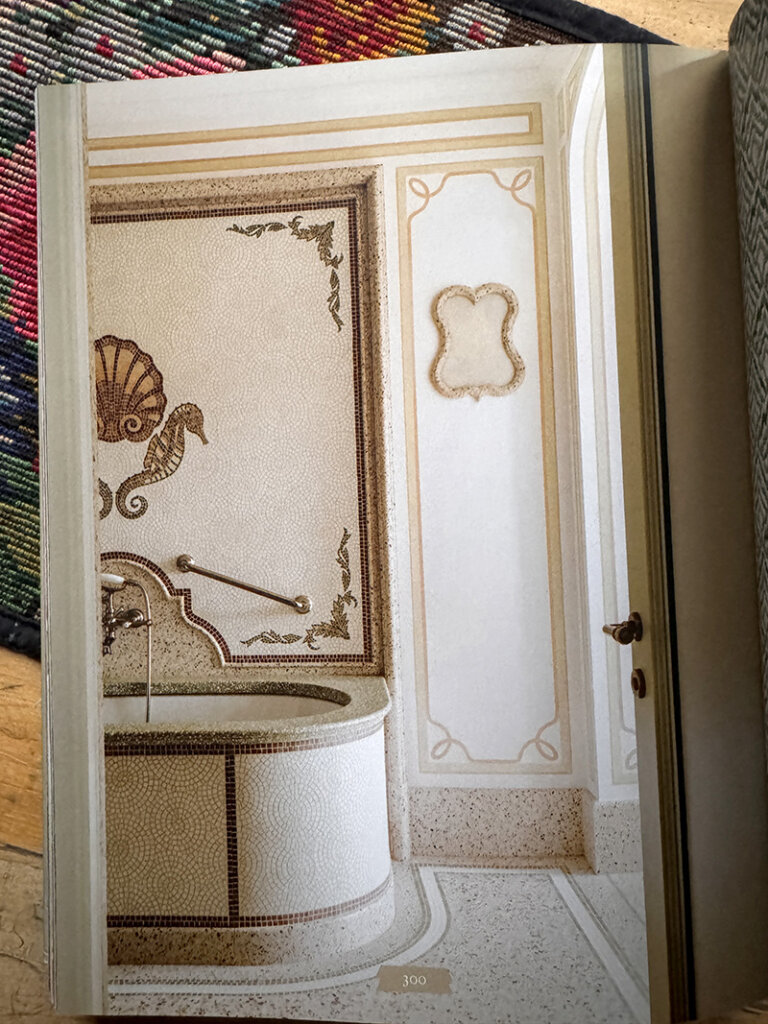
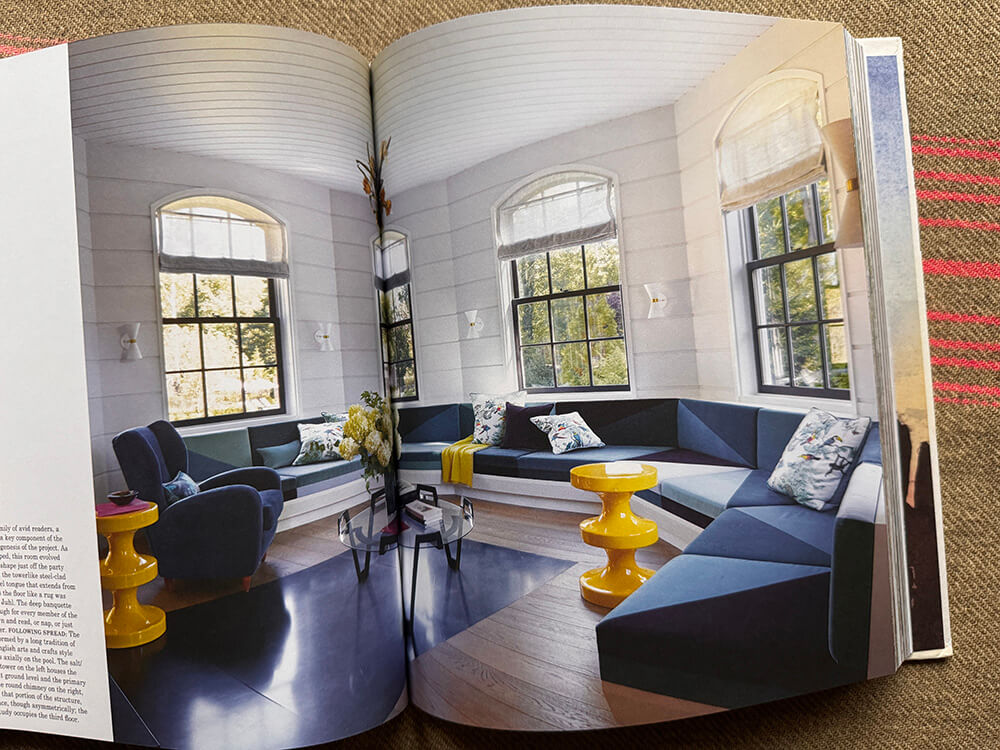
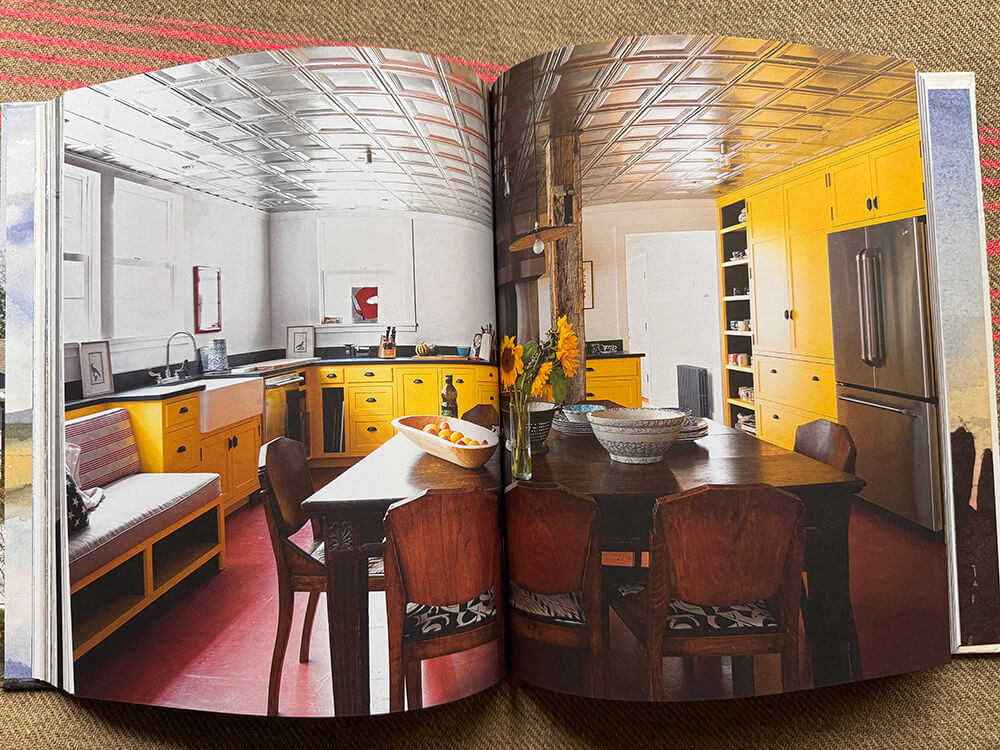
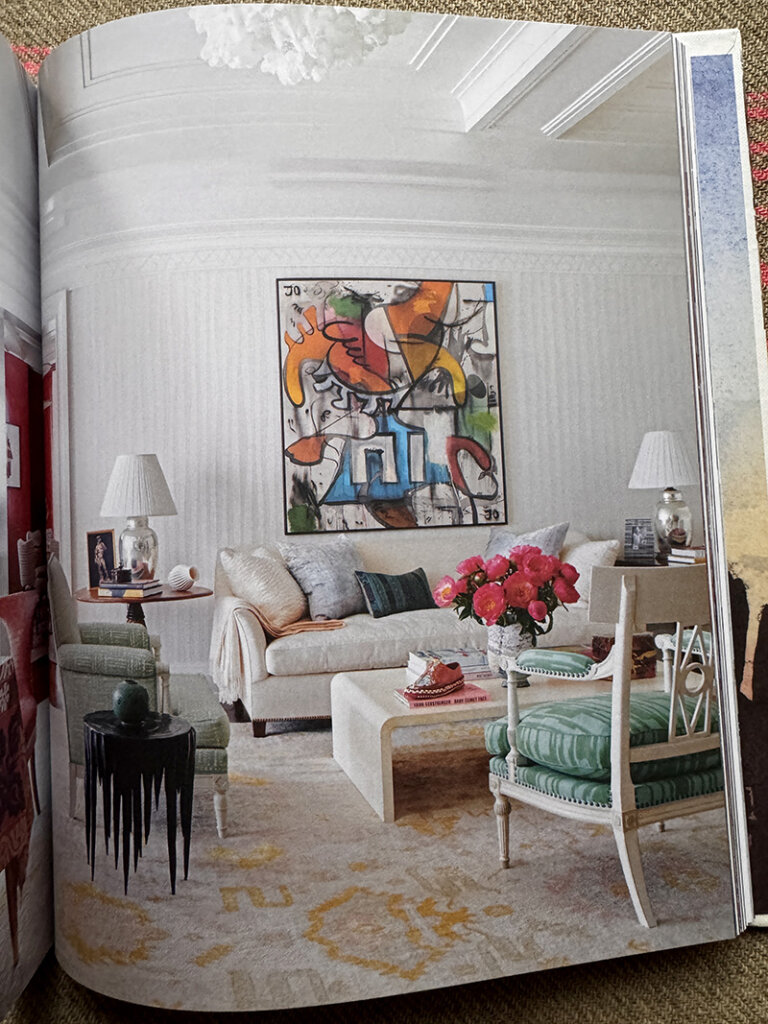
I was super excited about this next book, Distinctly American: Houses and Interiors by Hendricks Churchill (photos by Chris Mottalini, Jeff Holt, Amanda Kirkpatrick, Stephen Kent Johnson, published by Rizzoli) I was sooooo excited about because I am huge fans of Heide Hendricks and Rafe Churchill and we’ve featured many of their projects here.
Founding partners Heide Hendricks and Rafe Churchill have been collaborating for more than twenty years—whether designing new houses and interiors or overseeing historic renovations—and this is the first book to present a comprehensive look at the firm’s projects, refreshingly relevant exercises in reinvention. Every project is rooted in tradition, truth, and an inherent connection to historical architecture and the rural landscape—whether that be a country house in Litchfield County, Connecticut, or an apartment in New York’s Greenwich Village. Drawing inspiration from Shaker cleanness of line, Arts and Crafts integrity, Dutch agricultural buildings, and bohemian chic, the interiors team selects paint colors, furnishings, textiles, lighting, and general finishes—all chosen with an appreciation for historical and contemporary art, design, film, and literature. The goal is to create eclectic, well-informed, and emotional interior spaces that do not play to today’s design trends. The designs express the essence of rural America—the practicality and purity of materials and design, with a keen understanding and deep knowledge of traditional buildings and construction.

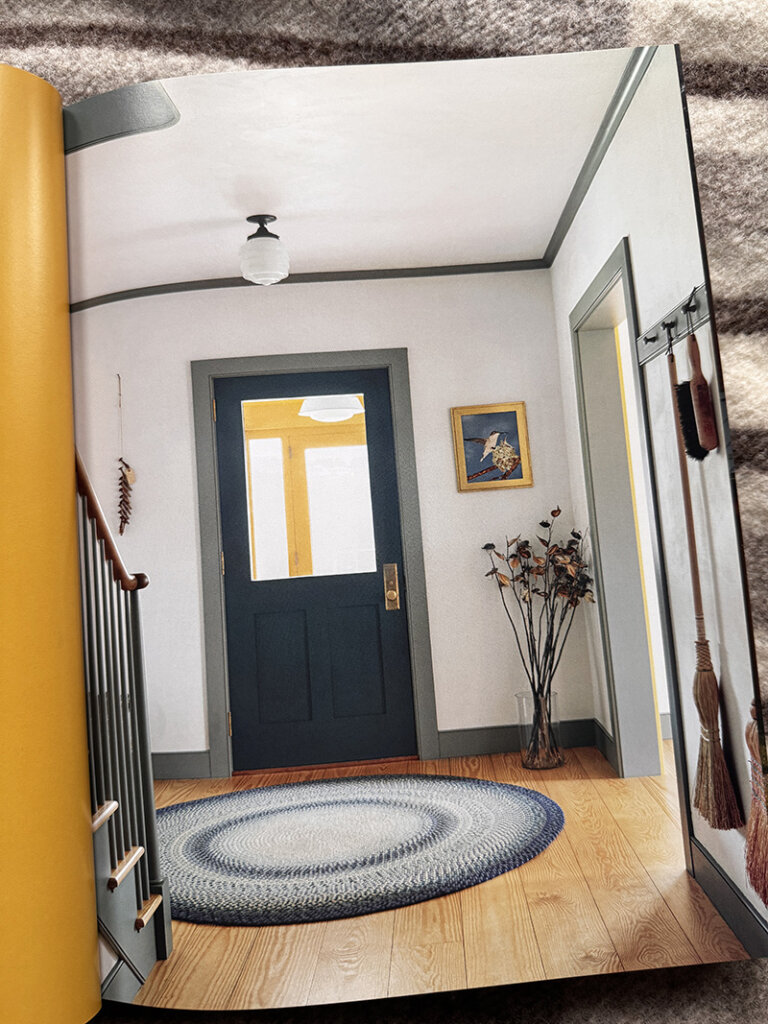
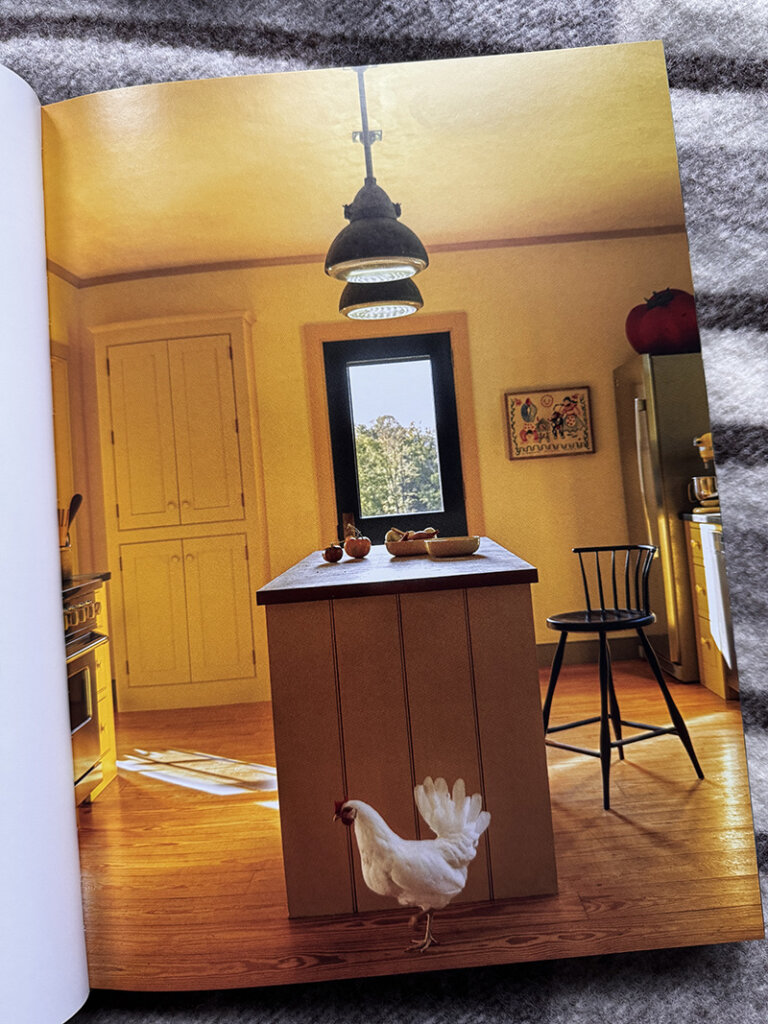
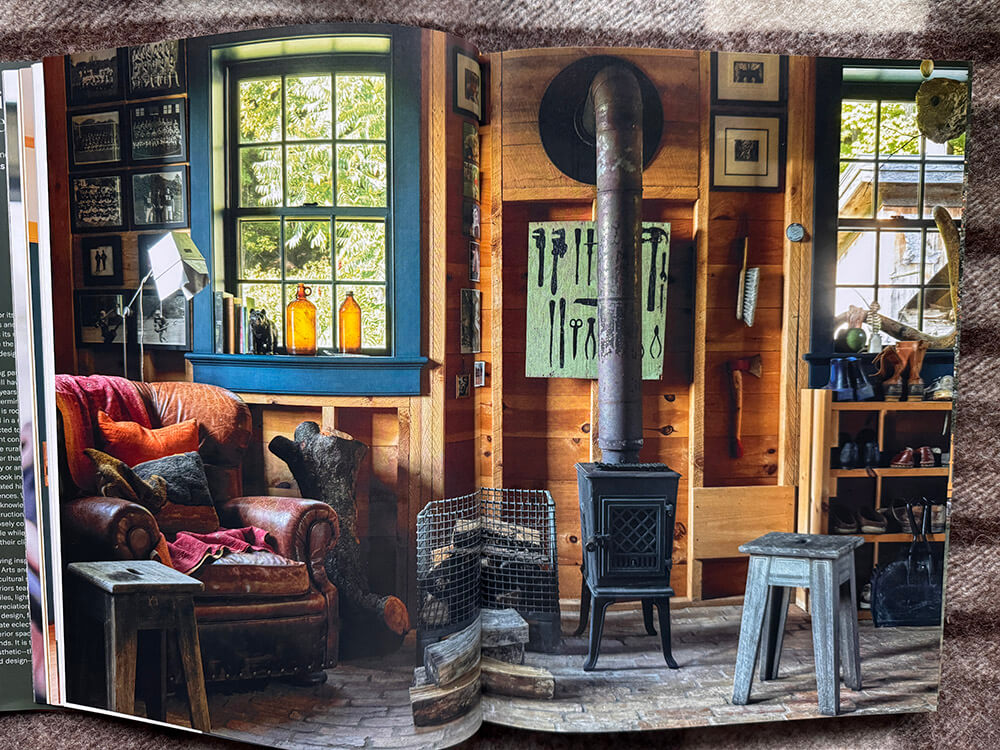
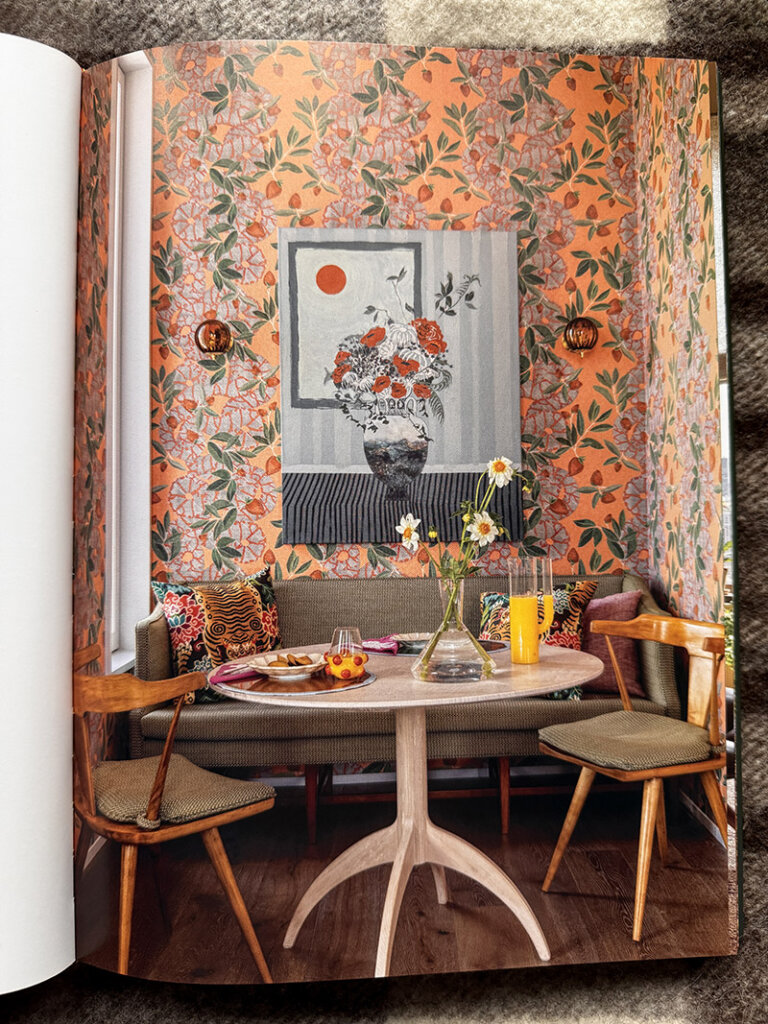
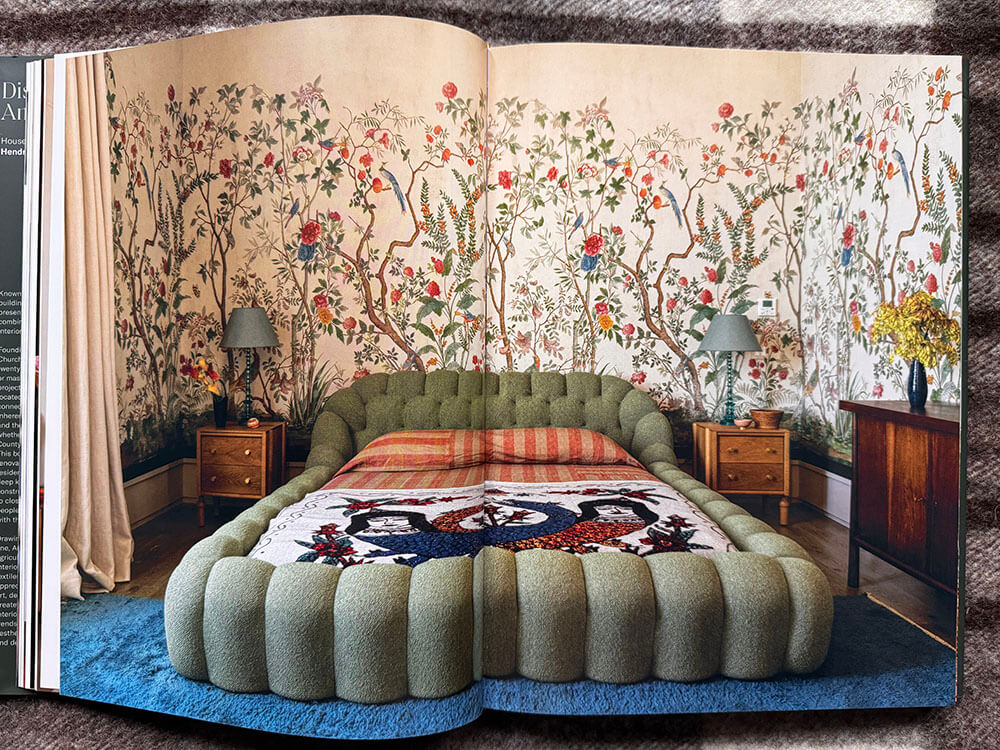
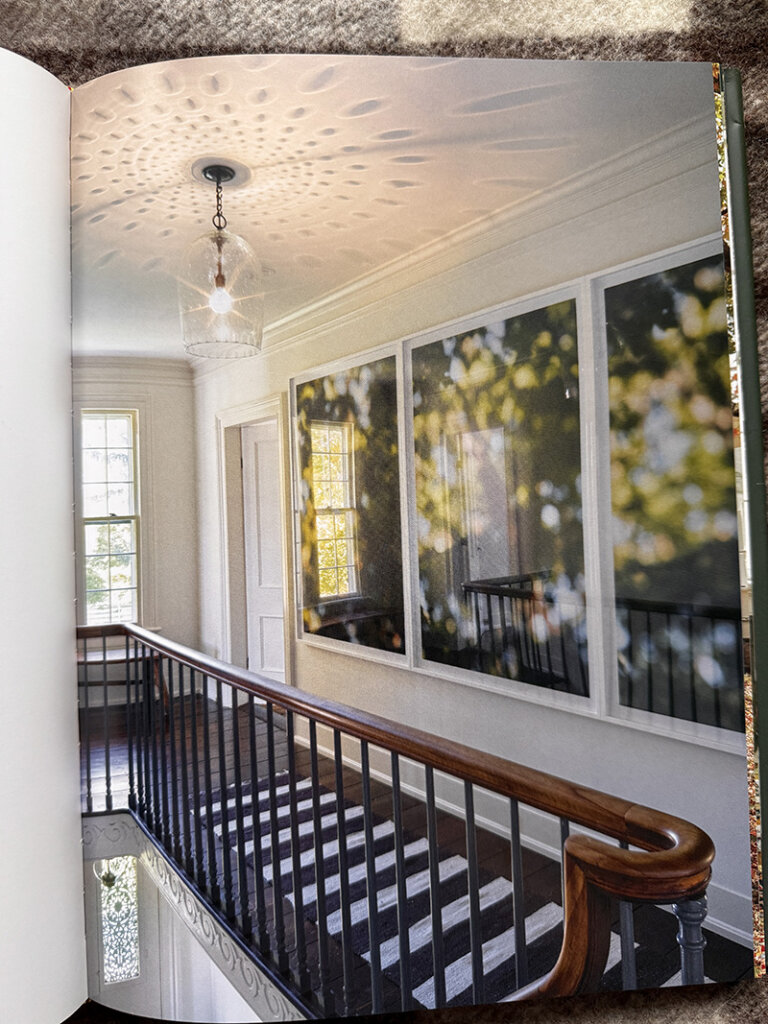
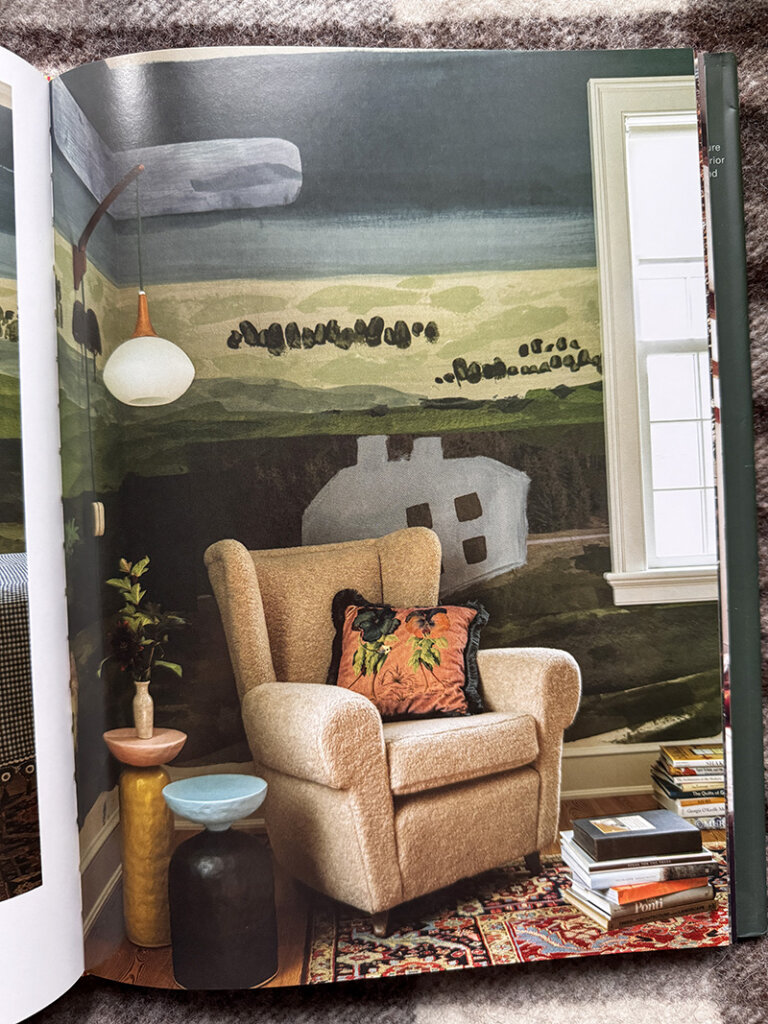
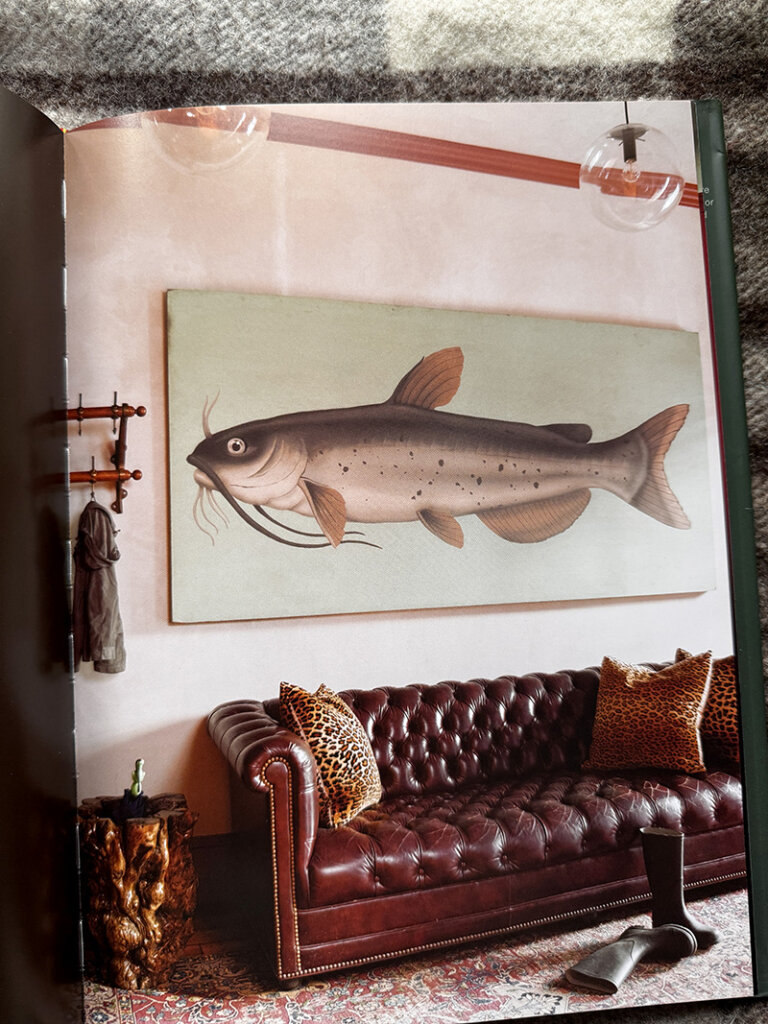
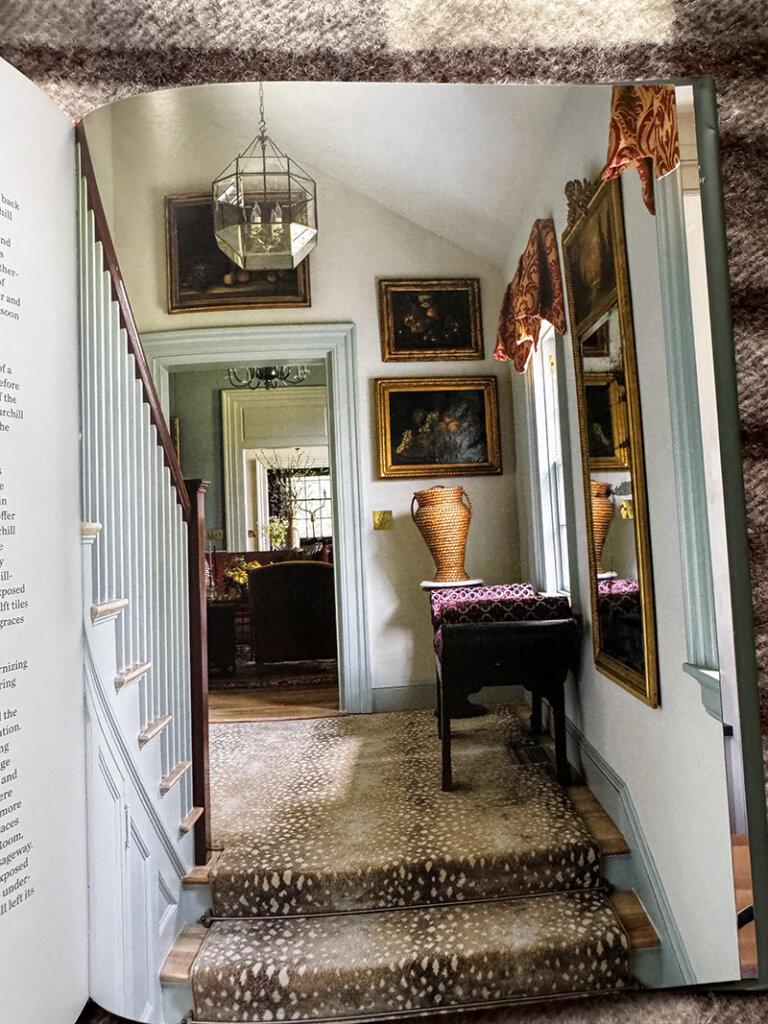
Last one of this group is an admittedly mediocre book for mostly superficial reasons. From Hand to Home: The Architecture of Douglas Wright (published by Rizzoli) has a cover that is matte and textured and doesn’t at all appeal to me, all of the photos are matte and look really washed out, and the font on the cover is also featured as a main font throughout and is frankly, awful. Maybe purchase this one when it goes on sale?
Renowned architect Douglas Wright fills his beautifully designed debut book with recent highlights from his stunning portfolio of new houses and renovated dwellings. Wright’s architecture, based in classical tradition and steeped in the historical continuum, has an effortless appeal that crosses styles and periods. Wright has captured the attention of design aficionados with his breathtaking architectural spaces informed by the spirit and lessons of historical, vernacular, and modern styles for today. Each of the presented residences—from a Queen Anne–style house and a seaside Shingle-style cottage to a modern beach house, a Frank Lloyd Wright–inspired retreat, and a McKim, Mead & White city apartment—is paired with Wright’s painted and penciled sketches, along with floor plans, all of which demonstrate his facility with the history of ornament and contemporary currents.

How to choose statement walls that elevate your entire space
Posted on Sat, 4 Oct 2025 by Guest
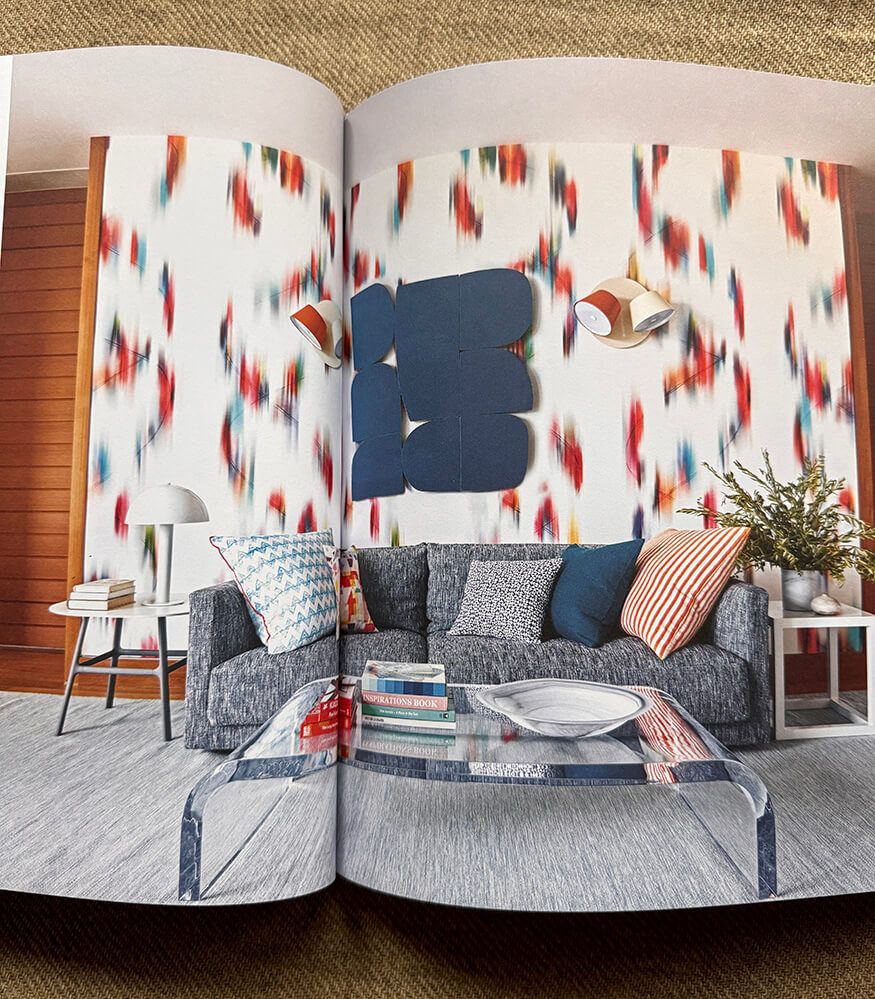
When it comes to creating a space that truly reflects your style, most people think of furniture, lighting, or home flooring as the main design decisions. While these elements are important, walls are often the unsung heroes of interior design, and the right statement wall can completely transform your home. A statement wall, also known as a feature wall, is your opportunity to inject personality, colour, and texture into a room without overwhelming the entire space.
From bold colours to textured panels, the right choice can add depth, balance, and even change how big or small a room feels. But choosing one that elevates your home rather than clashes with it requires a little thought and planning.
Understanding the purpose of a statement wall

Before you start browsing paint swatches or wallpaper samples, ask yourself what you want your statement wall to achieve. Is it meant to bring warmth to a living area? Add drama to a bedroom? Highlight a unique architectural feature?
A well-chosen statement wall can:
- Draw the eye to a focal point in the room
- Enhance the existing colour scheme
- Create a sense of depth and dimension
- Reflect your personal style without overpowering the space
The clearer your goal, the easier it will be to narrow down your options.
Colour as a statement
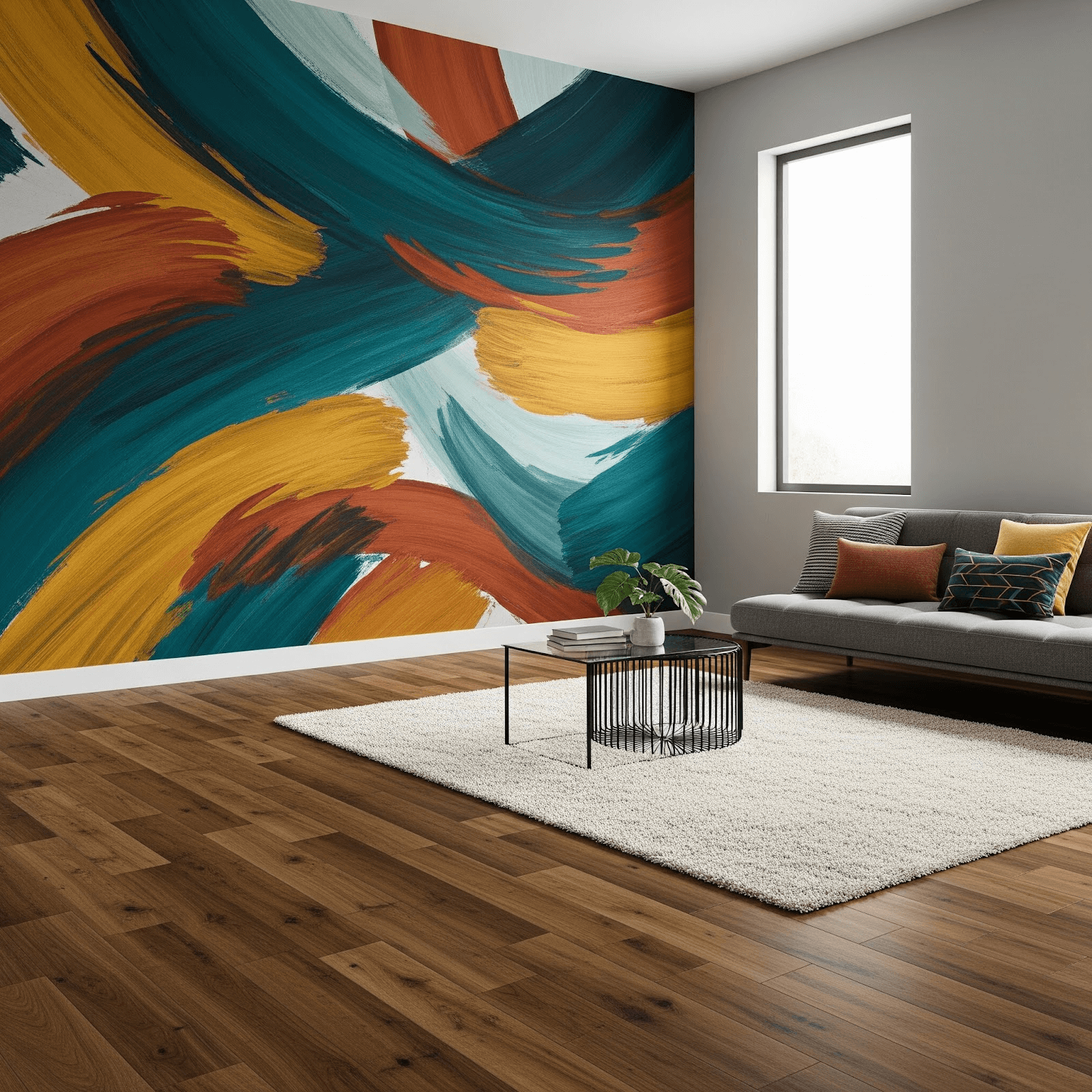
One of the simplest and most affordable ways to create a statement wall is with paint. Bold, saturated colours can add drama and depth, while softer shades bring a sense of calm and relaxation. The key is to select a colour that complements your existing décor rather than competes with it.
If your home flooring features warm timber tones (whether natural hardwood or Luxury Vinyl Plank (LVP), rich earthy hues like terracotta, olive green, or deep gold can create a cohesive and inviting atmosphere. LVP is particularly versatile, as it comes in a wide variety of shades and finishes that mimic everything from rustic timber to sleek modern surfaces, giving you plenty of flexibility when choosing wall colours. For lighter flooring styles, including pale oak or grey-toned LVP, cooler shades such as navy, charcoal, or teal can provide contrast while keeping the design balanced and intentional.
Textures and finishes
When creating a feature wall, colour is only part of the story, texture can be just as powerful. By introducing tactile surfaces, you instantly add depth, character, and personality to a room. Natural finishes such as timber, stone, or brick lend warmth and authenticity, while modern options like 3D wall panels, polished concrete, or textured wallpaper bring sophistication and impact. T
he right finishes don’t just enhance the wall itself; they also complement your furniture, lighting, and flooring to create a cohesive look. Textures can even shift the mood of a space – earthy, organic surfaces encourage a cosy, welcoming feel, whereas smooth and sleek finishes evoke a contemporary, open atmosphere. By experimenting thoughtfully with different textures, you can transform a flat wall into a striking focal point that elevates the overall style and ambience of your home.
Popular texture options
- Wallpaper with patterns, metallics, or botanical prints for a bold visual hit
- Timber panelling for warmth and character
- Stone cladding to add natural texture and depth
- 3D wall panels for a modern, architectural feel
Mixing textures with colour can create even more interest. For example, a navy-painted timber panel wall in a dining room can feel both sophisticated and cosy.
Using patterns effectively
Patterns can instantly energise a space, but they need to be handled with care. Large-scale geometric designs can make a strong statement in a contemporary home, while delicate florals or damask prints might suit a more traditional setting.
To keep things balanced, limit bold patterns to one wall and pair them with simpler, solid-coloured furnishings and accessories. This will prevent the space from feeling too busy.
Lighting your statement wall
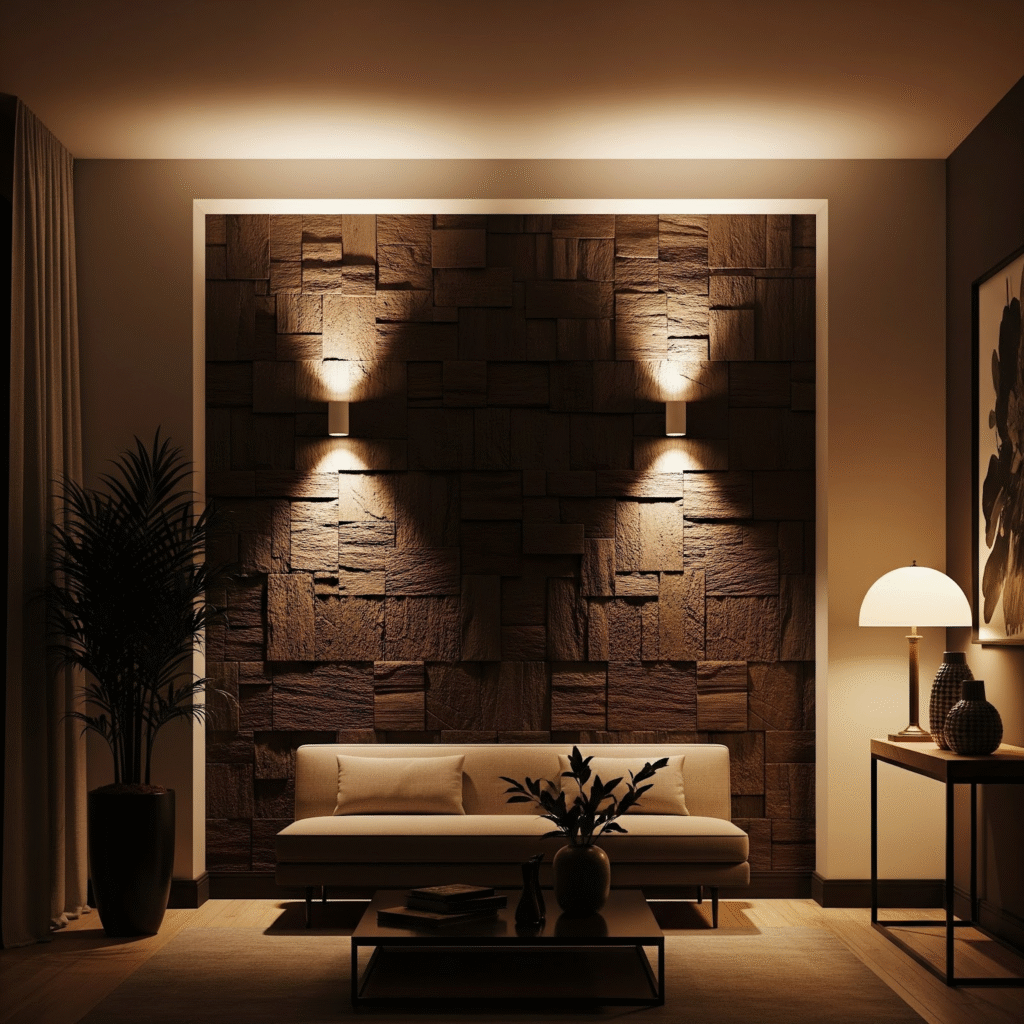
The way you light a statement wall can dramatically influence its impact. Spotlights, wall sconces, or even LED strip lighting can help highlight texture and colour, especially in the evening.
For example, stone cladding takes on new life when lit from above, with shadows enhancing its texture. Similarly, a wallpapered wall can pop under soft, diffused lighting that draws attention to its patterns.
Coordinating with the rest of the room
A statement wall should feel like part of the overall design, not an isolated feature. Pull colours or textures from the wall into other elements of the room, such as cushions, artwork, or rugs. This creates visual harmony and ensures the wall complements rather than dominates the space.
It is also important to think about proportion. If your statement wall is bold and colourful, balance it with more neutral tones in the rest of the room. Conversely, if the wall is more understated, you can afford to use bolder accents elsewhere.
Making your statement wall work for your home
Choosing the right statement wall is all about balance, cohesion, and purpose. Whether you opt for bold colour, rich texture, or a striking pattern, the key is to ensure it complements your home flooring, furnishings, and overall style. Done well, a statement wall does not just change how a room looks, it changes how it feels. That is the true power of thoughtful interior design.
Working on a Saturday
Posted on Sat, 30 Aug 2025 by midcenturyjo
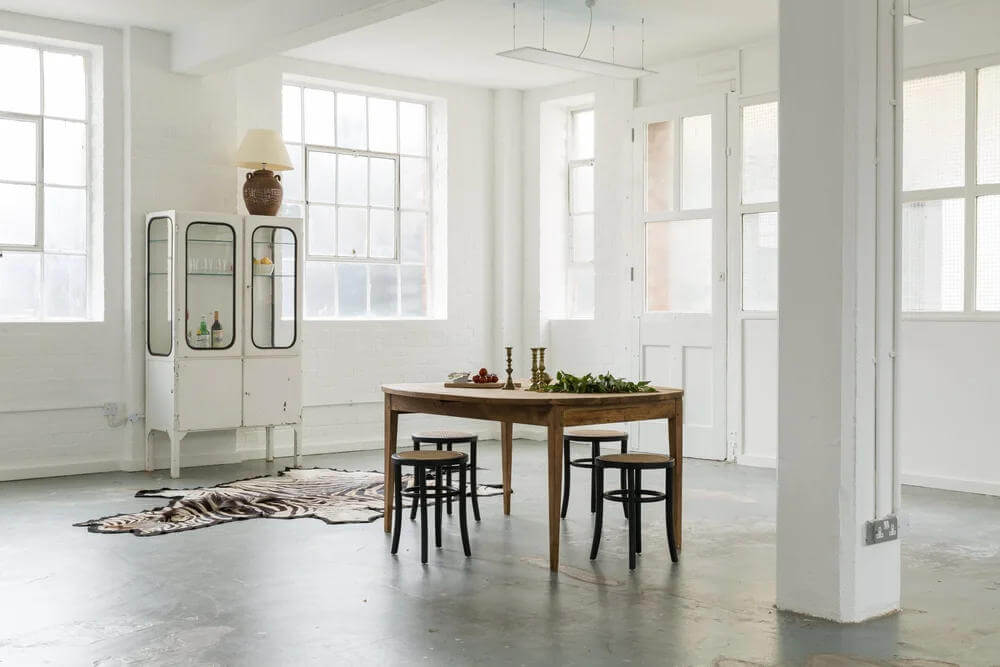
It’s like I say week in week out. If you have to drag yourself into work on a weekend it helps if it’s somewhere stylish. Office London by Joyce Sitterly.
Offices across the UK, from the West Coast of Scotland to London, are realising the importance of a well-considered workplace design for team motivation. So whether this is the midcentury aesthetic you want for your office in Camden, or a different vibe altogether in Ayrshire, office refurbishments help you cultivate a space that you and your employees love visiting any day of the week.

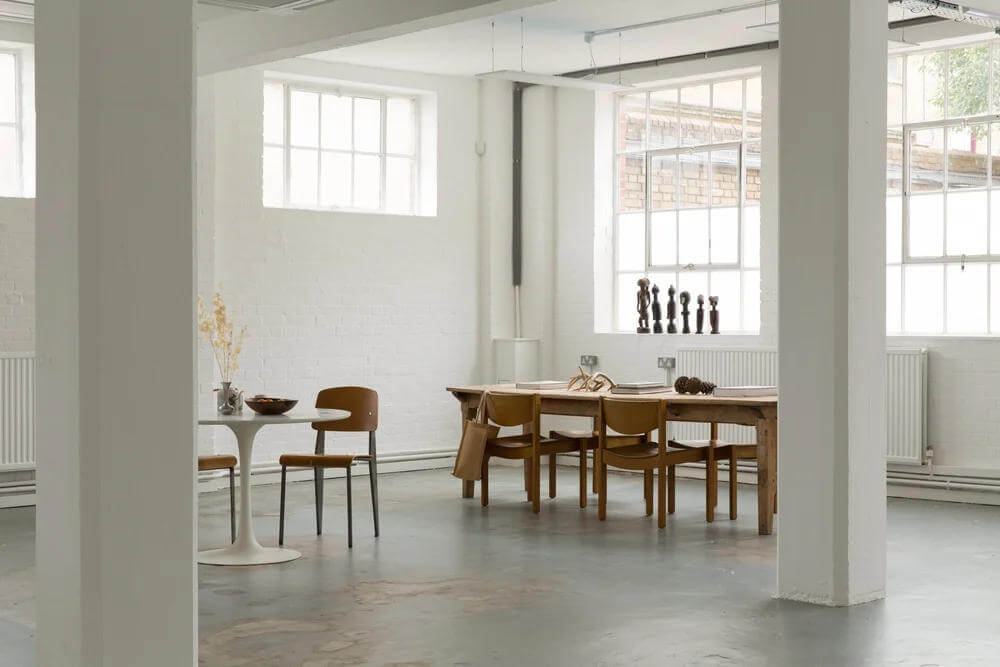


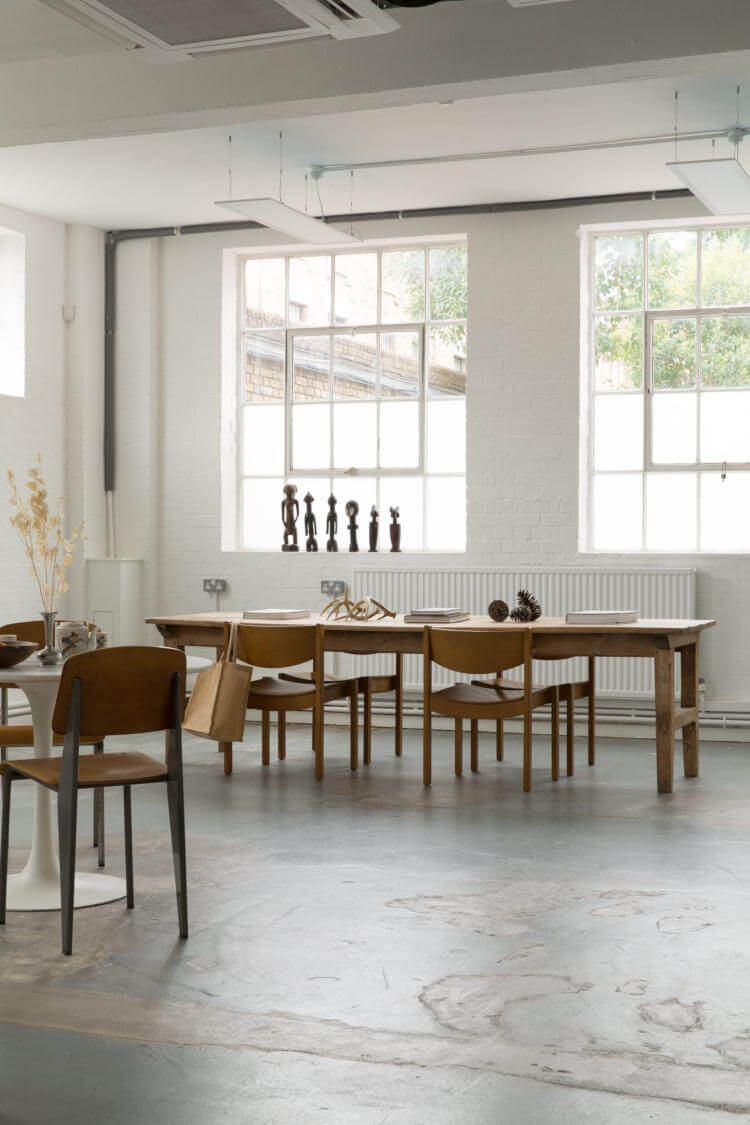

Photography by David Harrison.
Leaky Windows During Heavy Rain: Practical Tips for 2025
Posted on Mon, 14 Jul 2025 by KiM
A forecasted downpour might sound exciting, but not if you have leaky windows. Instead of scrambling for buckets and towels every time it rains, it’s worth taking a closer look at your windows.
In this guide, we’ll cover everything you should know about leaky windows: common reasons, practical tests to confirm leaks, and quick DIY solutions.

Why Are My Windows Leaking?
From structural settling to damaged and ageing window frames, leaks can have many culprits. Even newer windows are not always exempt from trouble, especially if poorly installed or maintained. Researches show that 42% of Canadian homes experience condensation on window surfaces – a sign of seal failure and moisture. Broadly speaking, there are three identifiable areas that can cause leakage.
- House Design
- Missing roof overhangs leave windows exposed.
- Flat or poorly sloped fascia boards over windows can cause water to pool.
- Installation
- Poorly installed windows (even newer ones!) or windows with gaps in their flashing allow water to leak through.
- Substituting house wrap or building paper instead of proper window flashing.
- Maintenance
- Missing paint seal; paint should form a watertight seal, overlapping onto the glass from the trim.
- Gaps or cracks in the caulking.
- Damaged glazing putty breaks the seal on the glass, leading to condensation between the double panes.

Identifying the Window Leak Source: Handy Tests
Before rushing to DIY solutions, you first must figure out the source of the leak. If the leak is around, above, or below the window, it means there is an opening in the wall that allows water in. The exposed gap isn’t necessarily directly beside the window, especially in older homes. In this case, look around the roof or upper floors.
If you think the leak is directly along the window frame (you see water coming through where the sash meets the jamb), here’s how to pinpoint it:
- Smoke. Bring a lit candle or incense to the window frame. When the flame or smoke pattern flutters, there’s your leak.
- Hose. It’s a two-person test. One person should spray water outside the window, while the other should stay inside and check for drips.
- Flashlight. Turn on a flashlight when it’s dark outside and shine around the frame to find the exact place of the gap.
Mould, mildew, water stains, peeling wallpaper, and bubbling paint are good indicators that you have leaky windows.
Quick Troubleshooting Table
Leaks don’t appear out of nowhere. Here’s a quick look at the usual suspects and whether you can tackle the issue on your own:
| Symptom | Likely Cause | DIY or Pro |
| Bubbling pain | Failed caulking or flashing | DIY |
| Water stains on drywall | Leaky frame/blocked weep holes | DIY, if minor |
| Condensation between panes | Broken window seal | Usually pro required |
| Soft, spongy trim | Rotting wood | Pro required |
| Musty odour | Hidden mould/moisture | Pro recommended |
DIY Solutions
So, you’ve identified a leak. What comes next? Don’t rush to hire a contractor. If you have a minor issue, you can fix it yourself. No DIY experience needed.
- Recaulk Problem Spots. Remove damaged exterior caulking with a utility knife, clean the frame, and apply a new layer. Always recaulk on a dry day with mild temperatures.
- Clear Weep Holes. Use a thin piece of wire, pipe cleaner, or a strong burst of compressed air to remove gunk. It’s time to put your quick DIY fix to test: pour clean water on the sill to ensure that it drains as it’s supposed to.
- Replace Damaged Weatherstripping. Remove old weatherstripping if torn or cracked. After cleaning the area, measure, cut, and install new weatherstripping sections. Remove paper from adhesive-backed strips or just press them into the groove if they are pressure-fit.
- Re-Glaze. Remove old glazing, smooth the frame with sandpaper, apply new glaze, and smooth it out with a putty knife. When hardened, coat with oil-based primer.

Calling the Pros
Extensive water damage or structural issues require professional expertise and tools. Call it quits and hire a window or building specialist if:
- The frame is squishy, spongy, or rotten.
- Mould is omnipresent and spreads behind the paint.
- Large areas of drywall are stained.
- Flooded glass unit, regardless of the weather.
- Visible cracks around the frame.
If you have to spend money on replacements, go with ENERGY STAR–rated models — they must have a government-backed certification program.
Preventing Window Leaks: Best Tips and Tricks
Whether you have a shiny new ENERGY STAR–rated window or an old, drafty one, some level of maintenance is still necessary. CMHC Capital Replacement Planning Manual states that regular maintenance can boost a window’s lifespan significantly, potentially by up to 15 years. To save money and avoid dealing with costly replacements, make seasonal check-ups mandatory. Here’s what to pay special attention to:
| What to Check | Why It Matters | How Often |
| Caulking | Shouldn’t be cracked, peeling, or missing. Reseal or replace if necessary, or the water will go right into your house. | Inspect annually; reseal as needed |
| Weep Holes | Located along the outside bottom of the window. The gunk accumulates pretty quickly, leading to leaks.If you have operable sliders or hung windows, the cleanliness of drainage channels is crucial. | Clean them every spring and fall |
| Weatherstripping | Worn or missing strips allow water and drafts in. | Check annually |
| Roof/Chimney/Siding | Damaged roof shingles, gaps around fireplace chimney and exhaust pipes, or loose siding — all let water sneak inside. | Inspect twice a year, especially after major storms |
| Gutters/Downspouts | Clogged gutters and downspouts cause overflow, which will soak walls and windows. | Clean every spring and fall |
| Vegetation | Untrimmed vegetation can trap moisture near walls and windows. This raises the risk of mould and leaks. | Trim seasonally |
Saving Money
If DIY solutions and prevention aren’t enough, you may need to hire professionals and likely install new windows. Keep in mind that energy-efficient ones can be expensive. Luckily, there are federal and provincial loans and rebates to help finance the repair and allow you to save money.
The Canada Greener Homes Initiative finances a range of home improvements, including insulation, energy-efficient windows, and even solar panels. The Canada Greener Homes Loan offers up to $40,000 interest-free financing. Also, look into provincial programs, like Éconologis in Quebec — they offer free energy efficiency services and home improvements, such as caulking, for low-income households. If you want to know about rebates in each province, check this handy rebate guide.