Displaying posts labeled "Kitchen"
A restored cottage in Dorset
Posted on Sun, 16 Jul 2023 by KiM

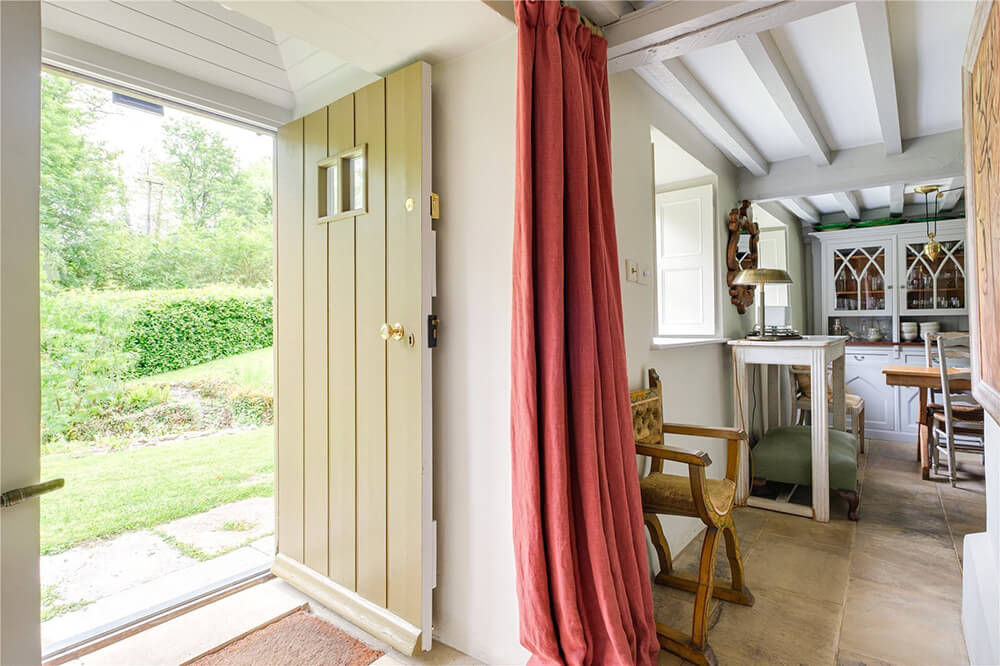
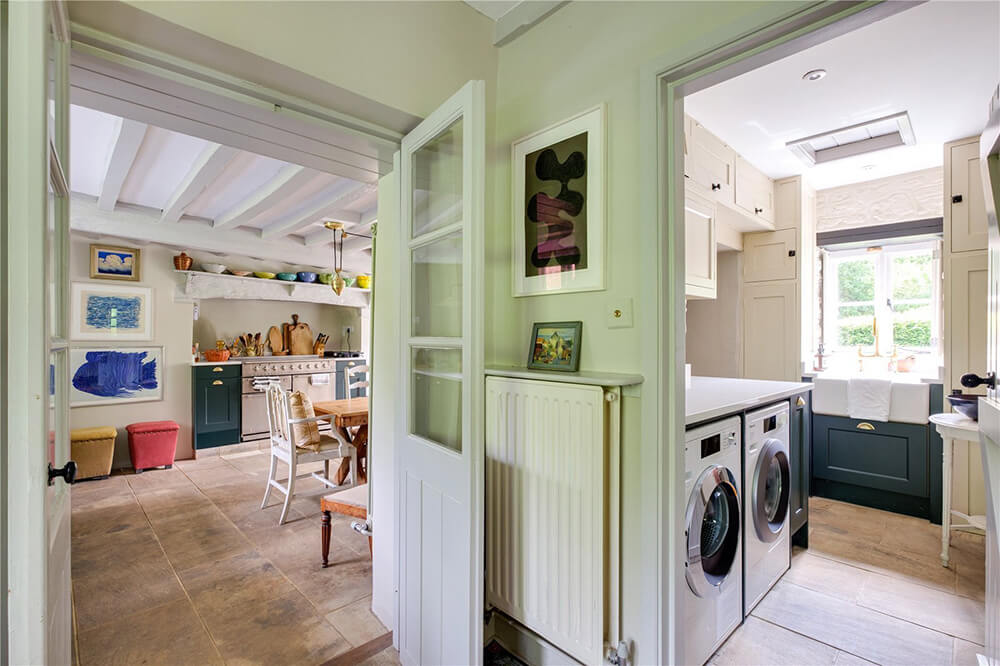
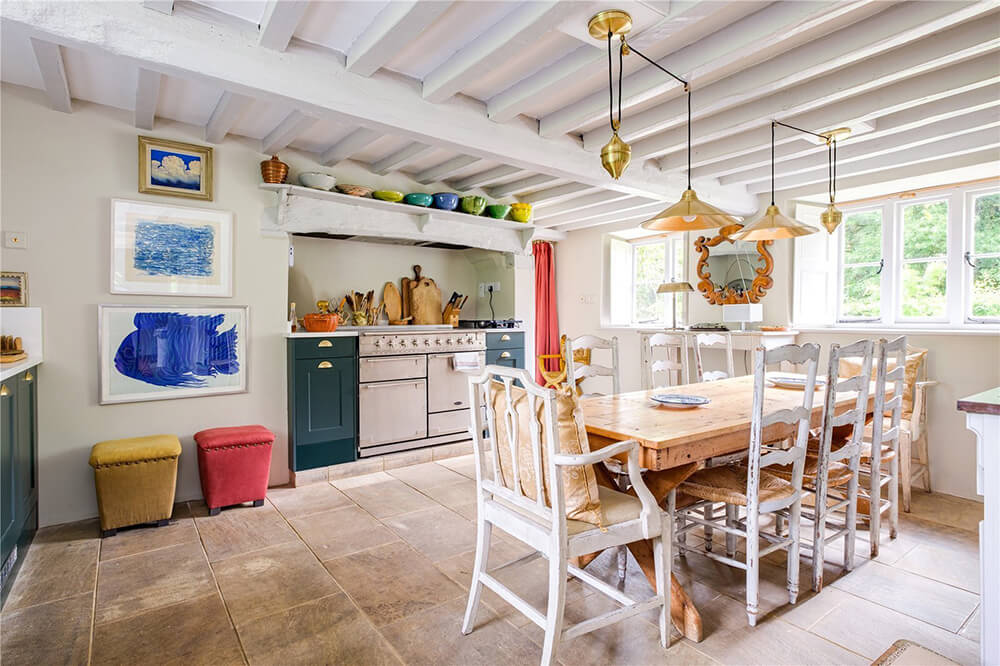
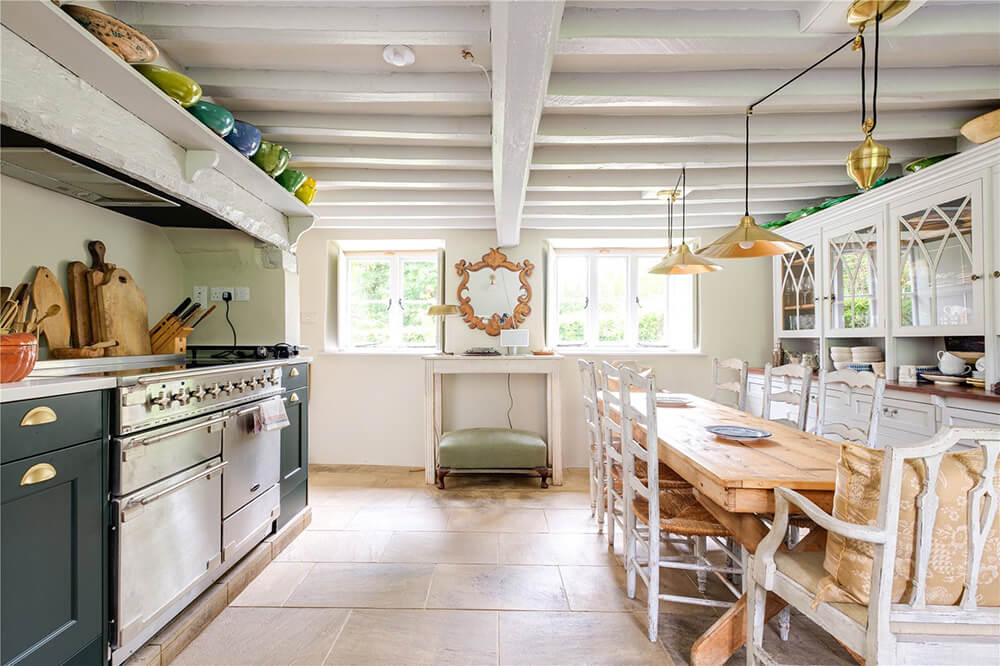
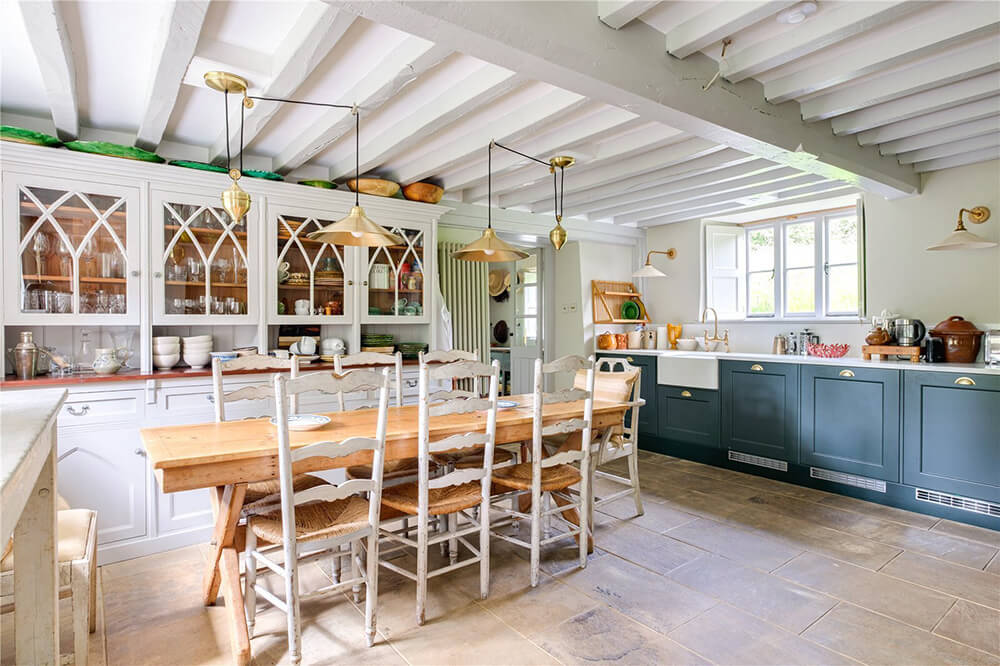
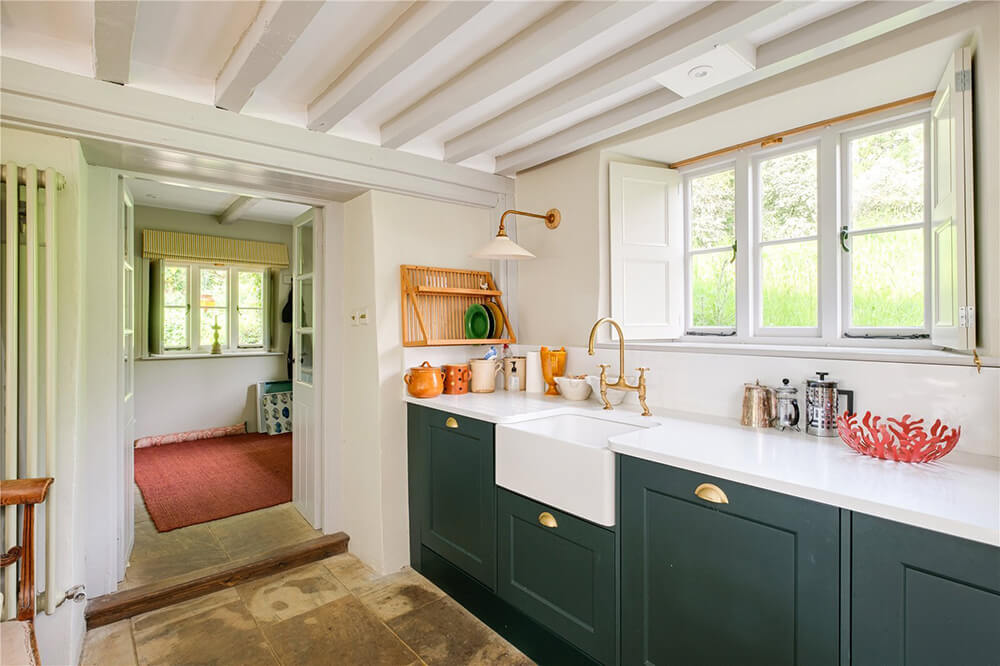
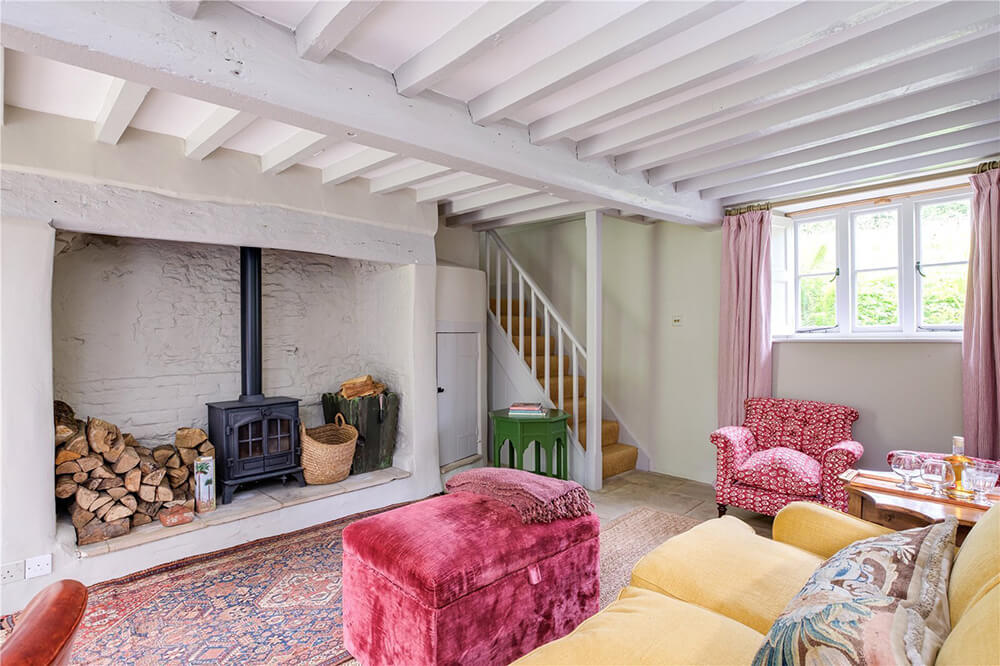
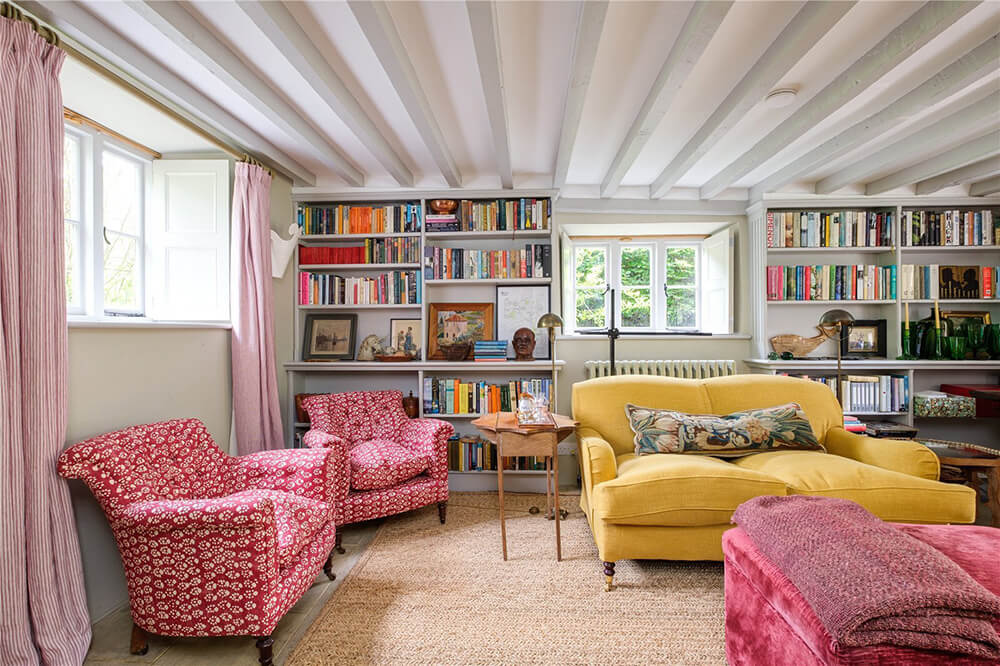
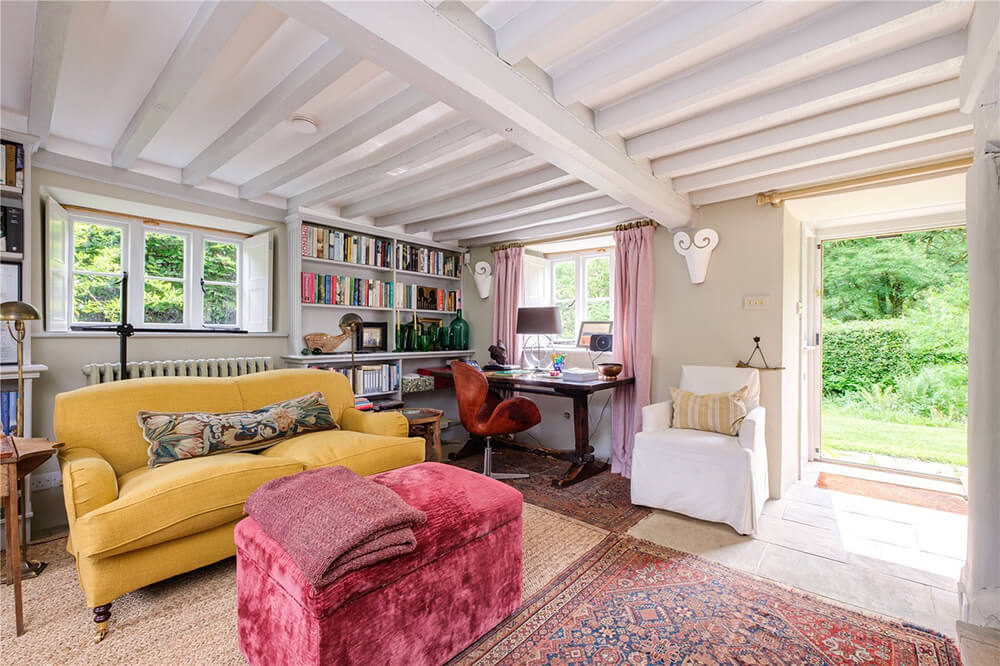
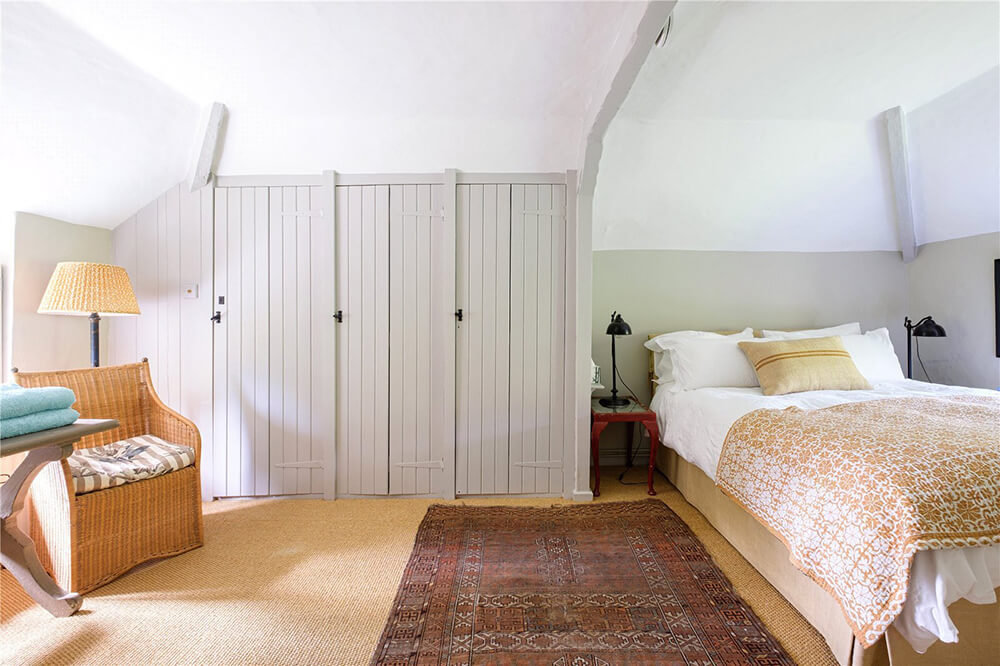
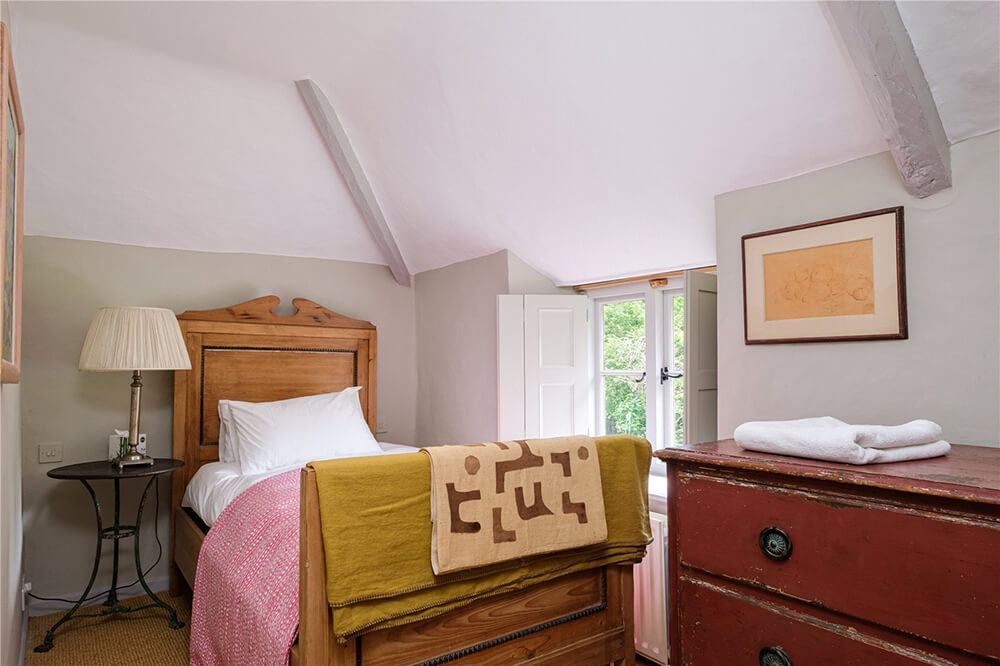
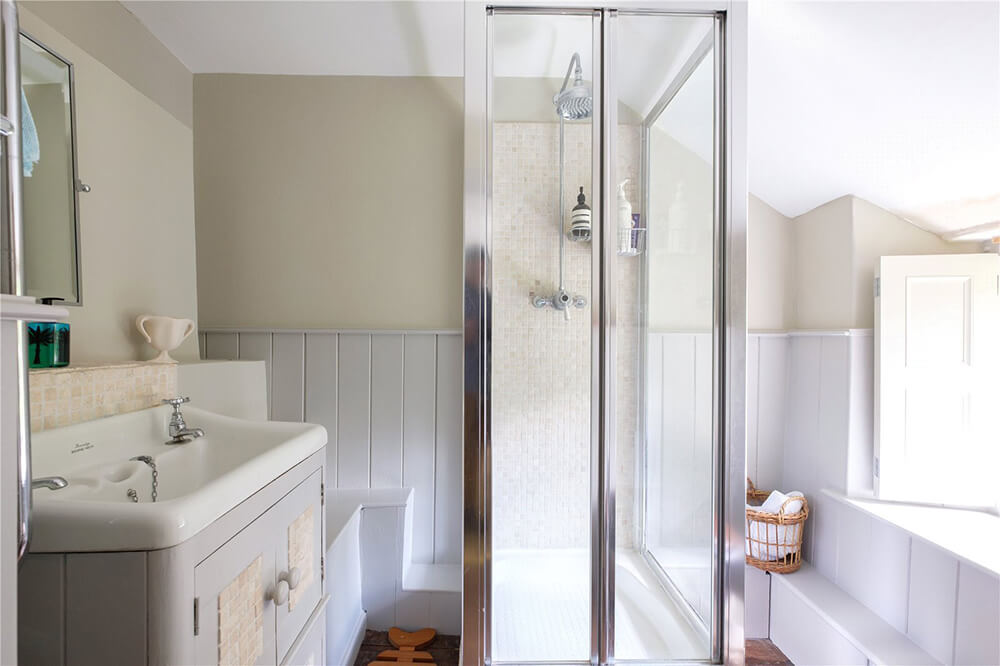
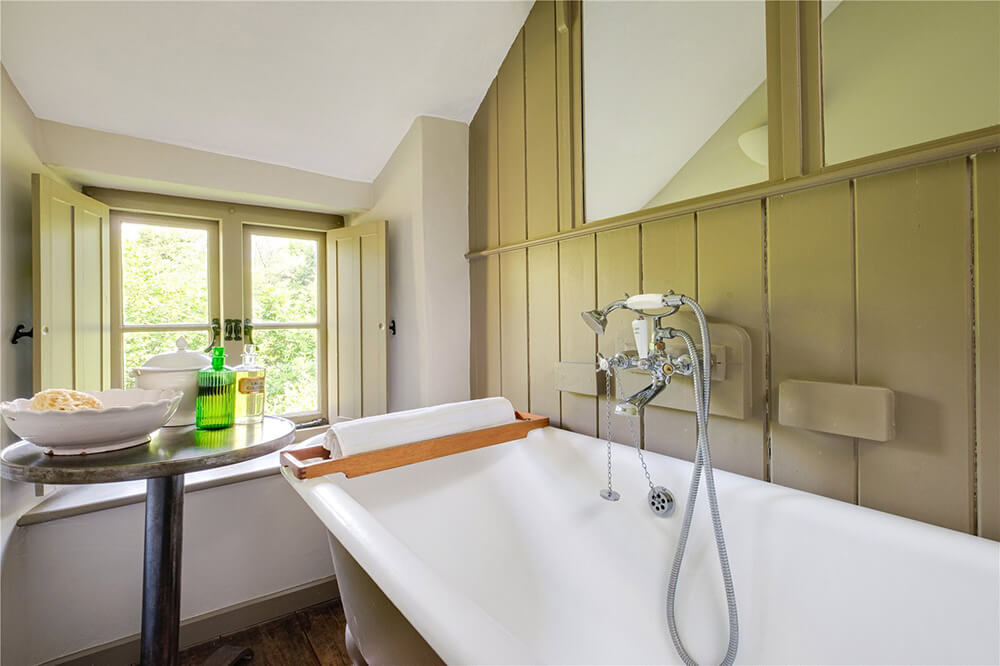
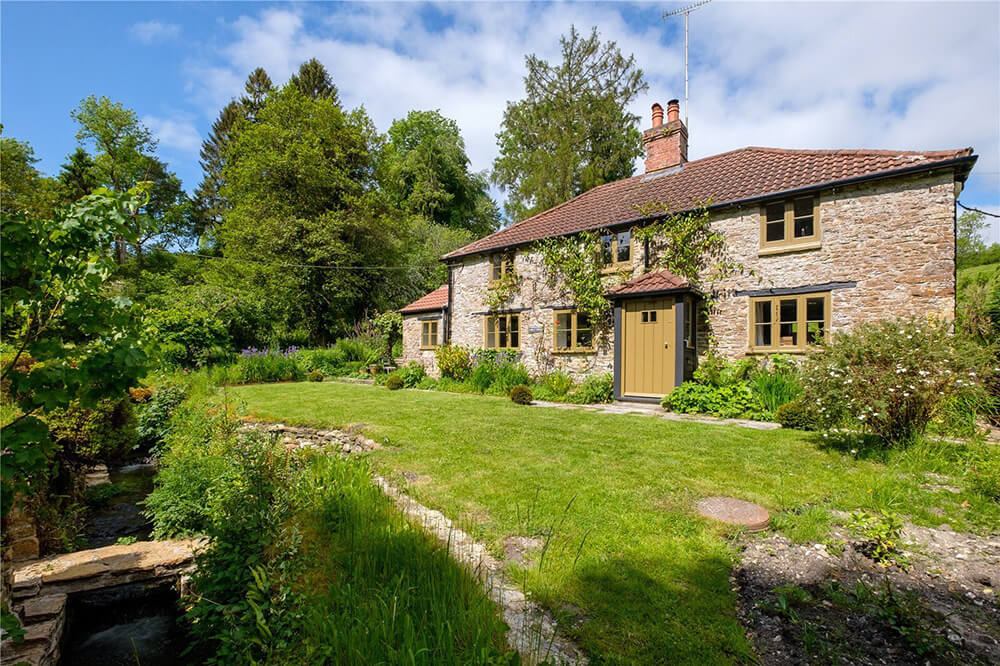
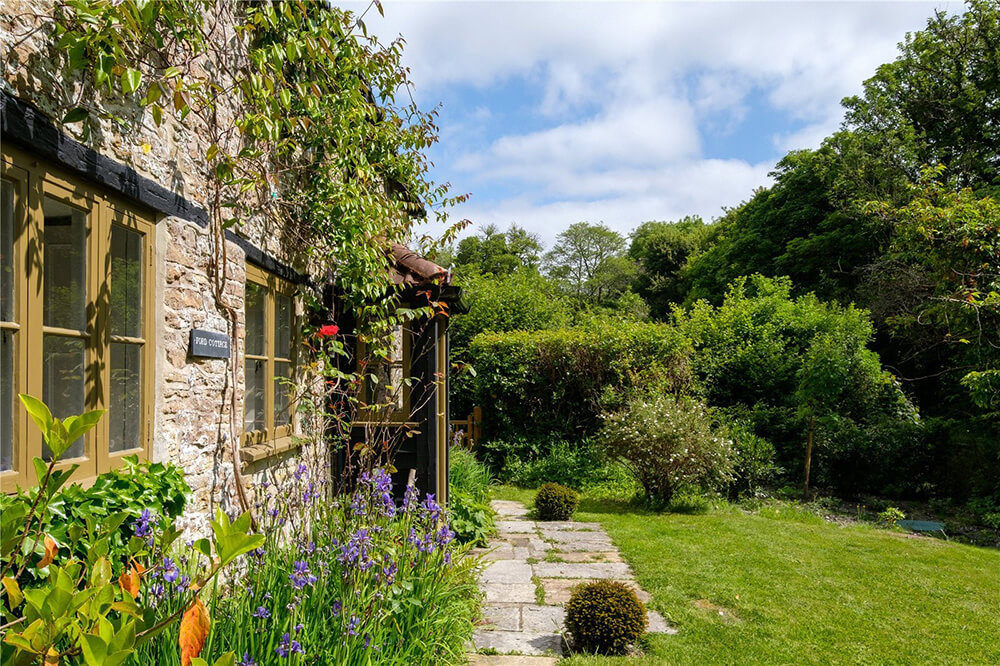
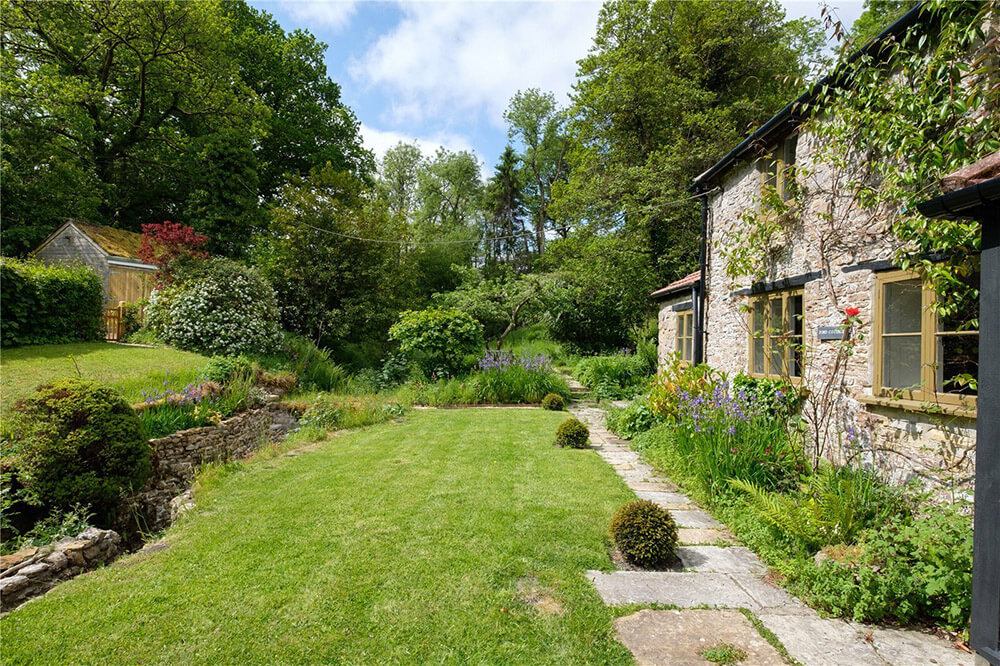
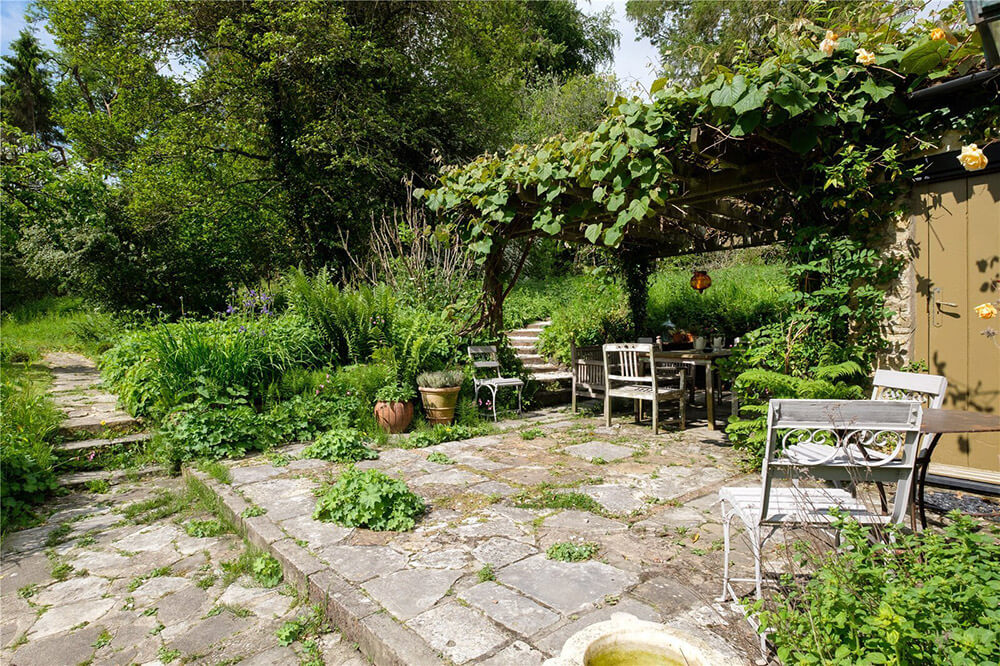
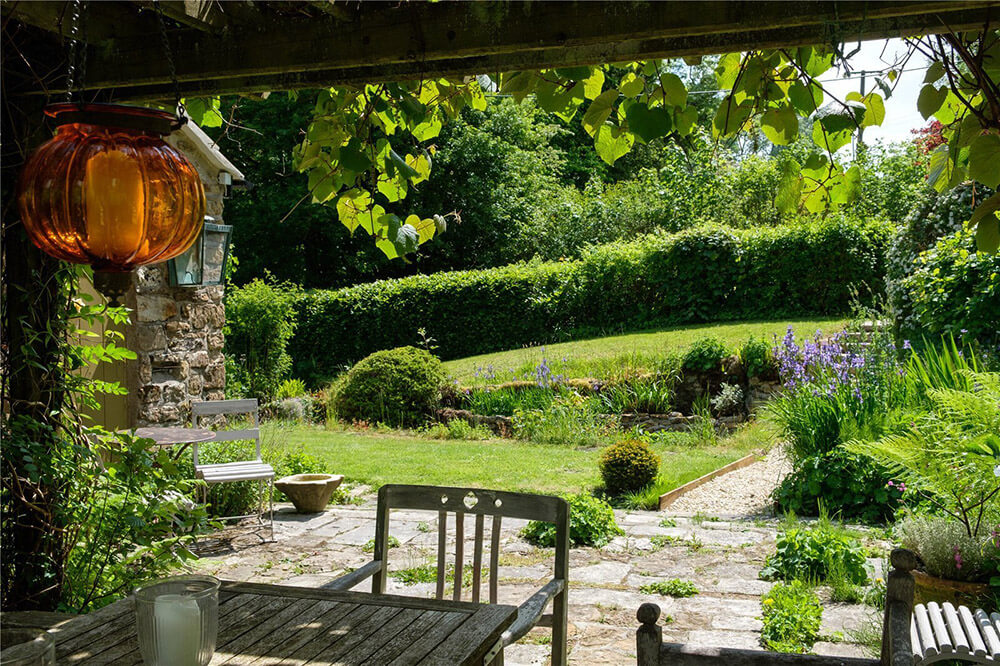
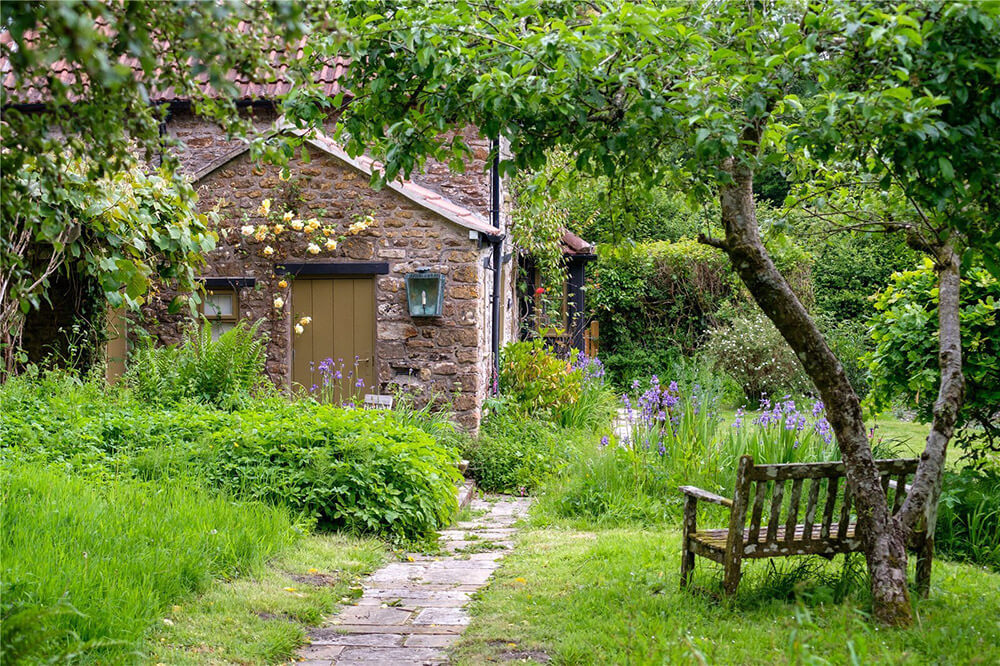
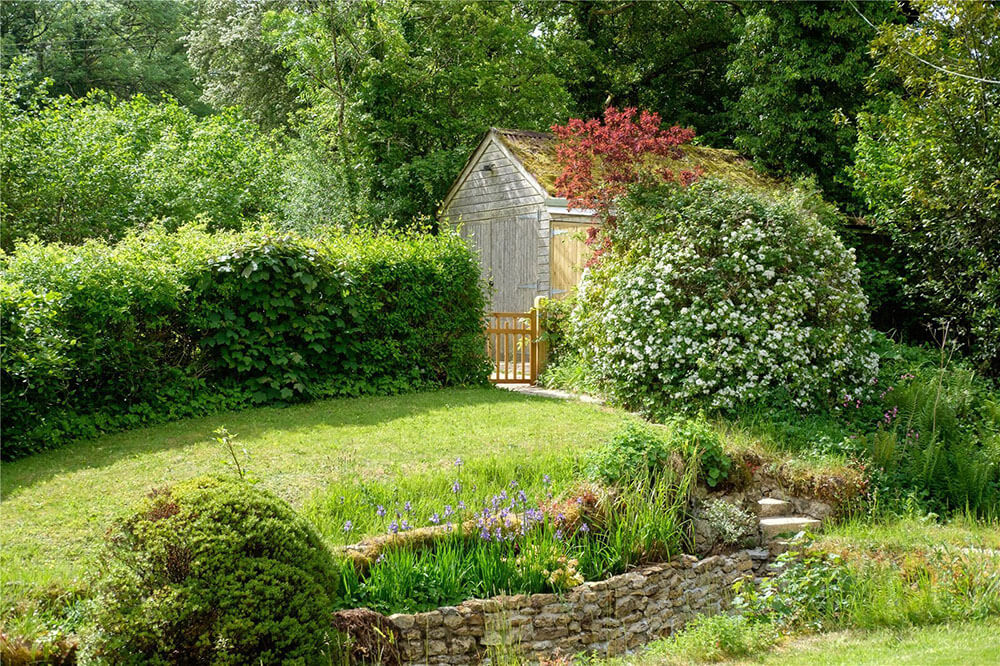
The only house at the end of the lane, Ford Cottage sits among woodland, streams and meadowland. This restored cottage in Dorset has 3 bedrooms, 2 bathrooms, wood beams, stone flooring throughout the ground floor, sitting room with a central fireplace and wood burning stove, two streams running through the gardens that meet at a waterfall that include several bridges, a dew pond, a terrace with pergola, and 2 garages. Where do I sign? I just need a barn for some 4 legged friends and I would be in heaven. For sale for £850,000 via Jackson-Stops.
A Martha’s Vineyard cottage
Posted on Fri, 14 Jul 2023 by KiM
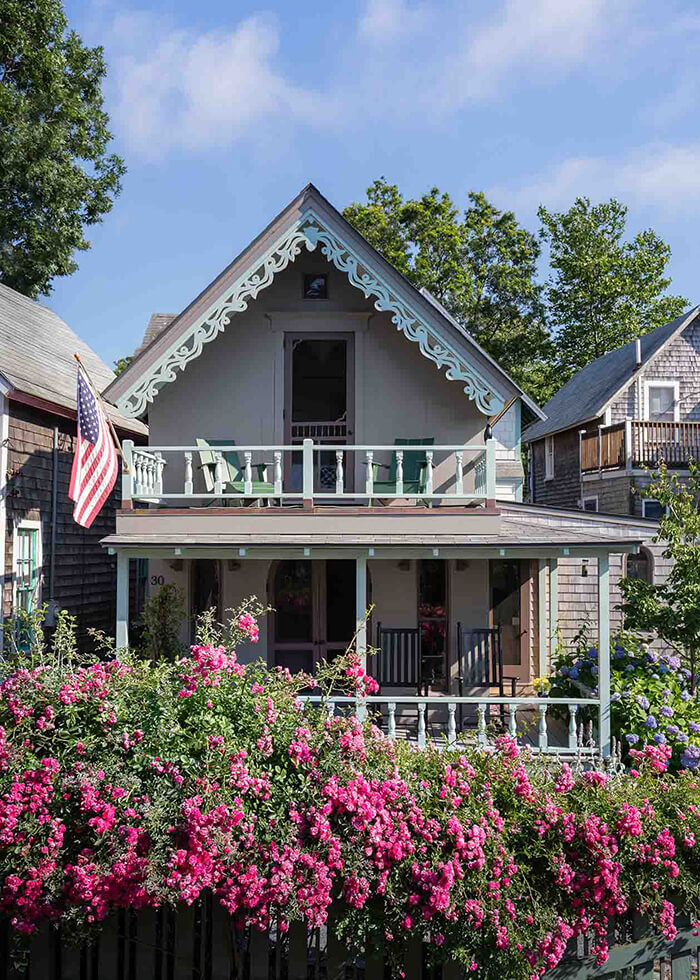
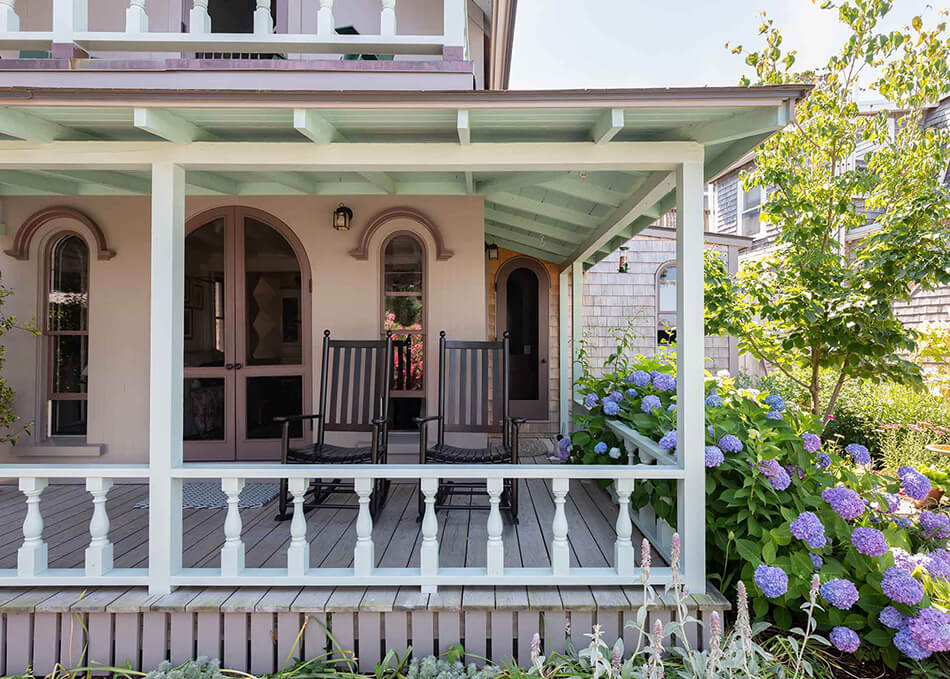
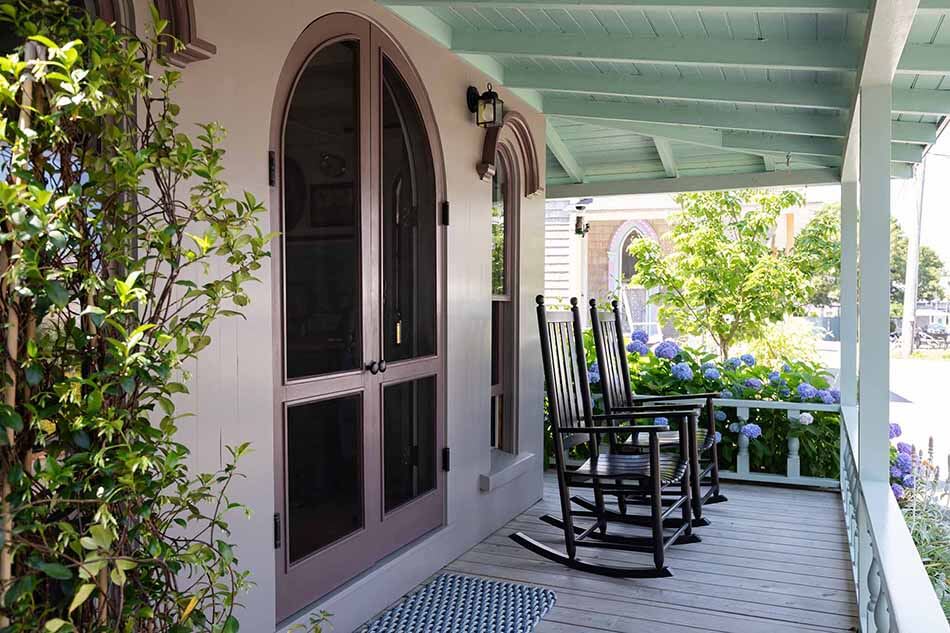
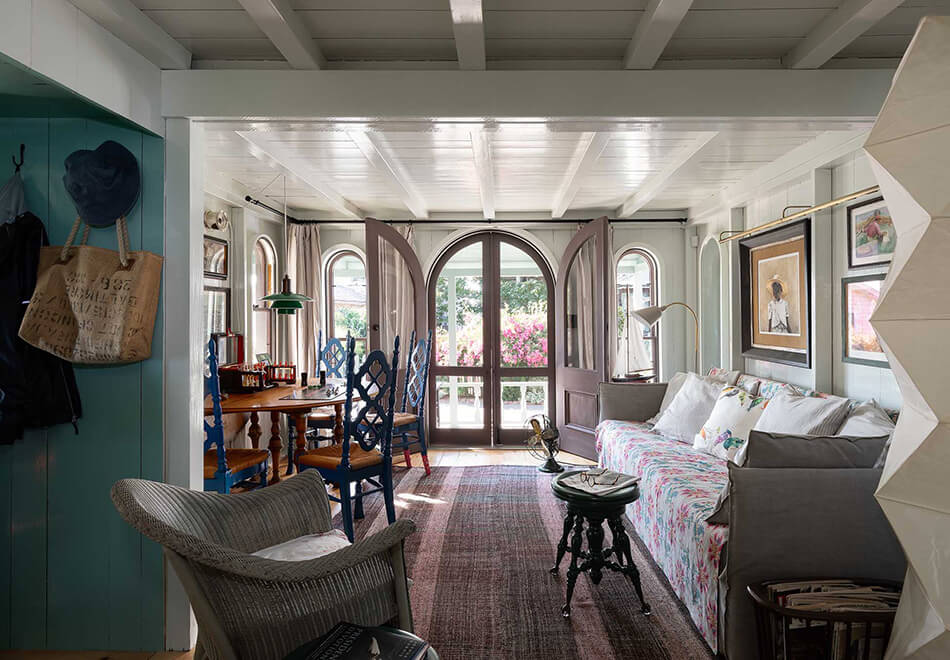
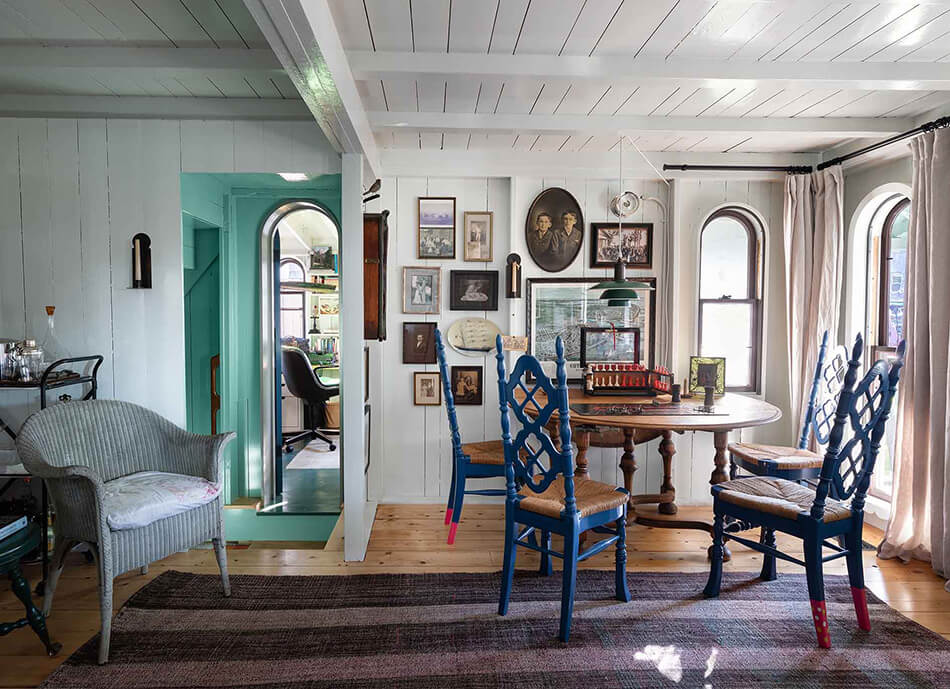
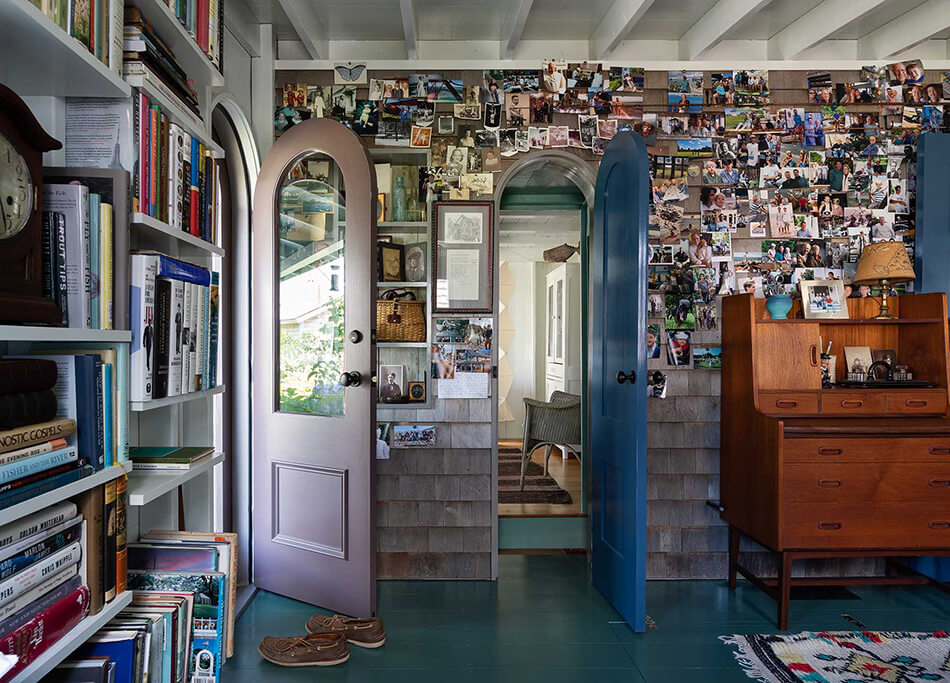
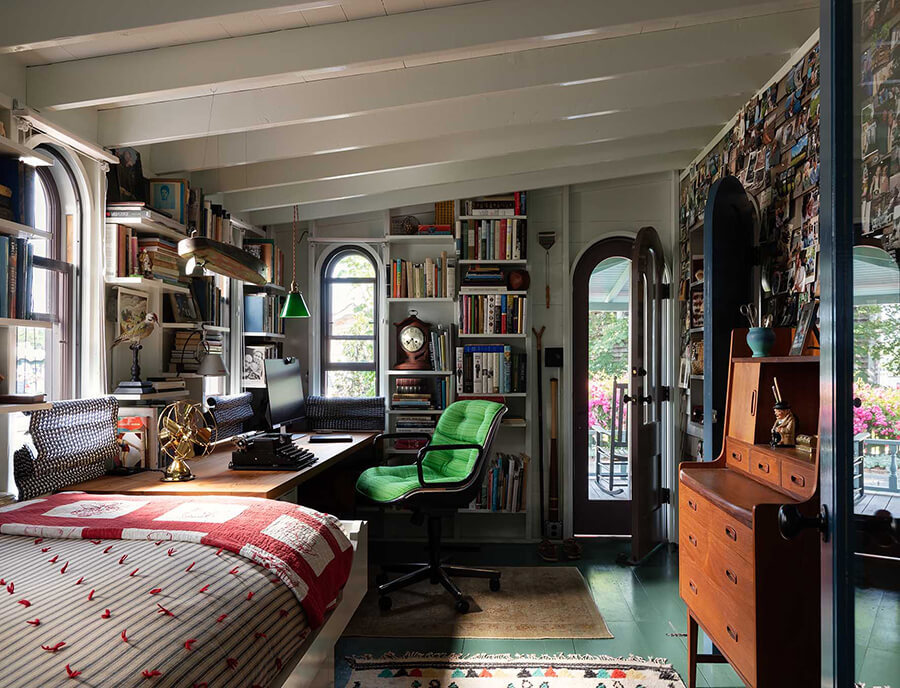
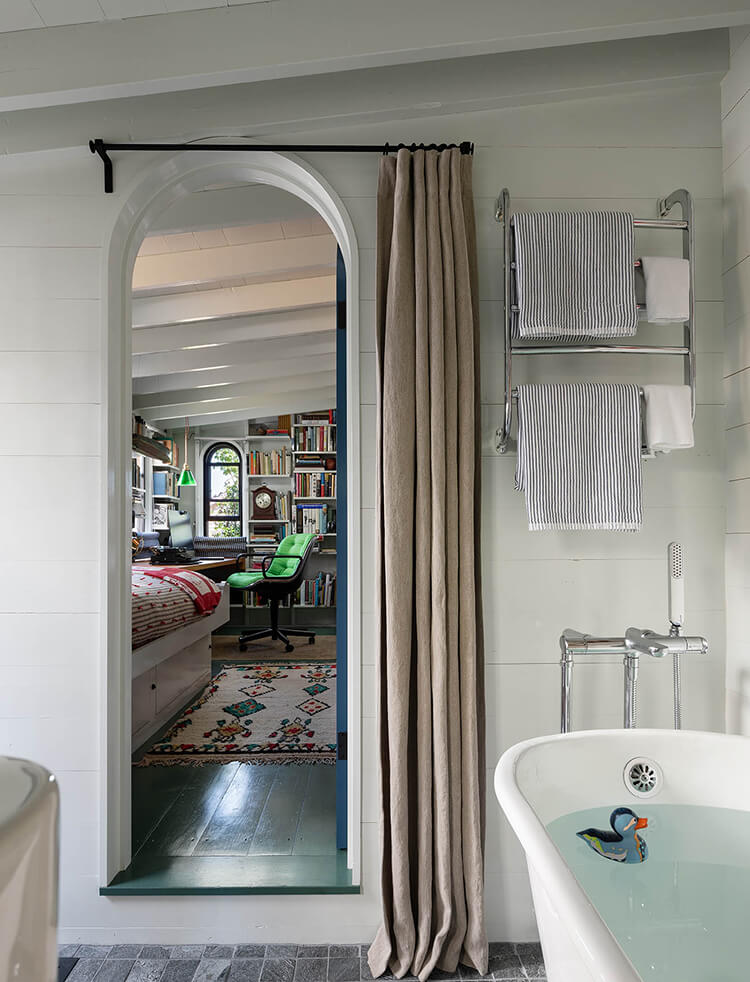
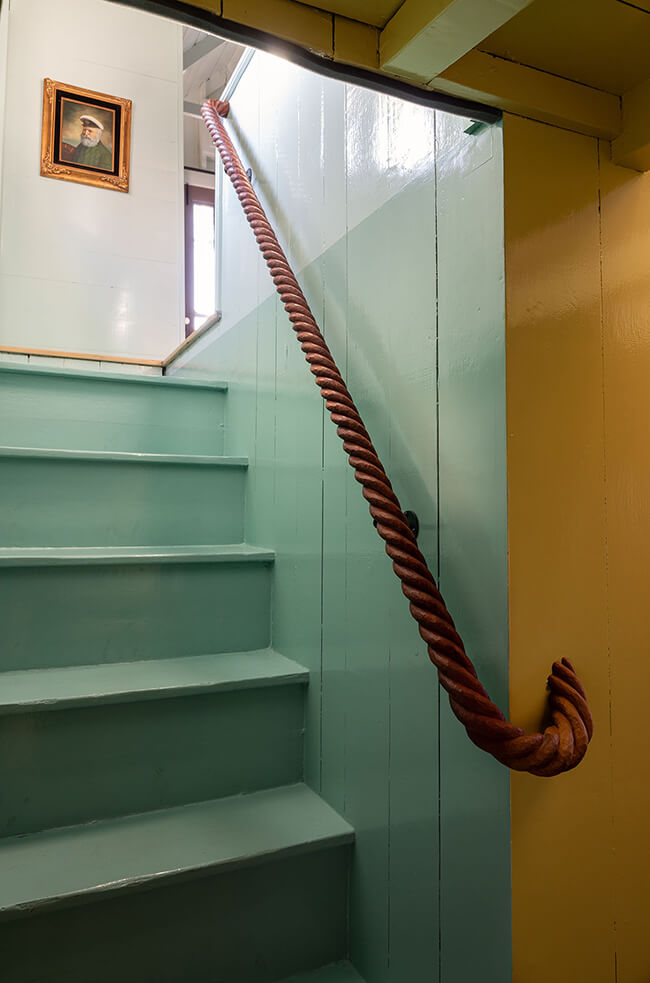
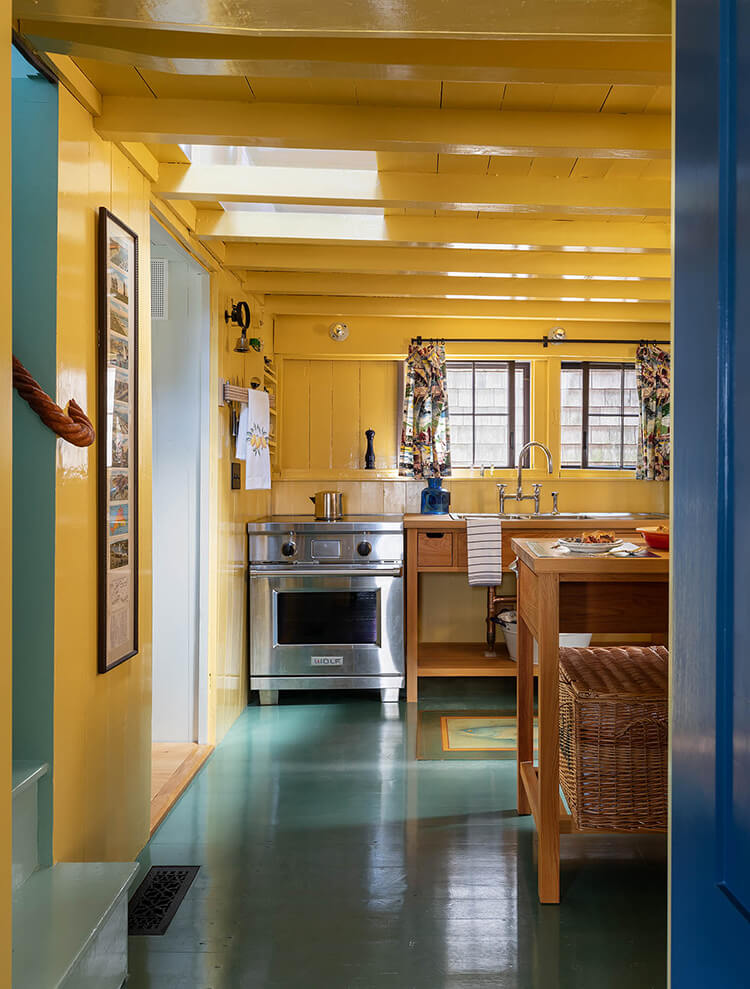
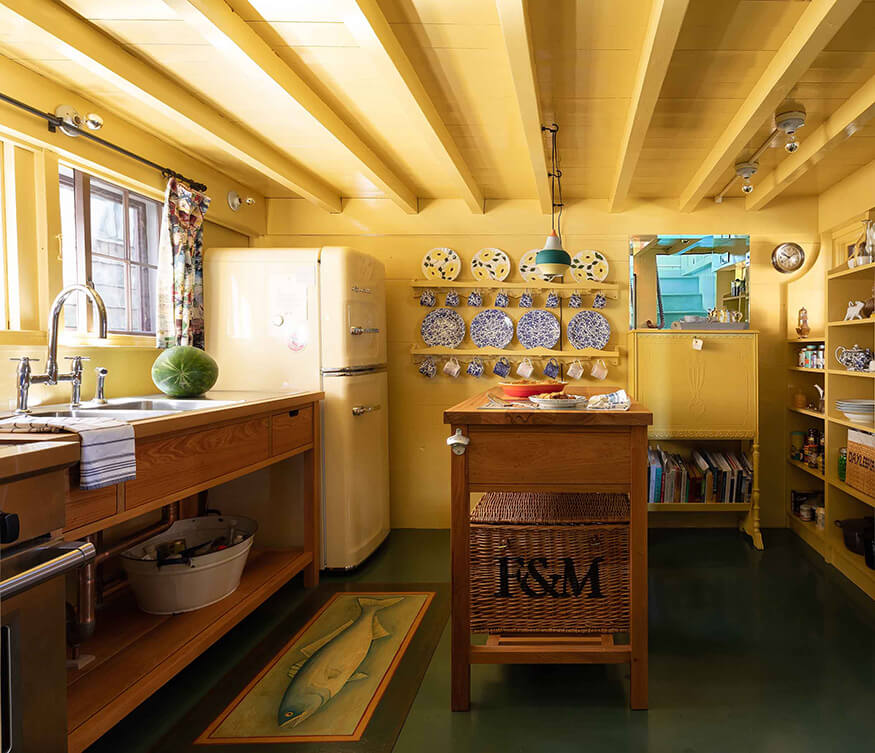
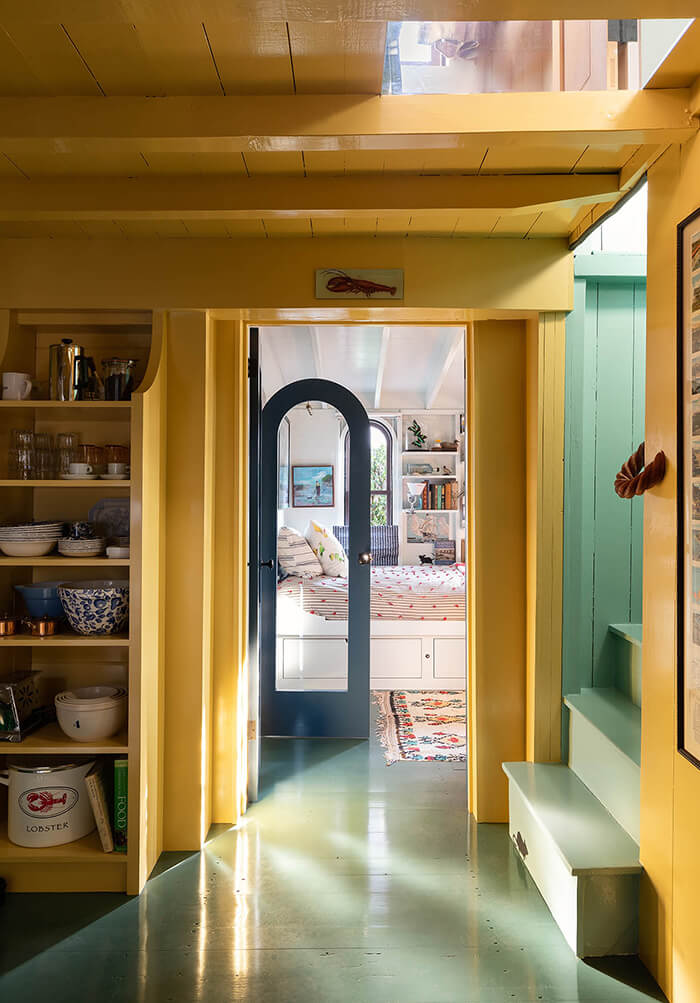
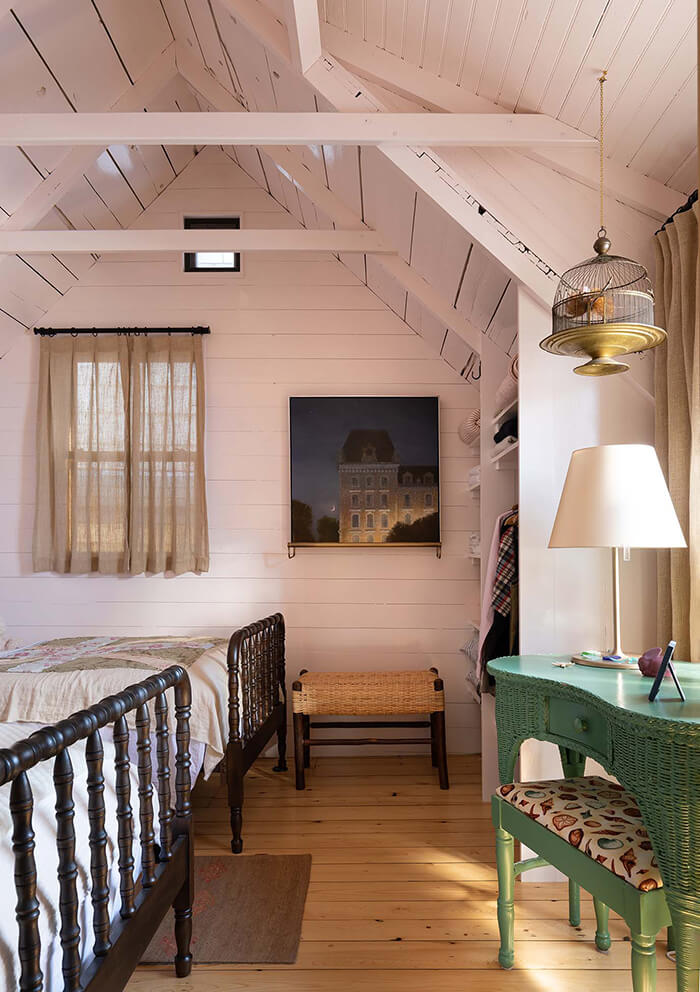
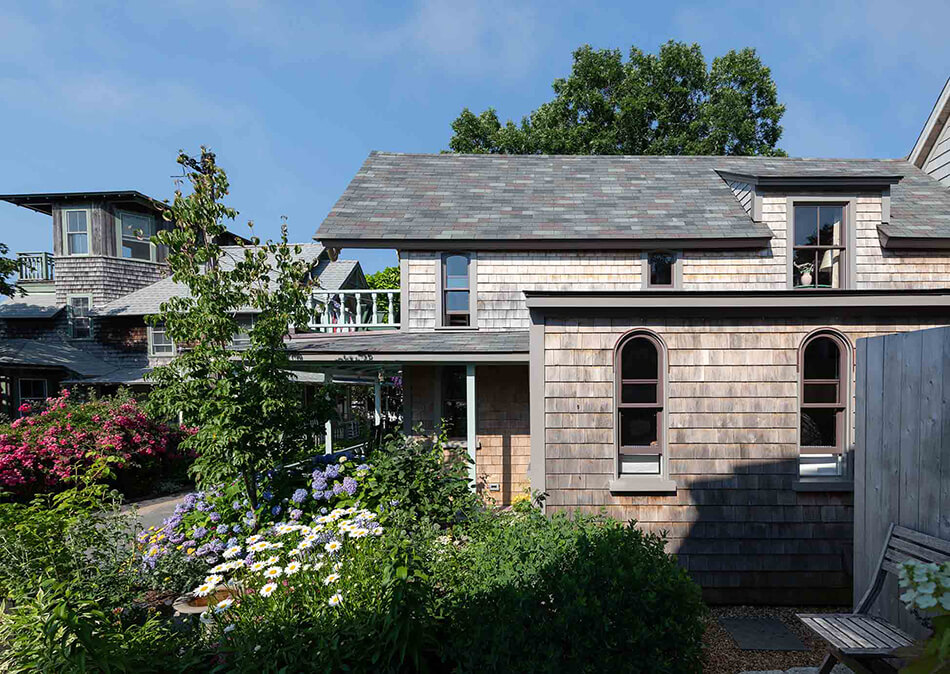
If I were to have a cottage in a place like Martha’s Vineyard, I would want it to be decorated exactly like this. Especially that yellow kitchen. Such a charming and incredibly inviting home that I bet allows for the most epic granny naps and games nights. Historic preservation + deep energy retrofit + interior design by Cuppett Kilpatrick.
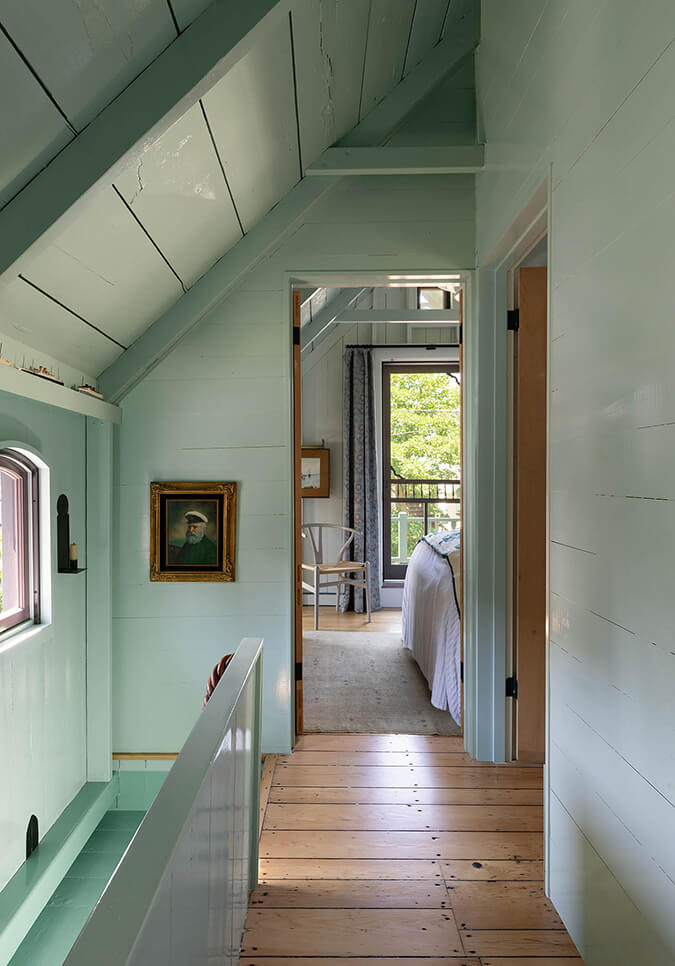
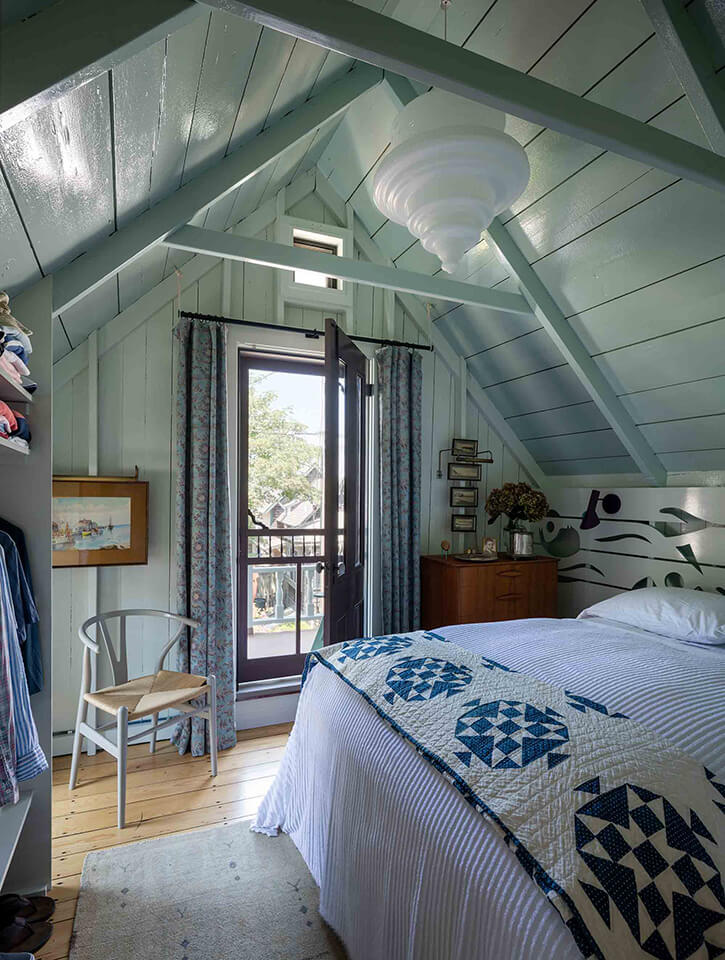
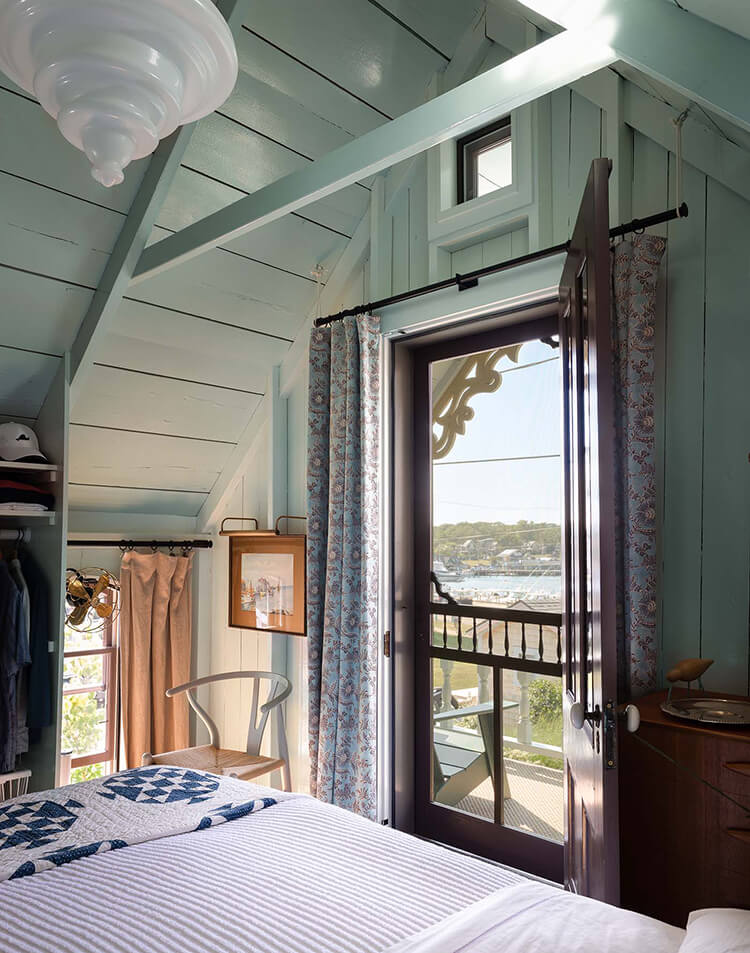
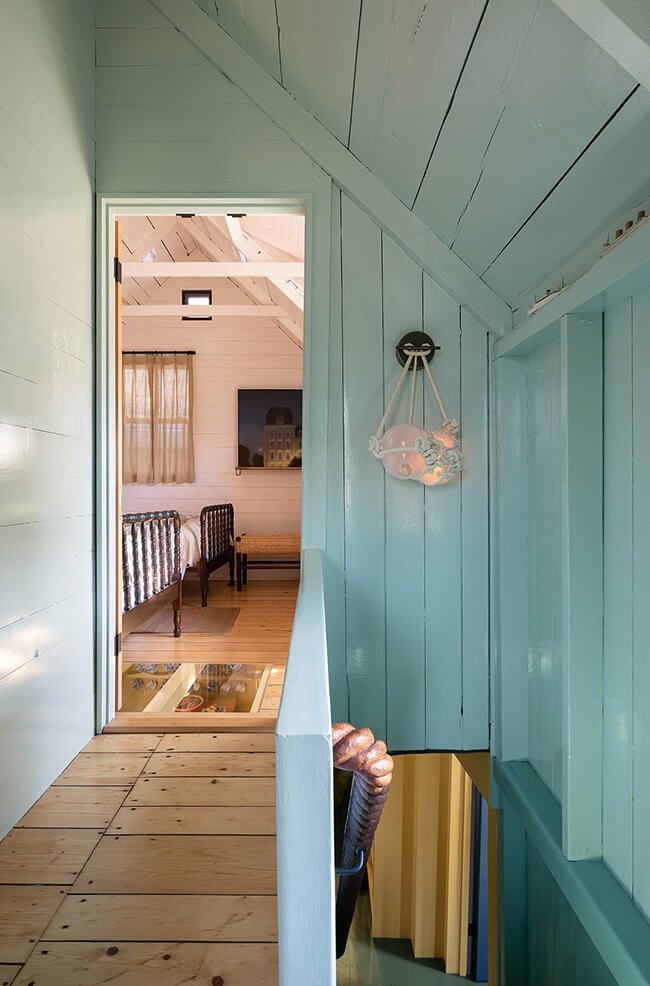
A collaboration of designers that resulted in a dialogue of opposites
Posted on Thu, 13 Jul 2023 by midcenturyjo
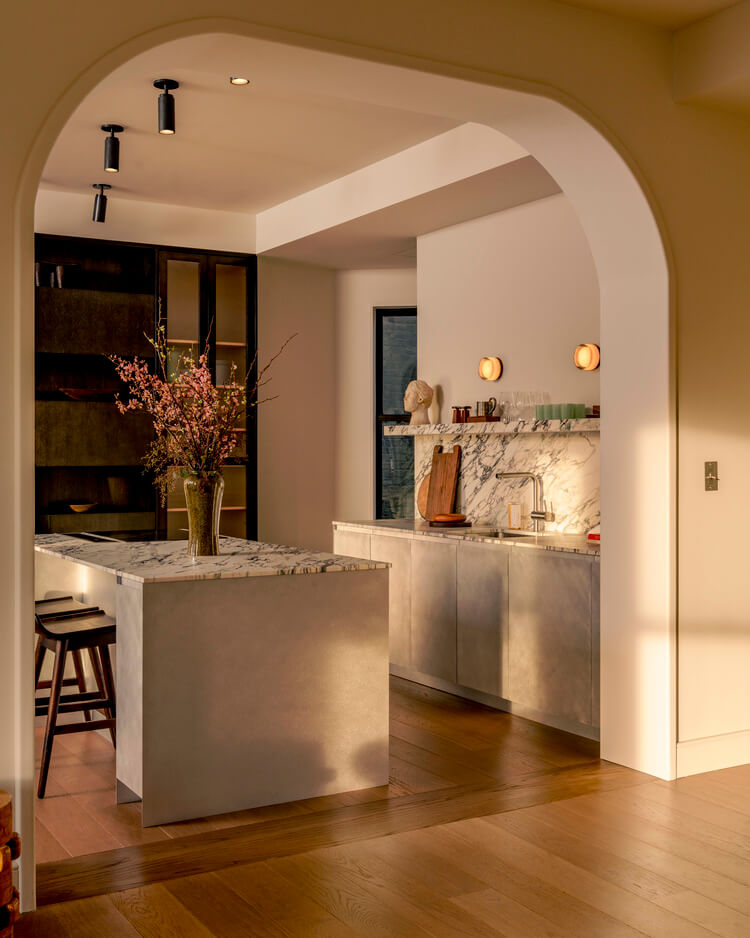
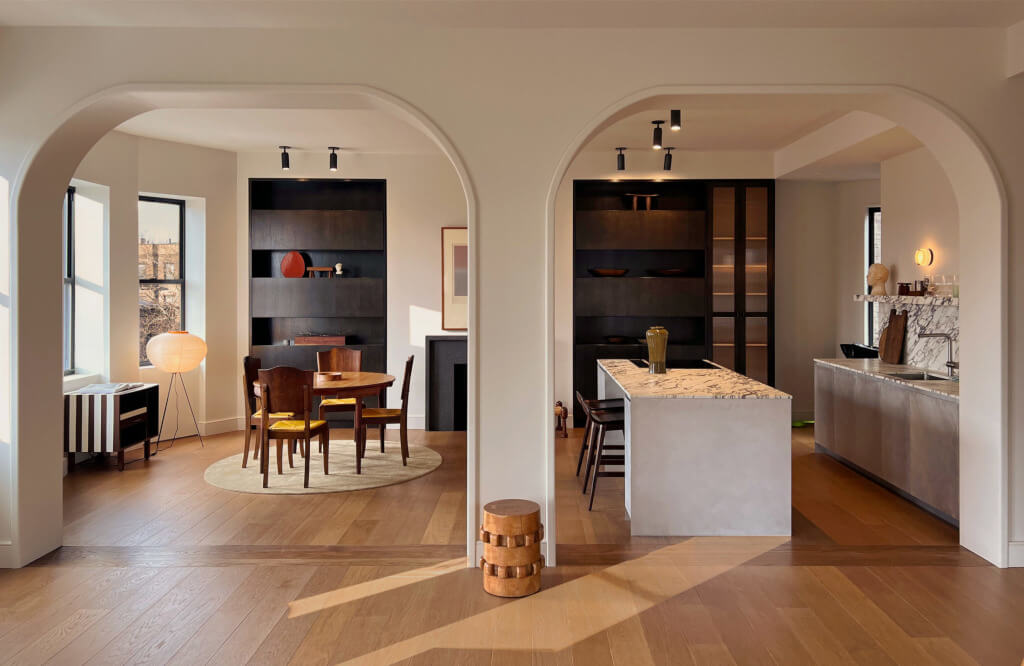
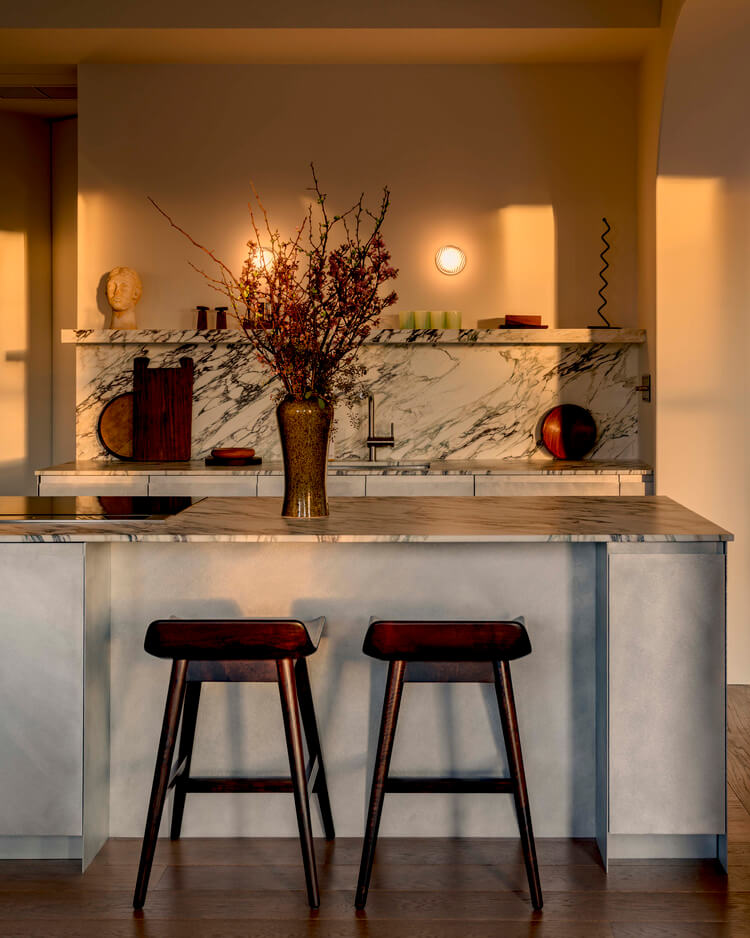
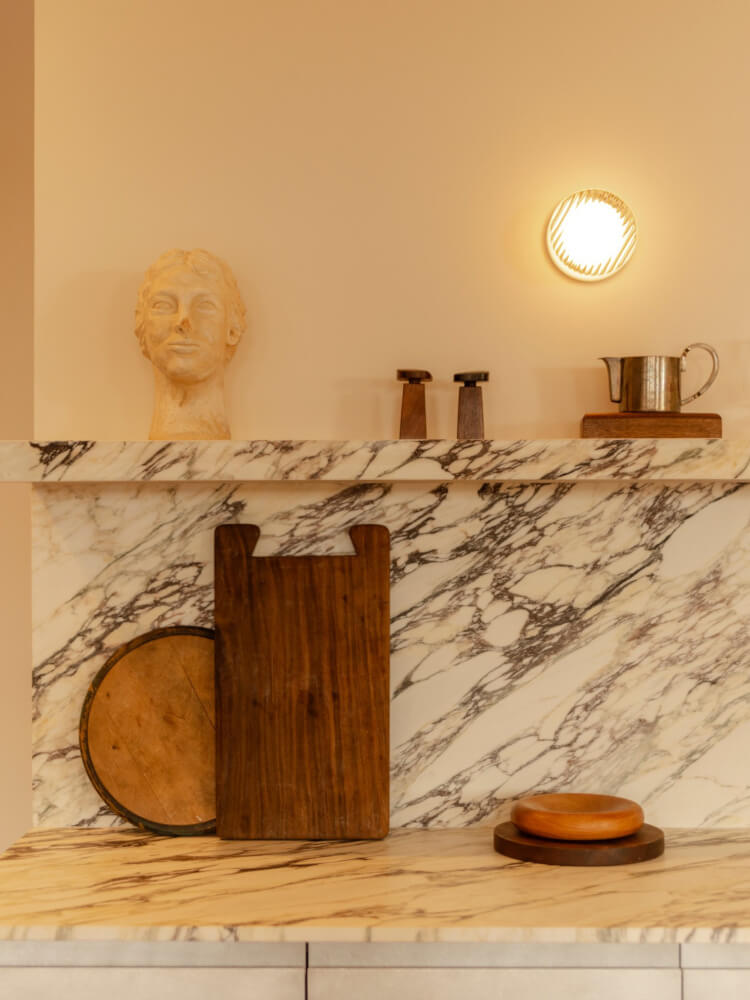
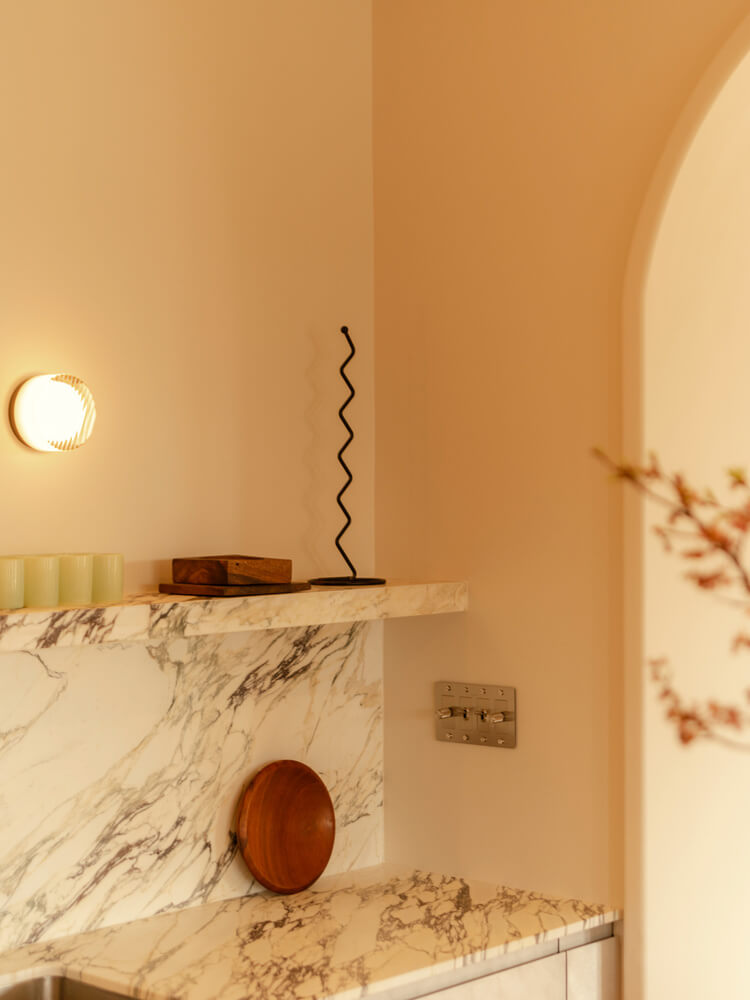
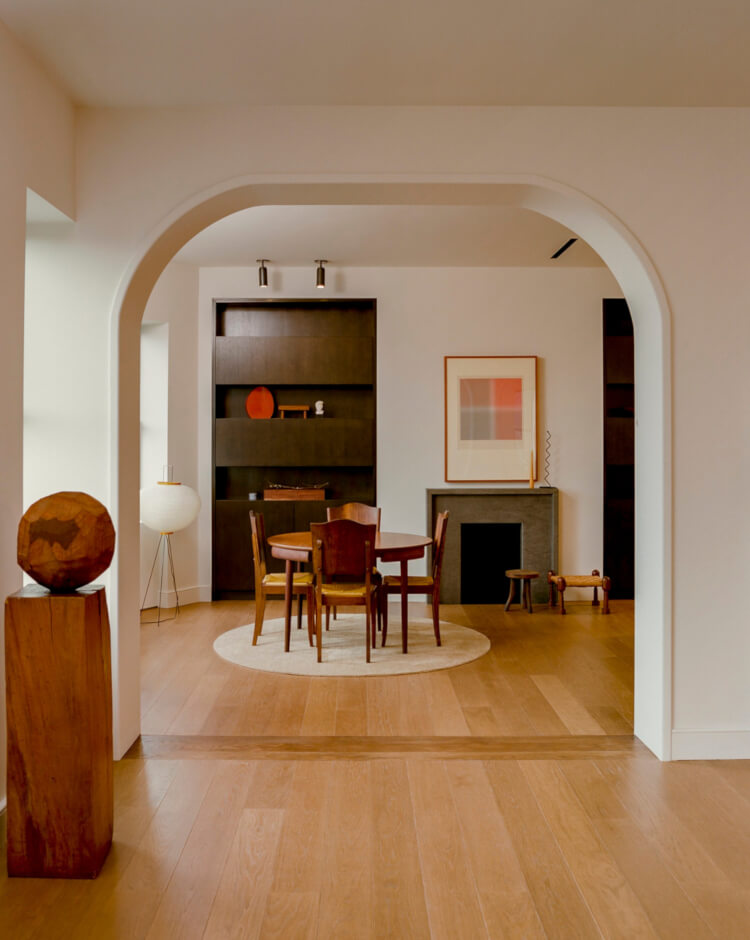
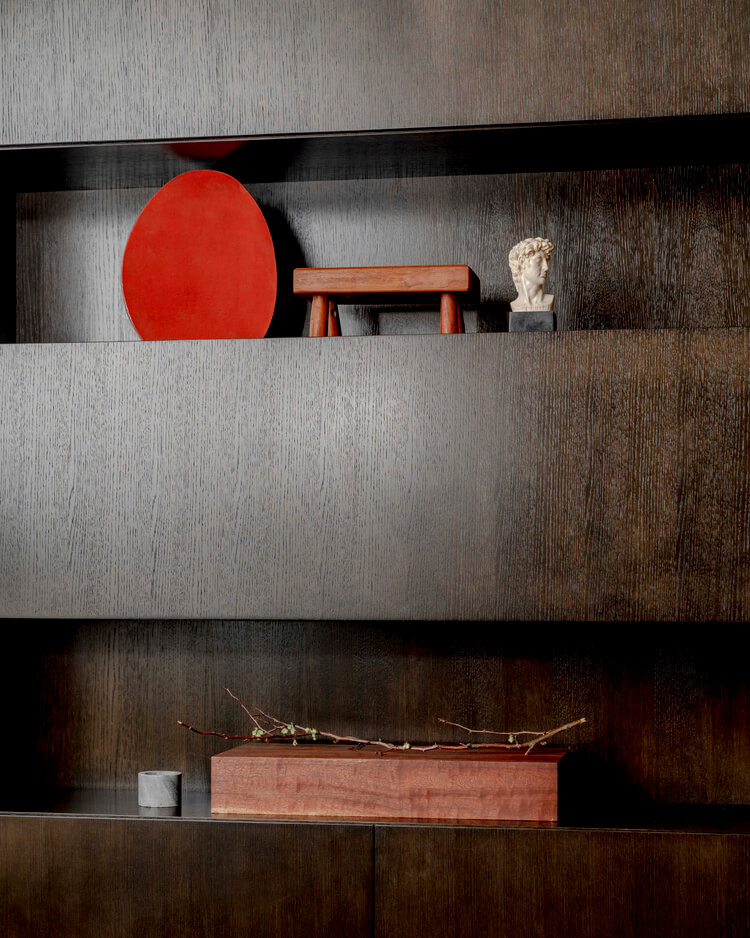
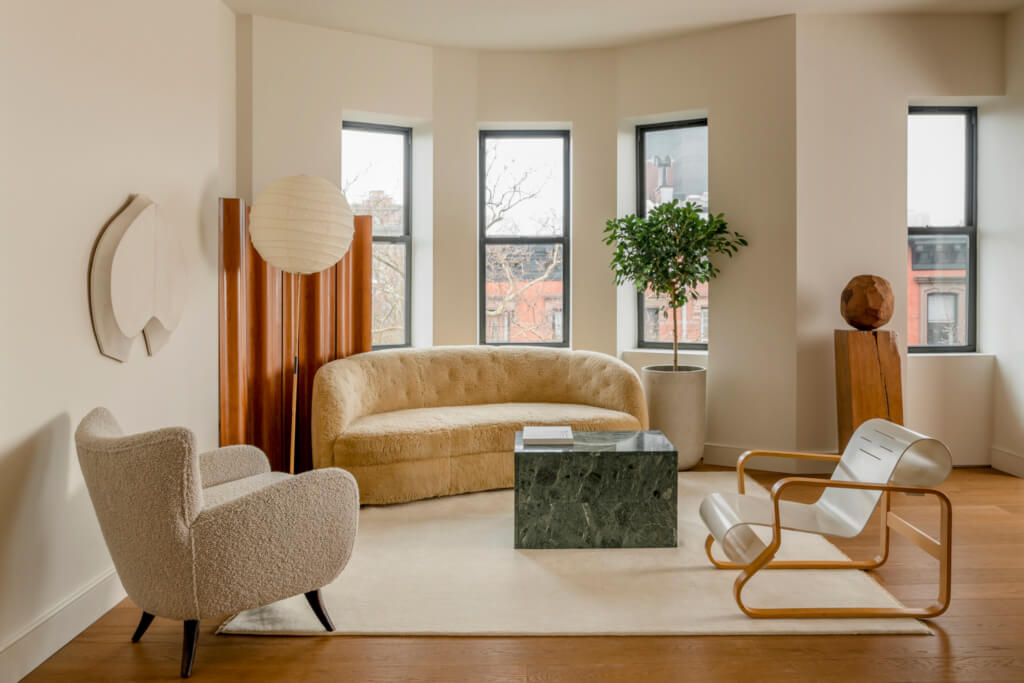
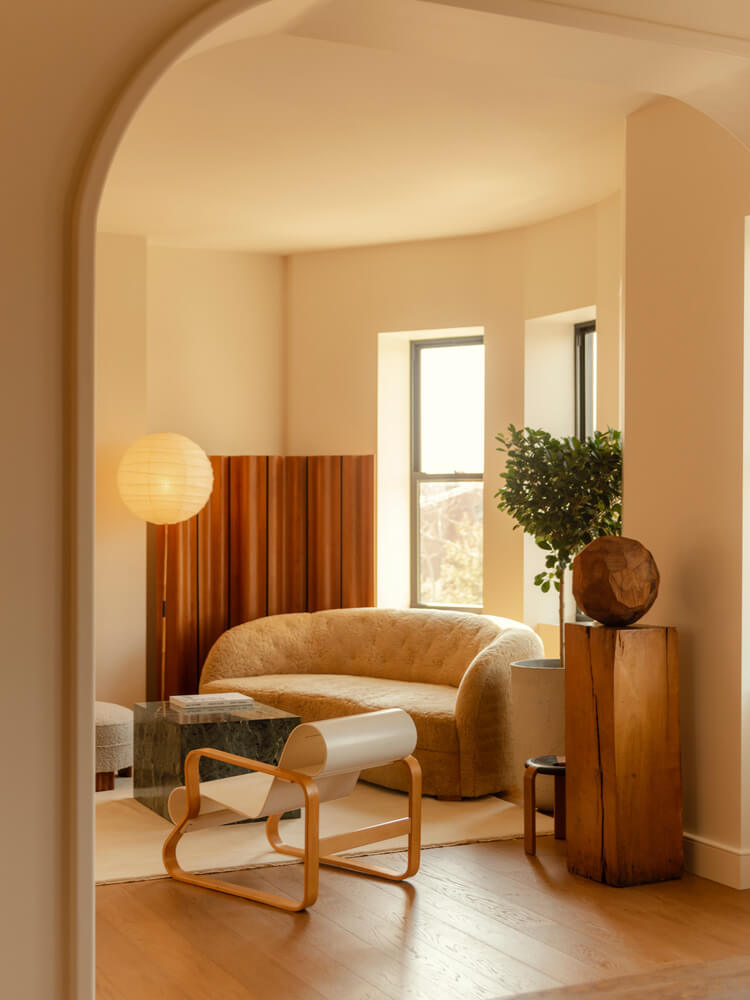
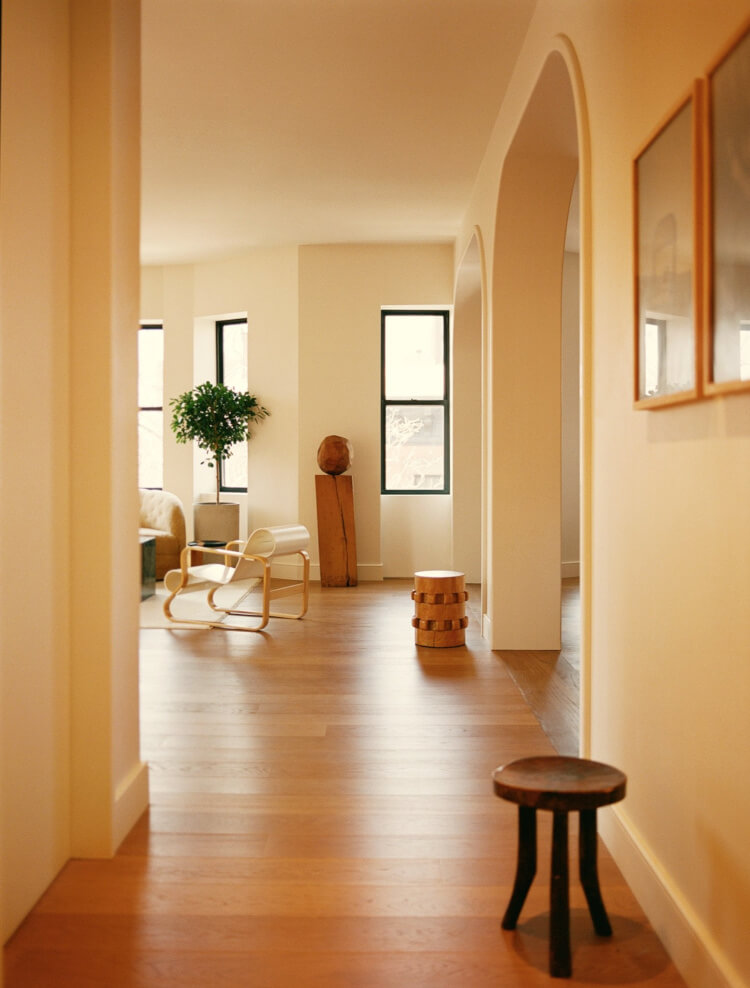
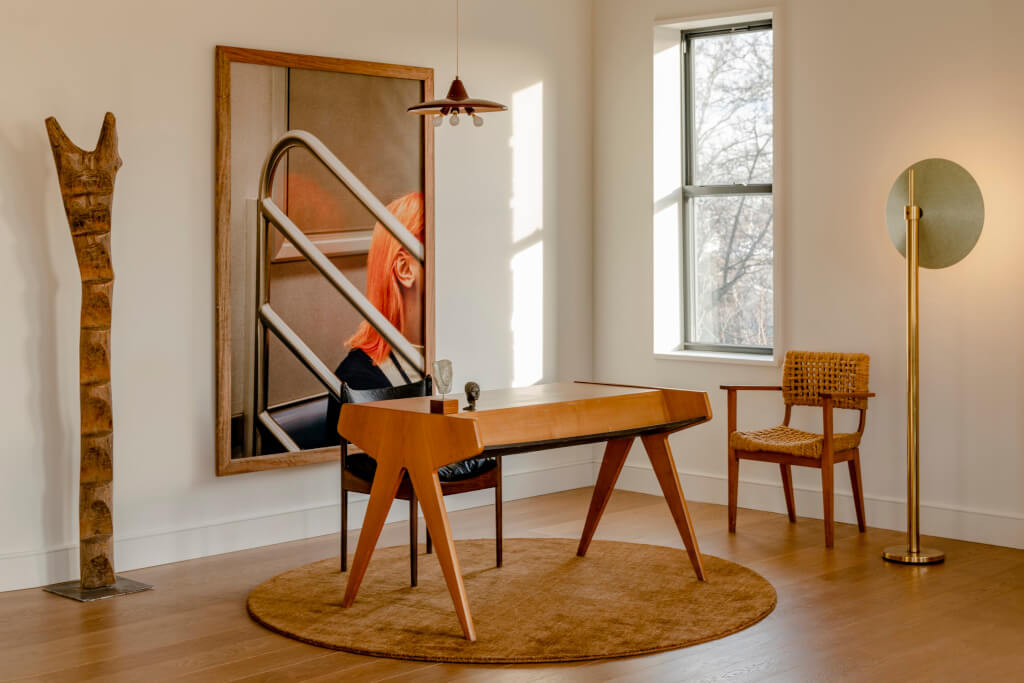
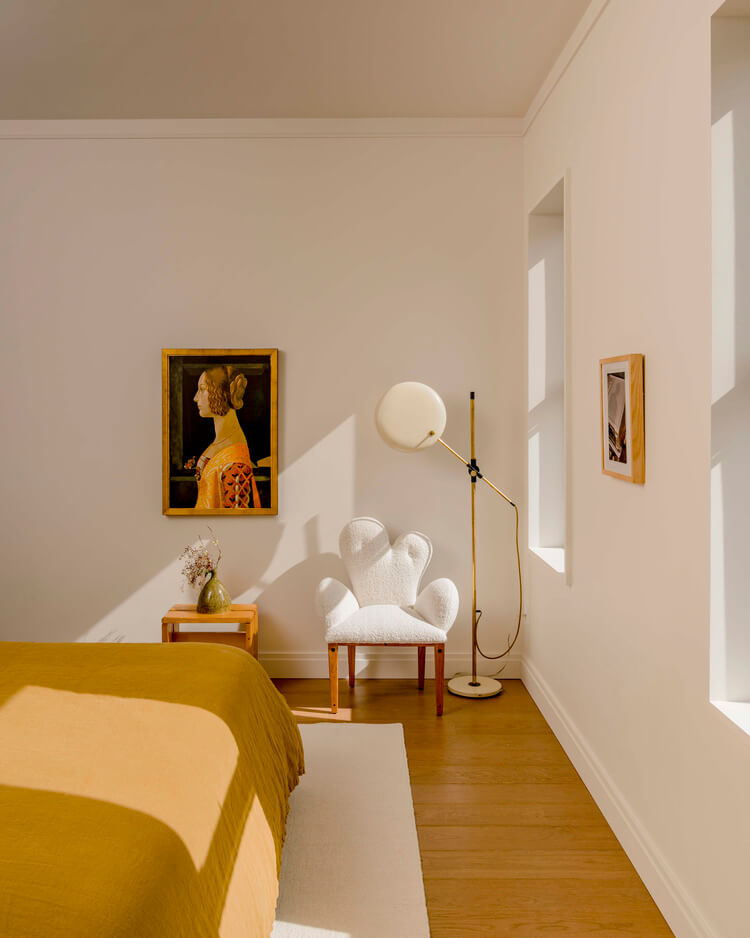
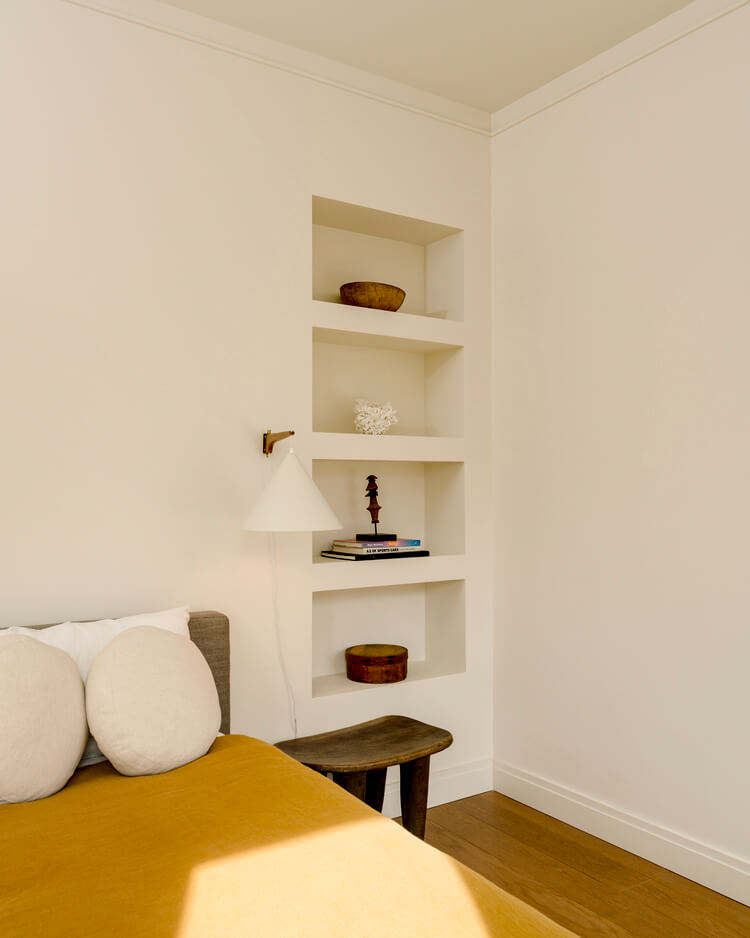
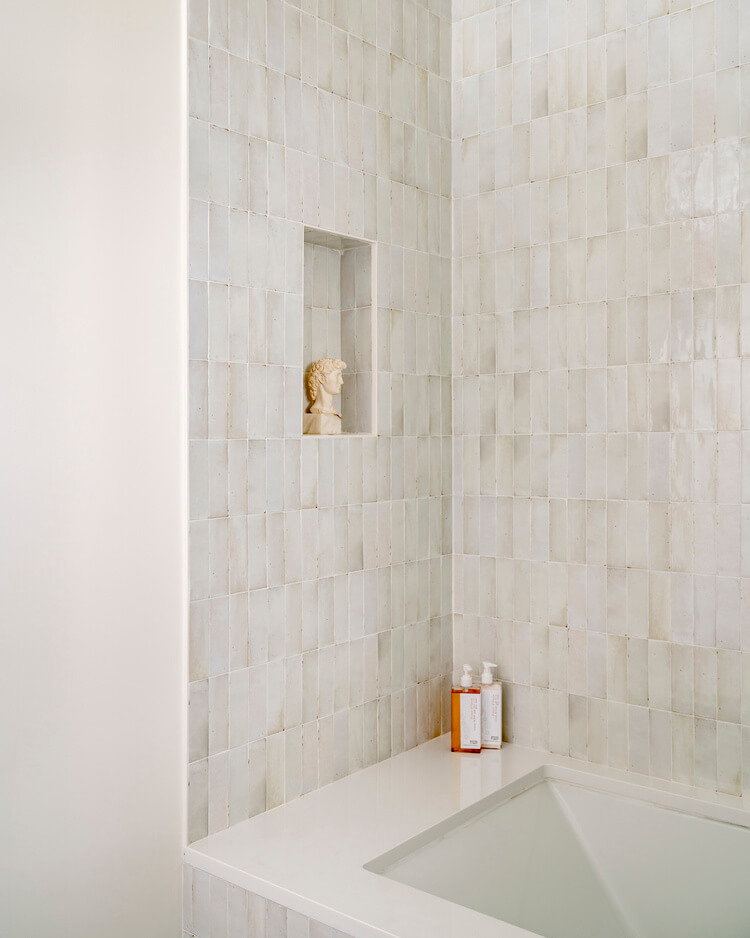
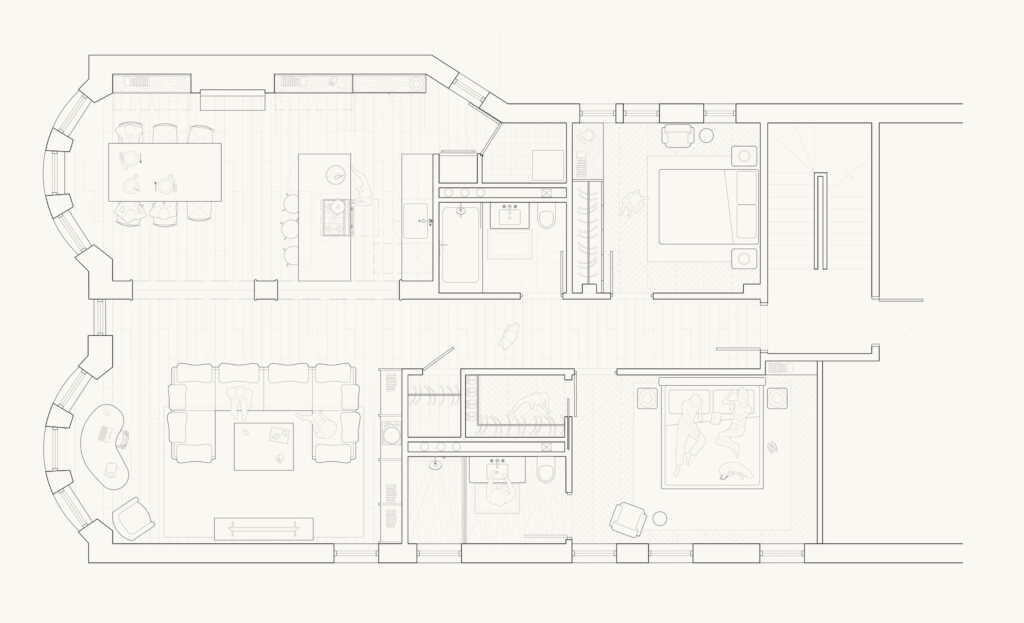
“An escape from the busy Brooklyn streets, the heart of the home was carefully curated. Keeping the kitchen airy and open, it was conceived as part of the living space with emphasis on the long marble shelf in place of upper cabinets. The shelf topped by two sconces serves as a backdrop showcasing the honed purple-green veined marble. The layout then allows the fridge to be tucked away from the dining room, leaving it unseen. The bedrooms were perceived as a moment of serenity with integrated open shelves and an ensuite walk-in closet and bathroom. An operable skylight was introduced in the second bedroom, allowing even more light to flood through the 16-window corner apartment. With adaptability in mind, an alternative floor plan was conceived, allowing the addition of a 3rd bedroom with minimal construction. The living space then remains open, boasting the two historic bay windows overlooking Amity Street.”
There is nothing better than a collaboration between designers. Two points of view, two life experiences, two design ethoses working in harmony. A dialogue of opposites was the main theme behind the creation; minimal but warm, understated yet rich. 173 Amity by Elma Akkari and Rawan Muqaddus.
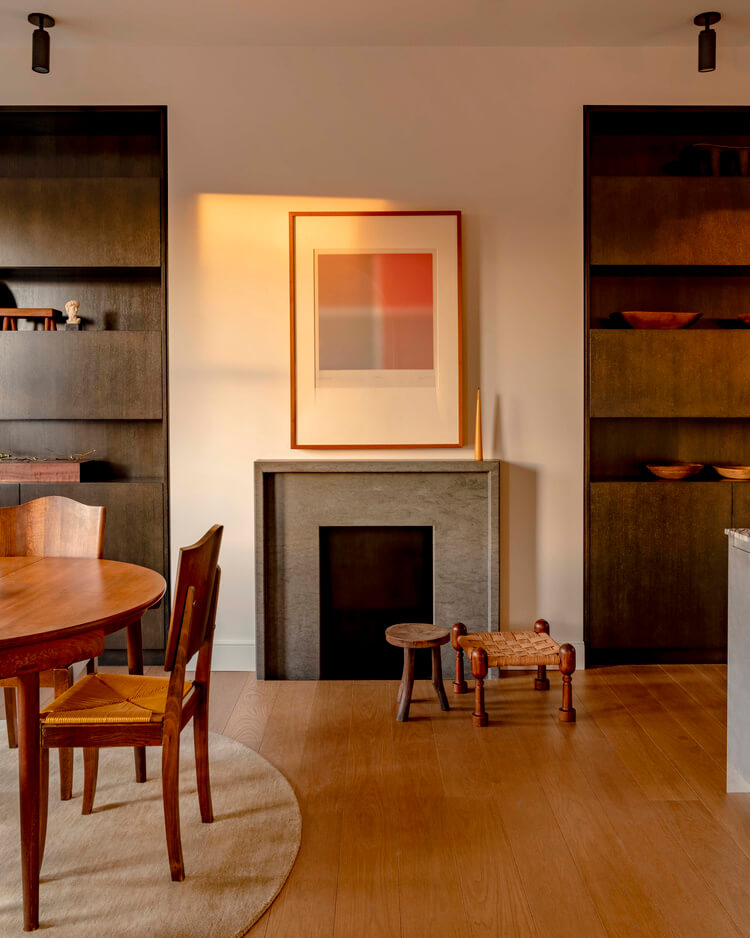
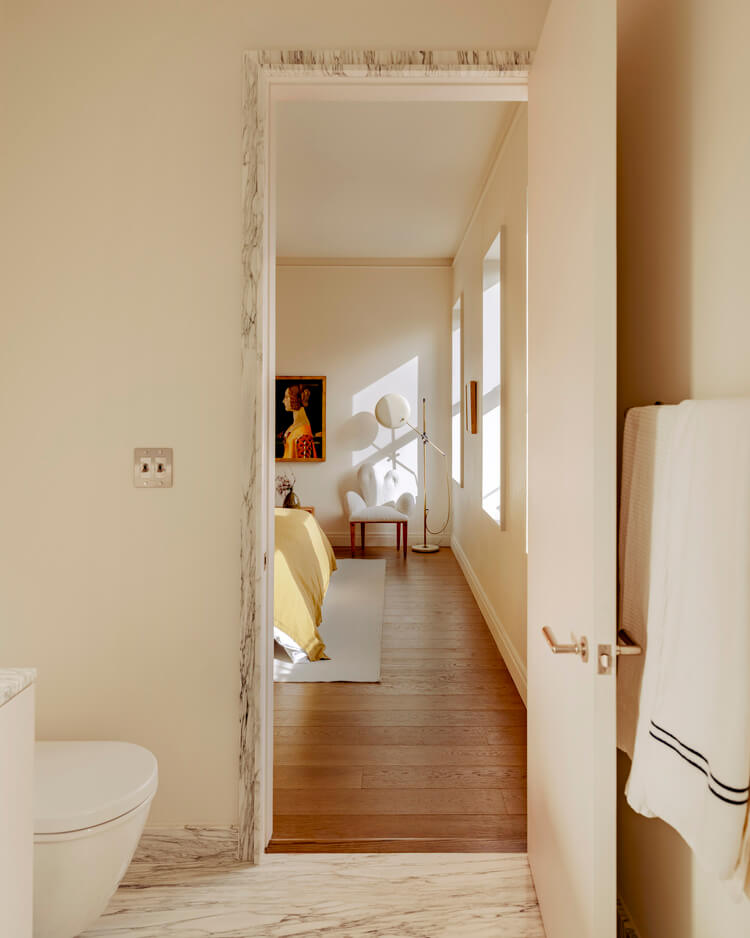
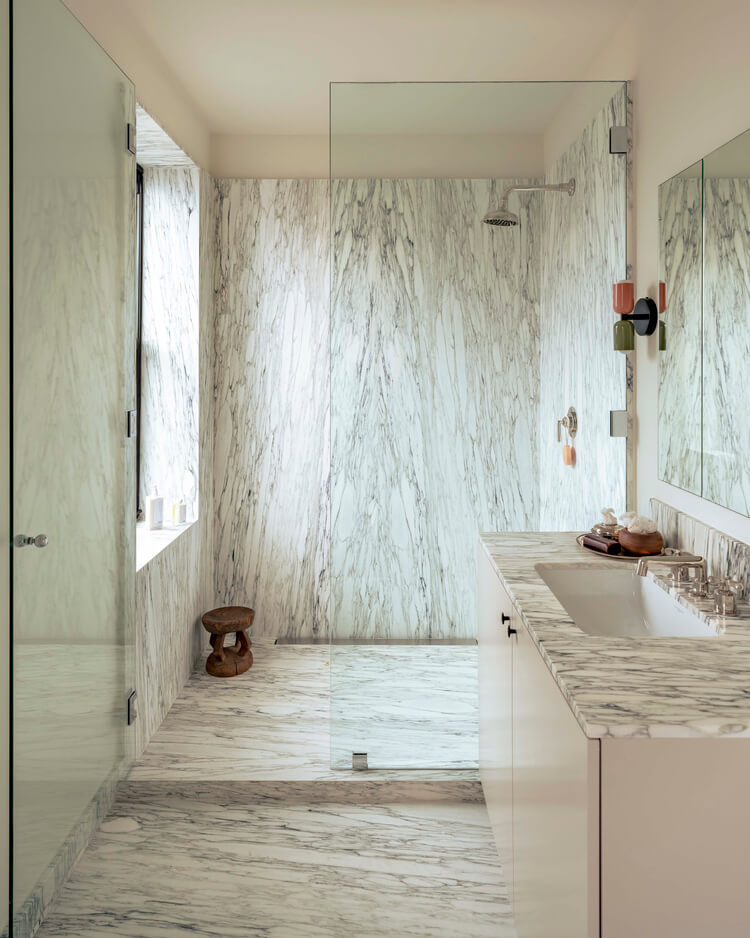
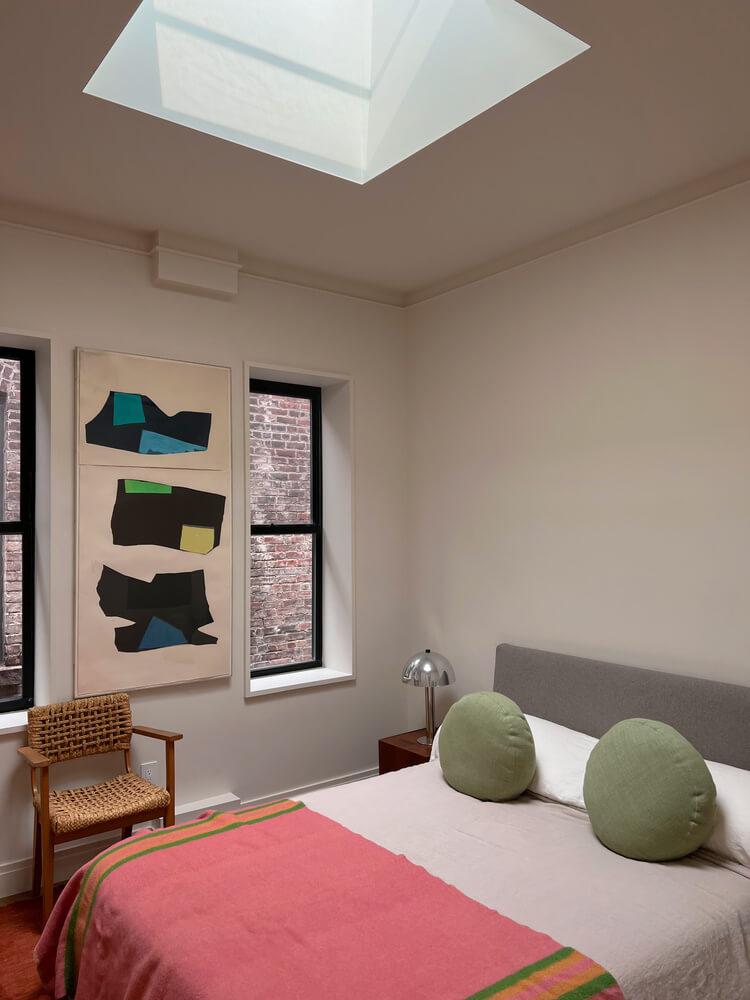
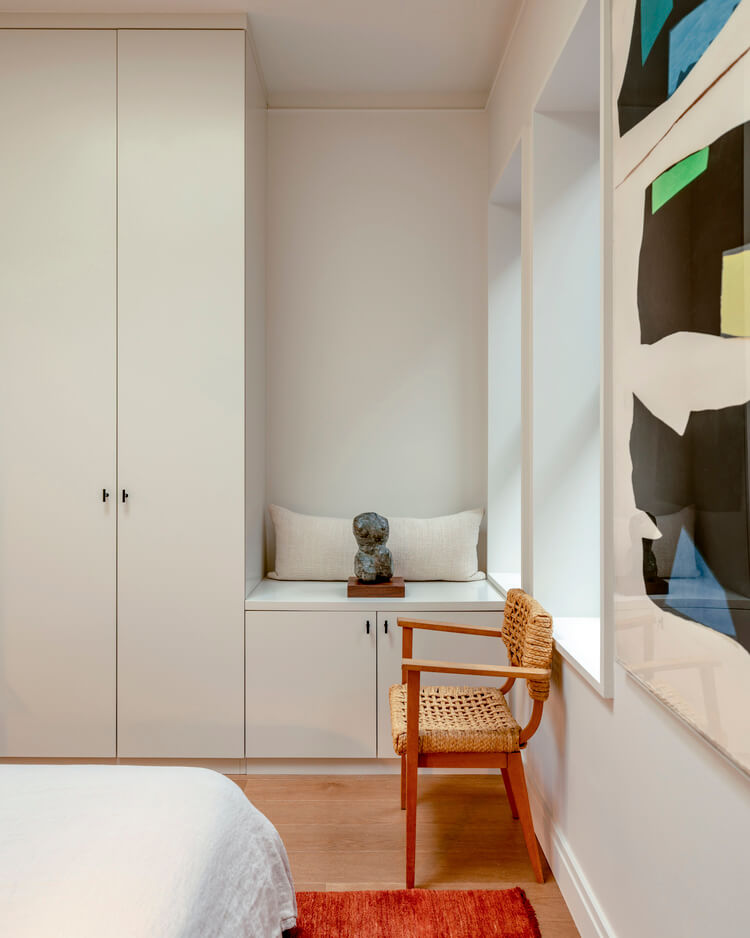
Photography by Sean Davidson & Clement Pascal.
A Victorian country house
Posted on Wed, 12 Jul 2023 by KiM
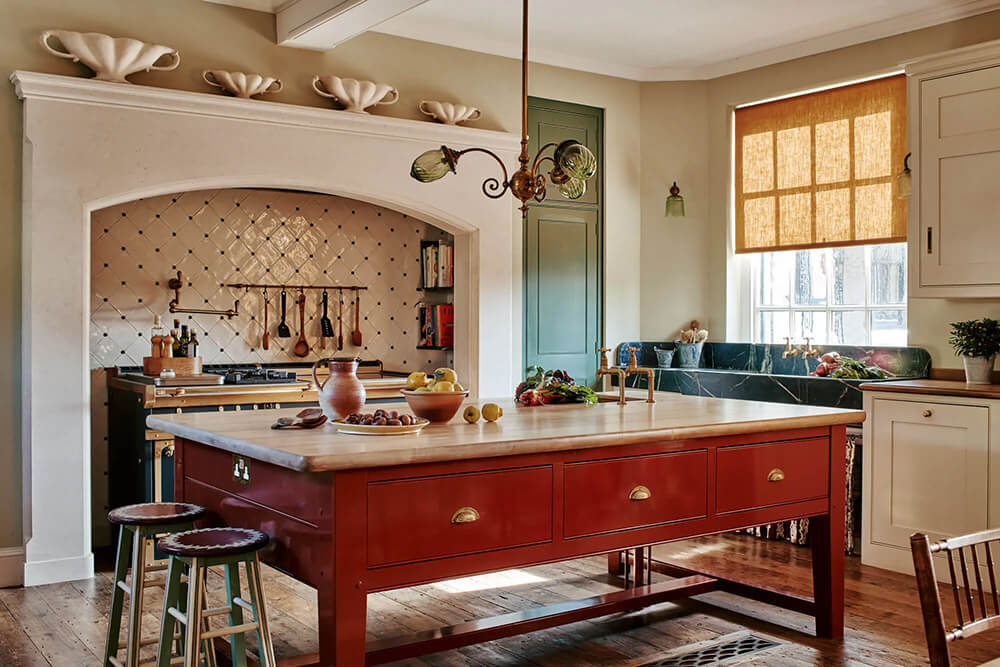
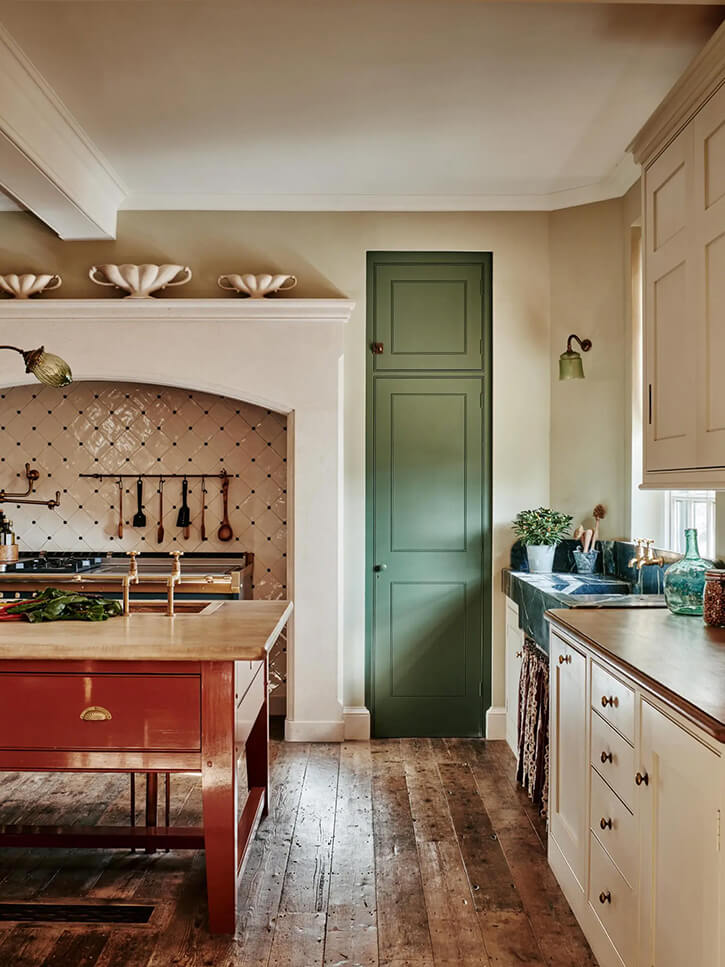
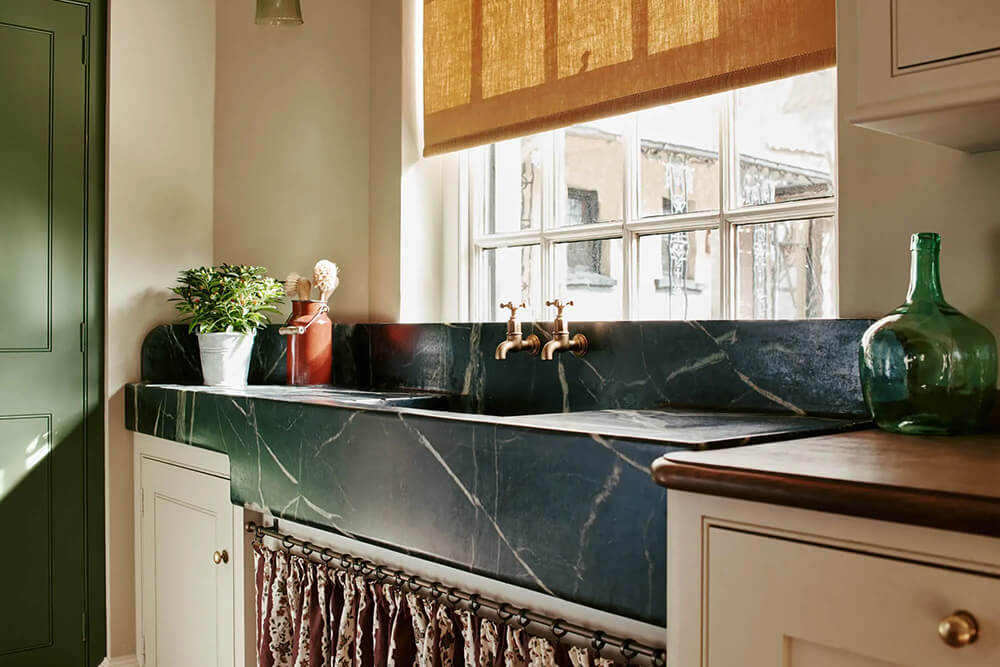
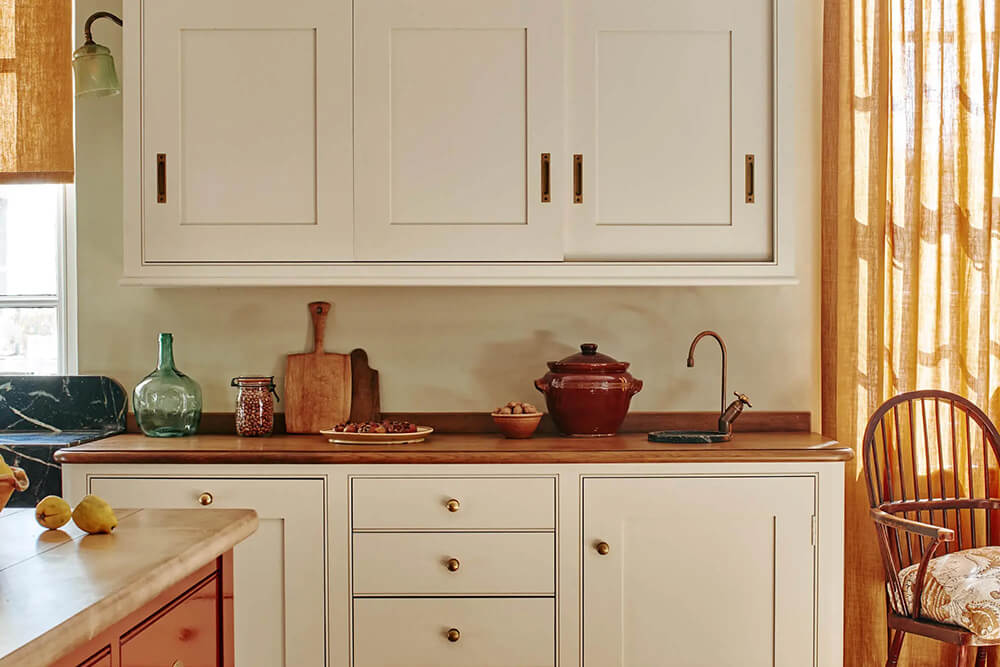
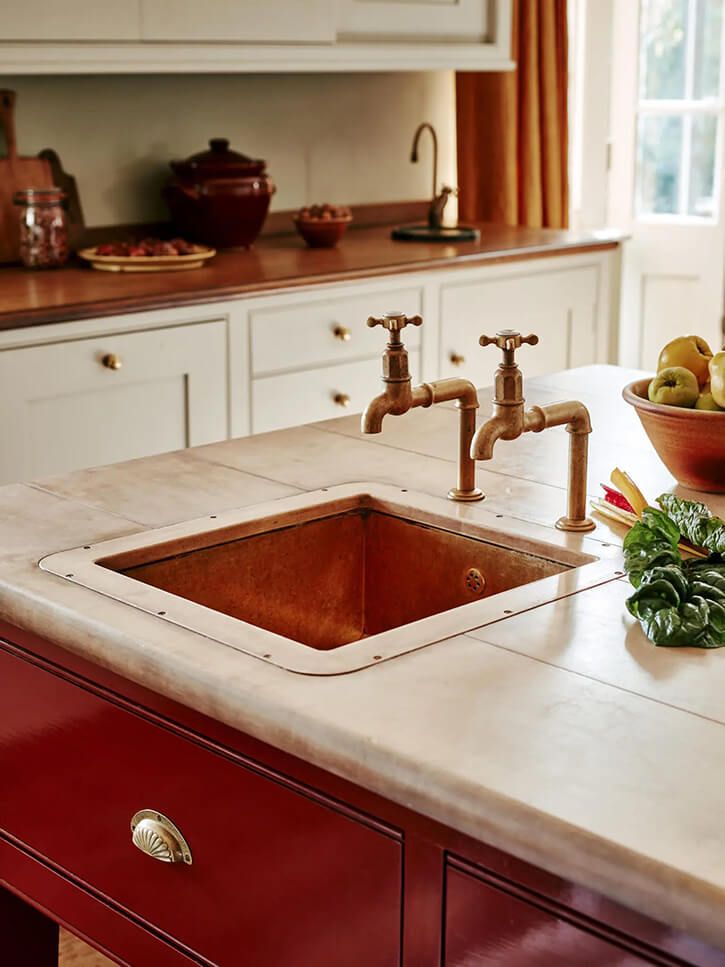
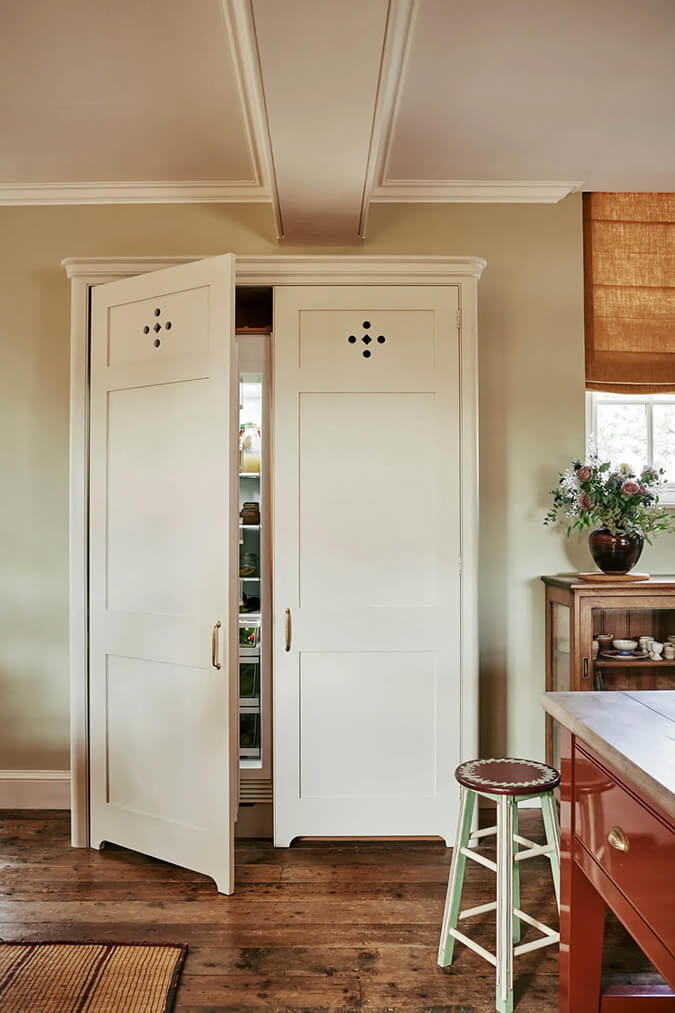
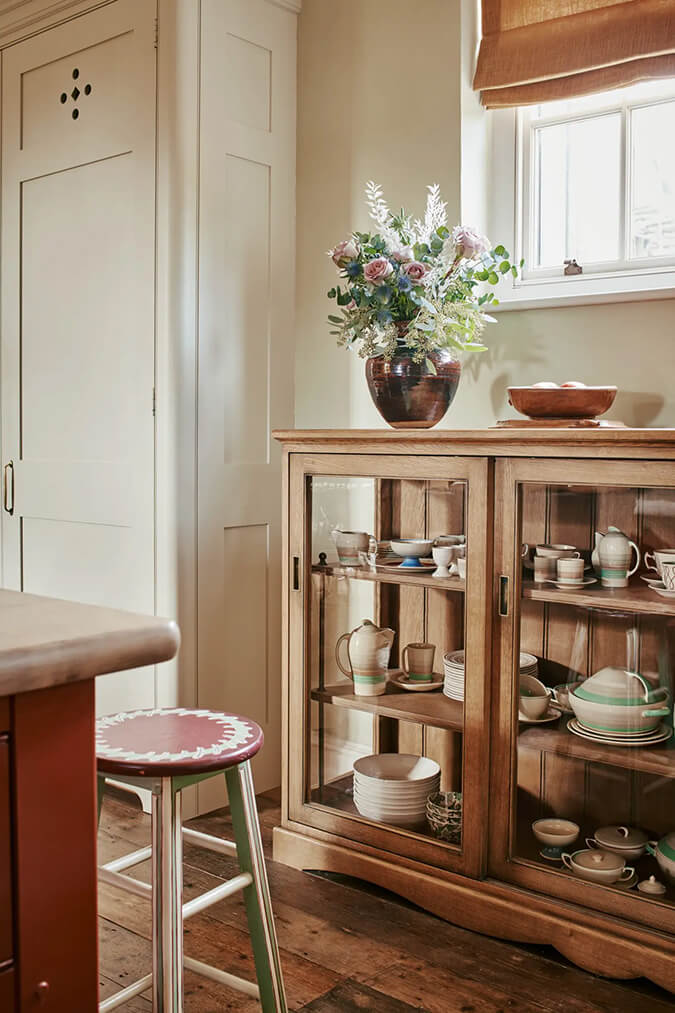
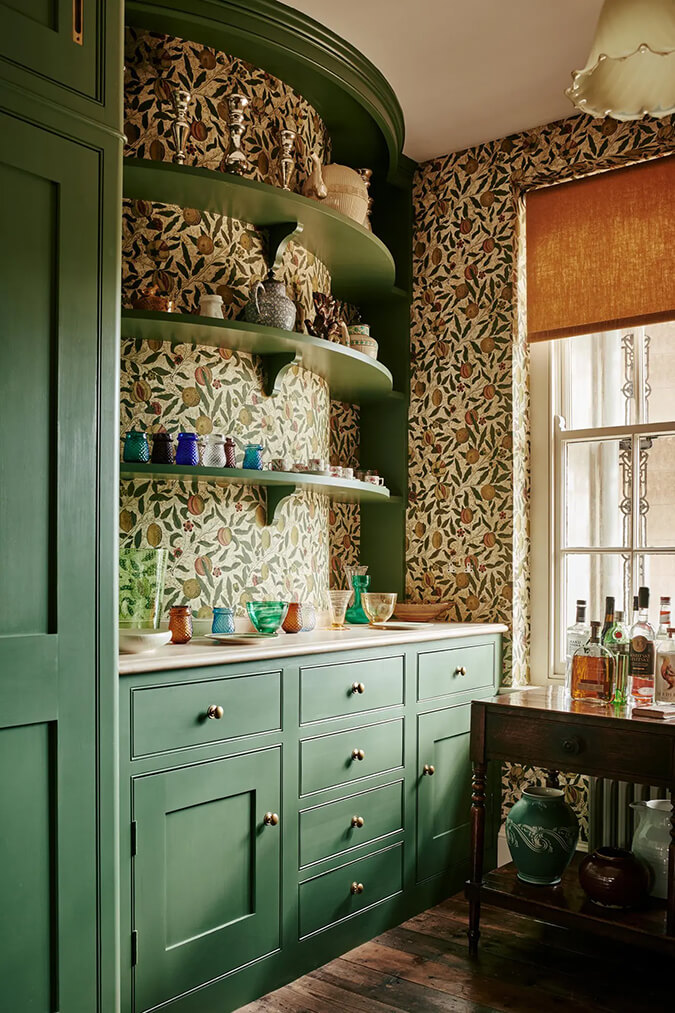
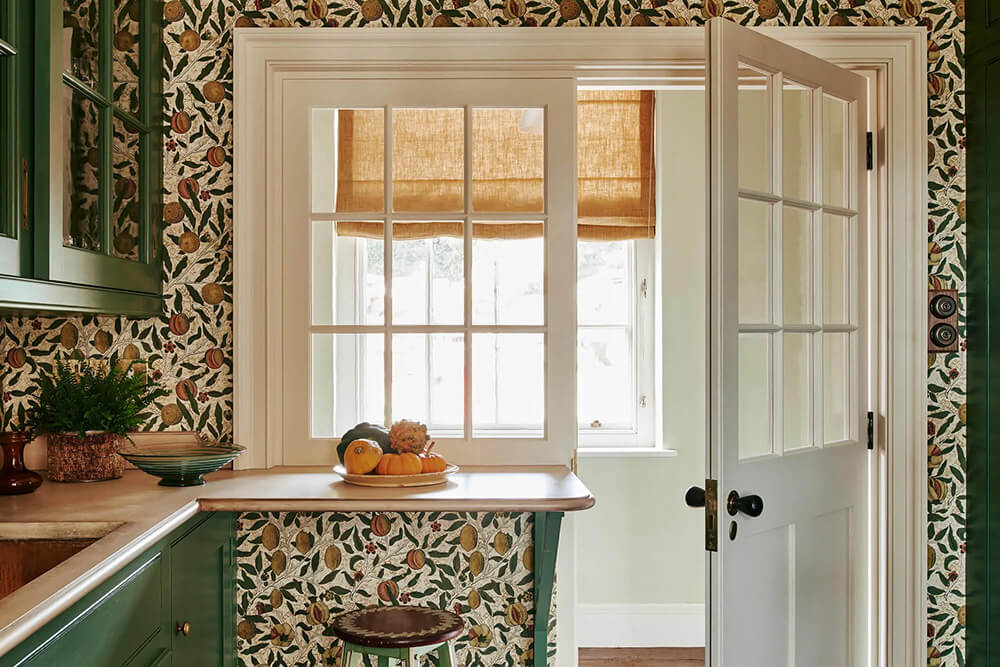
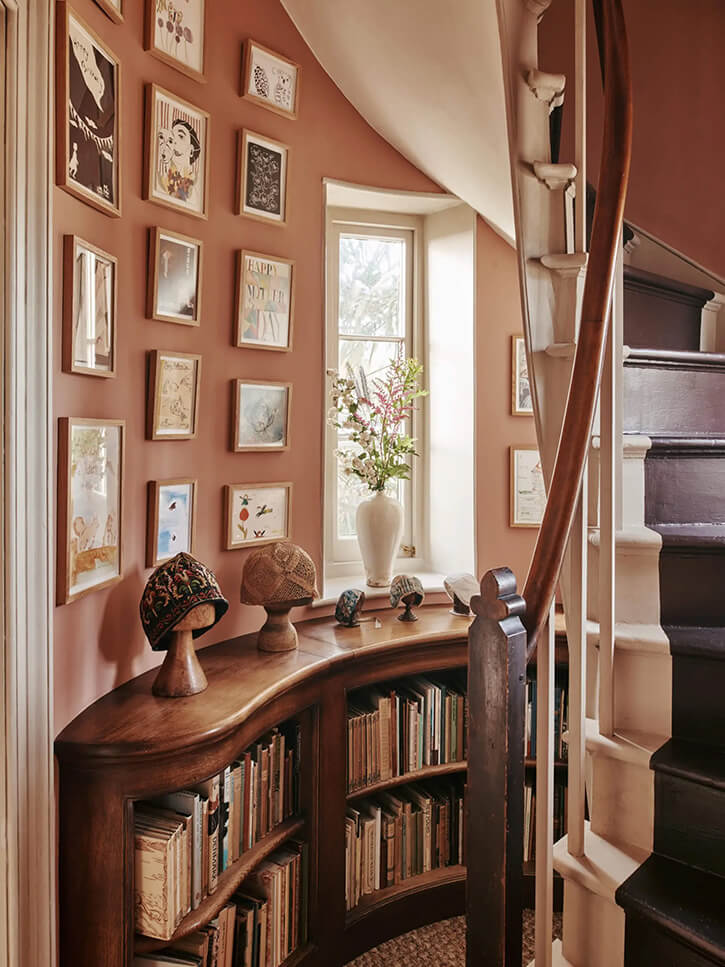
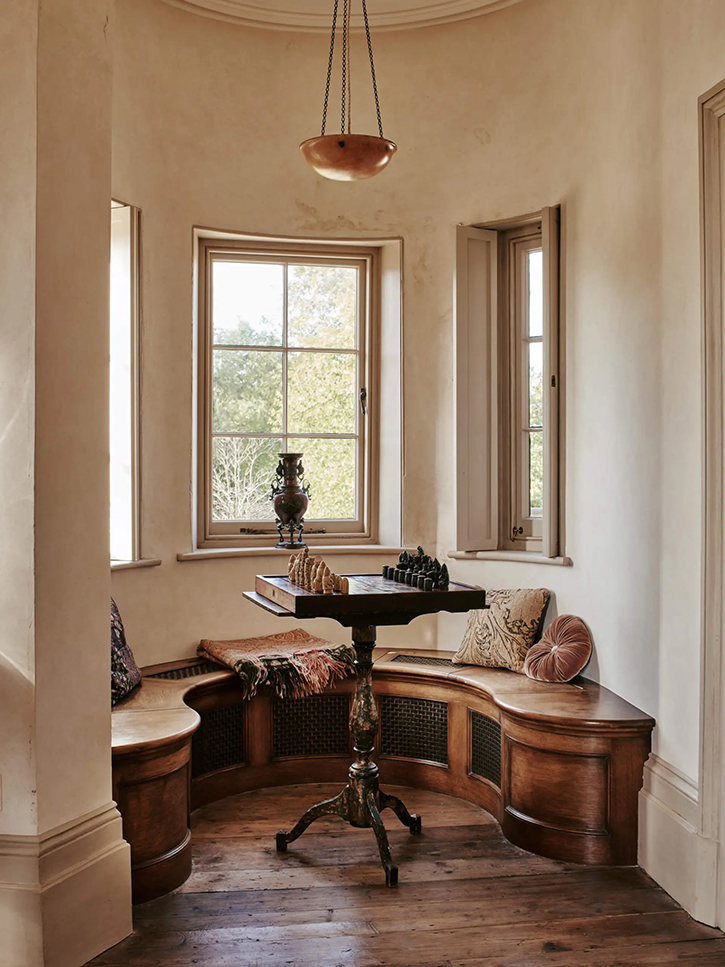
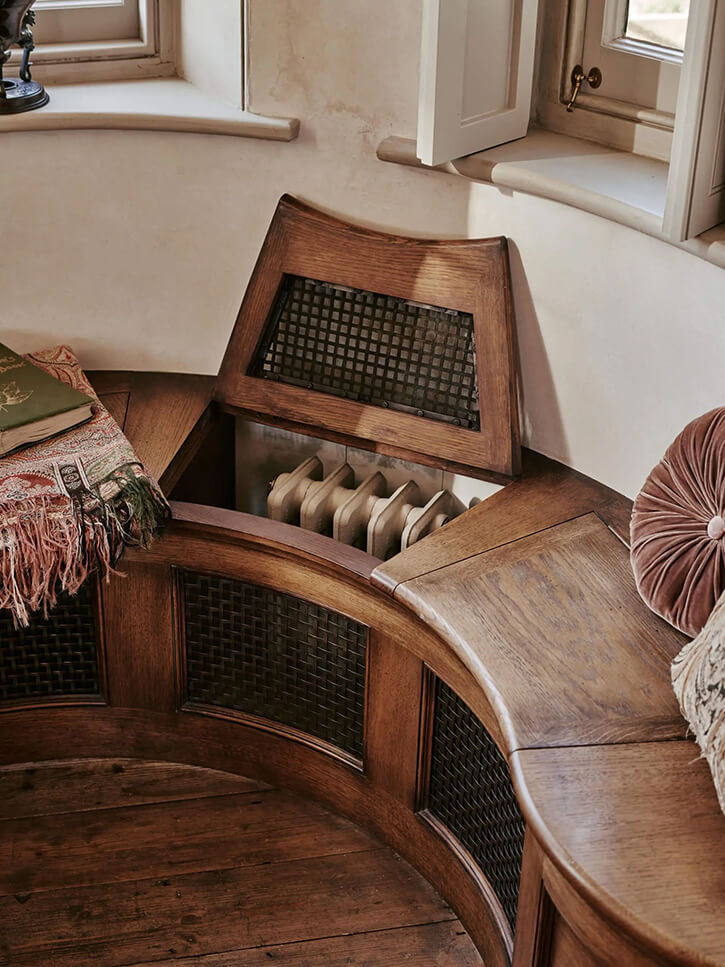
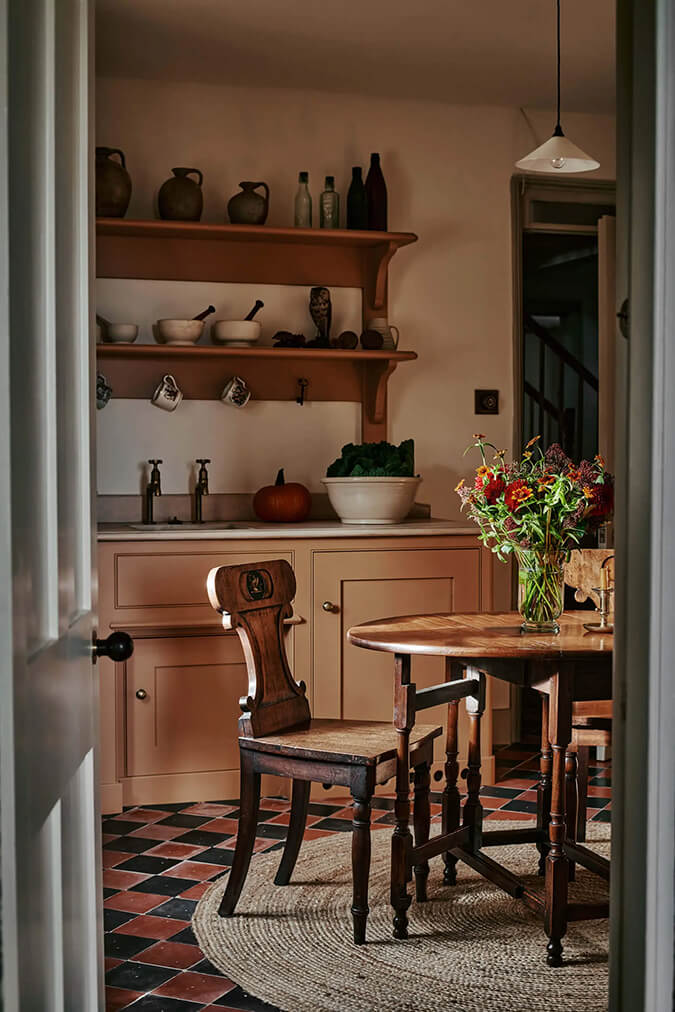
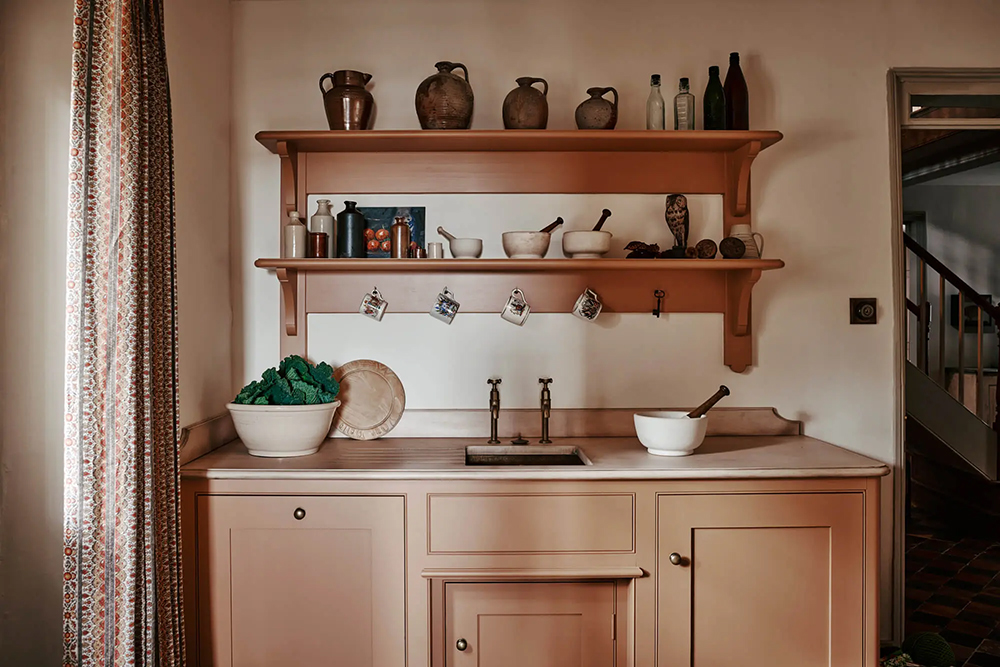
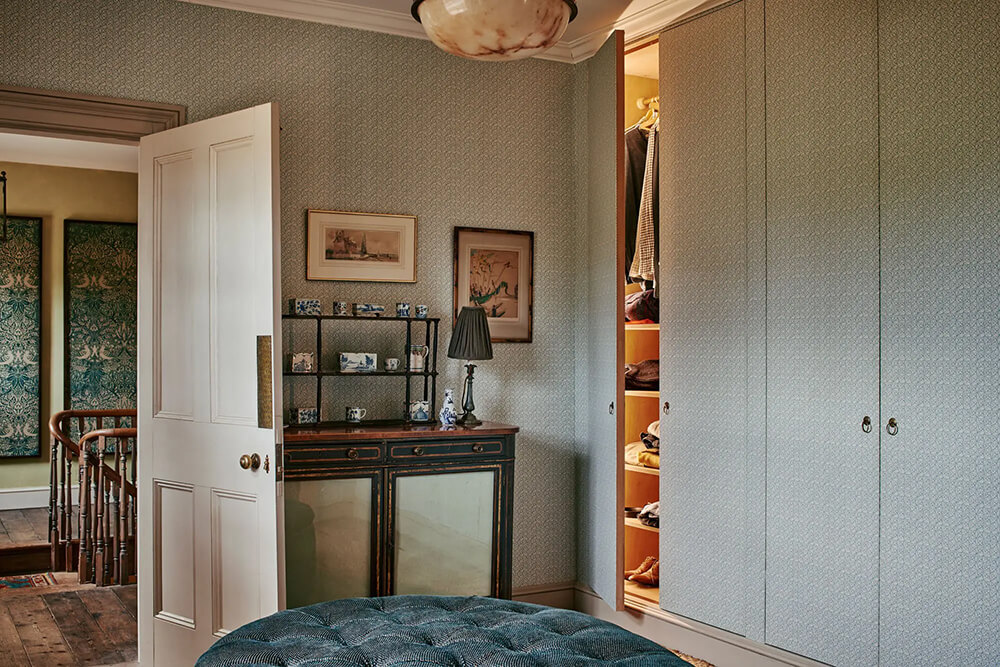
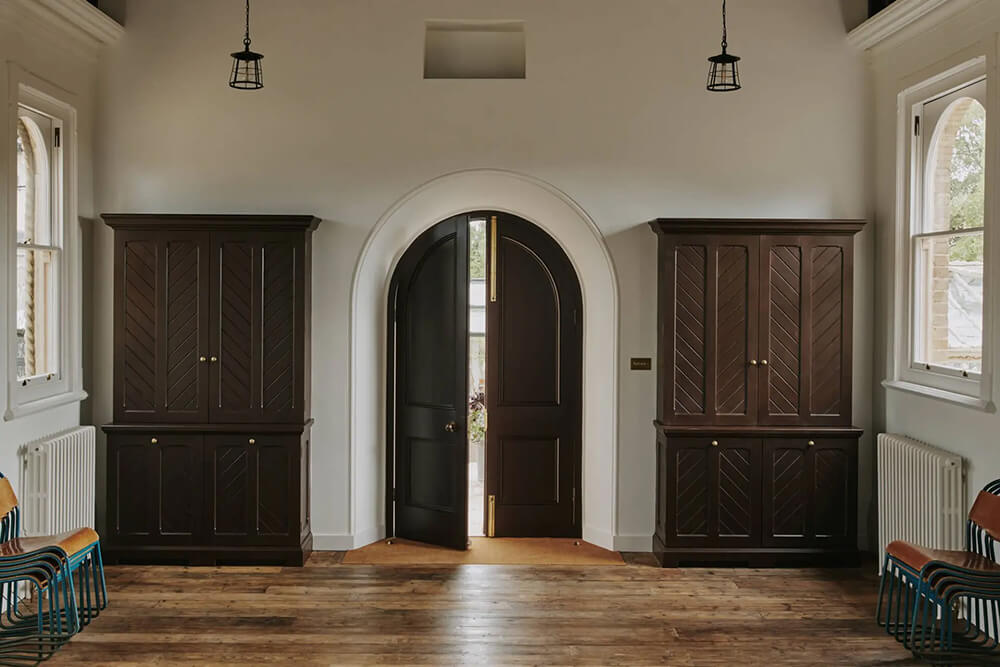
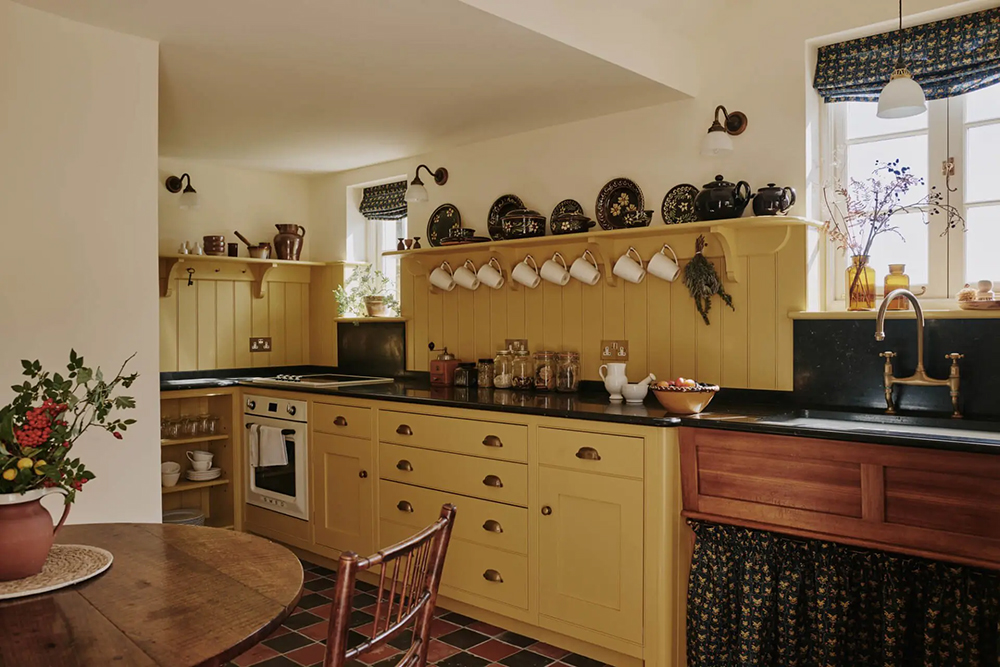
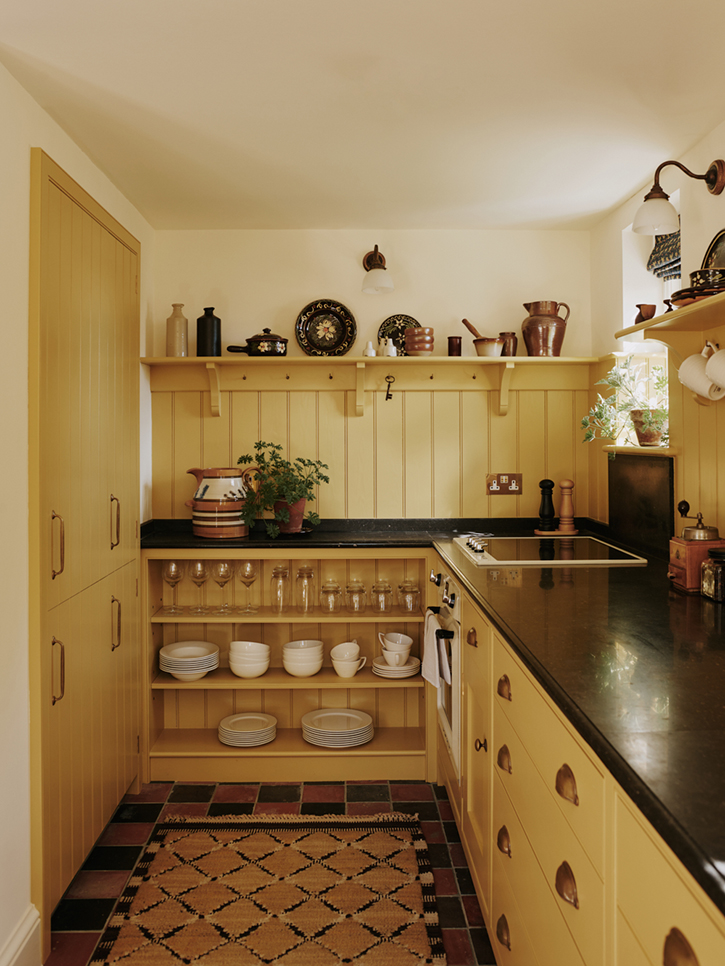
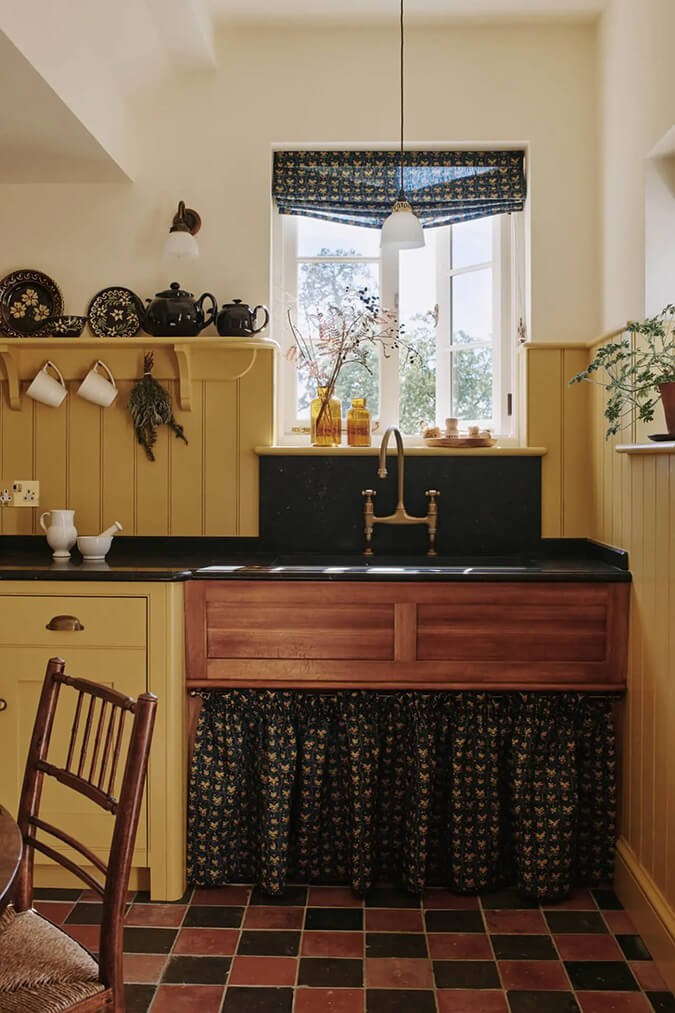
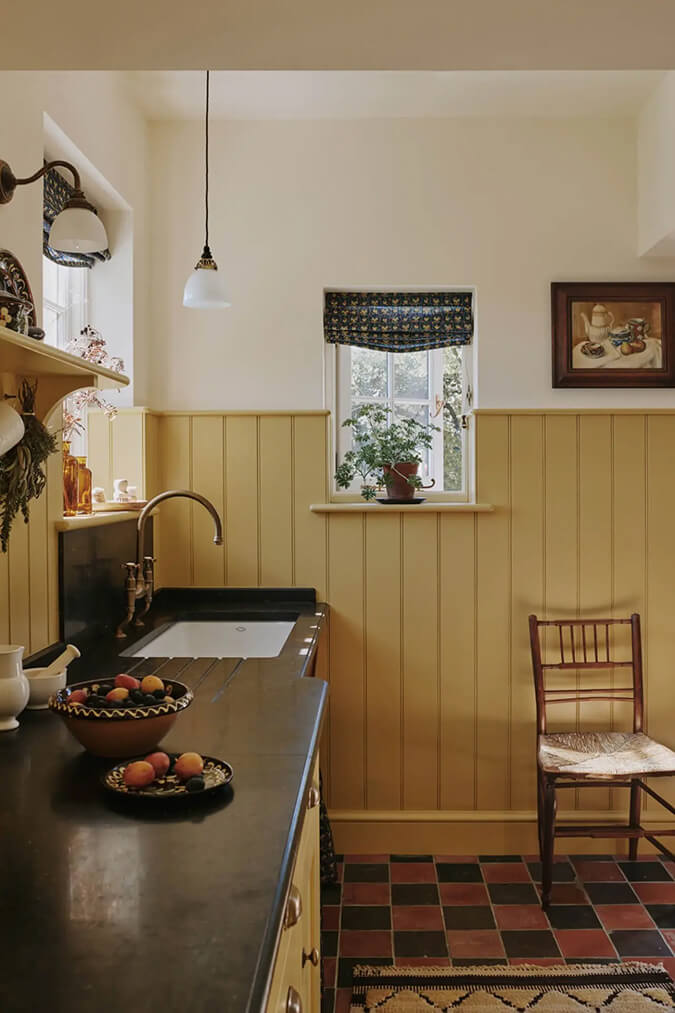
This exceptional house once belonged to a member of Queen Victoria’s household. It has now been painstakingly restored by its current owner who approached us to reconfigure the kitchen and pantry spaces which were a muddle of small rooms unsuitable for everyday dining and hosting informal supper parties. As often happens, our reach then spread to other areas of the house. In this case, we were also invited to design and make furniture for a guest kitchen, bedroom wardrobes and a bookshelf and bench seat set within a turret. Our work in this stunning house then extended to the billiard room and a kitchen for the cottage.
The bespoke joinery of Artichoke is what any/every period home needs to bring it back to its former glory and make it effortlessly functional and beautiful. The work they contributed in this home is spectacular and will only become more so over time.
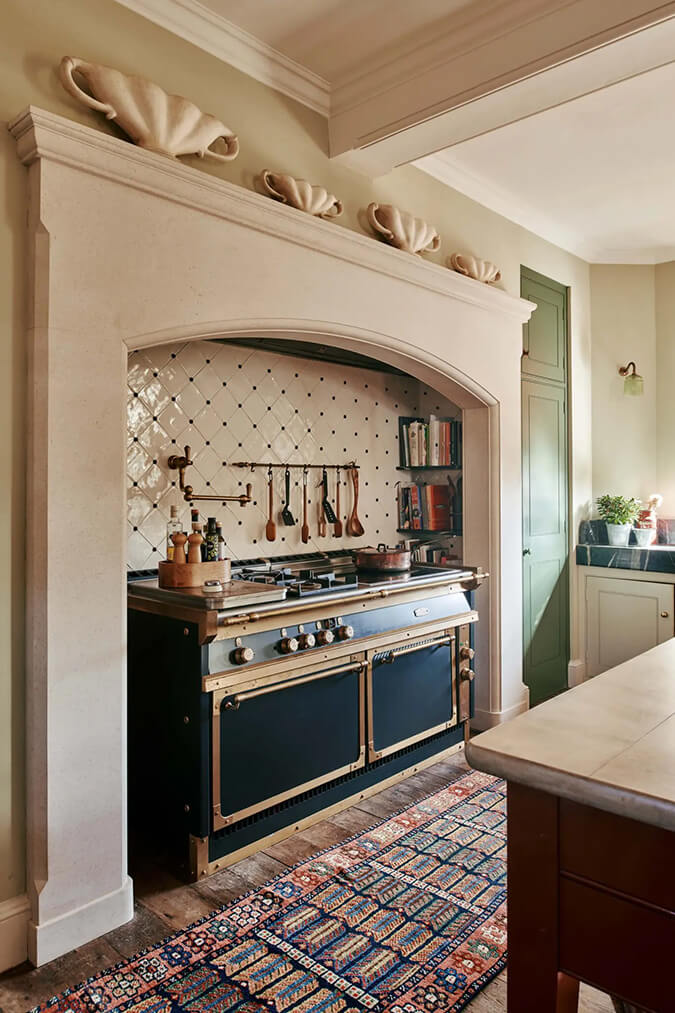
The family kitchen
The pantry
The turret
The guest kitchen
Wardrobes
The billiard hall
The housekeeper’s kitchen
A civilized luxury
Posted on Tue, 11 Jul 2023 by midcenturyjo
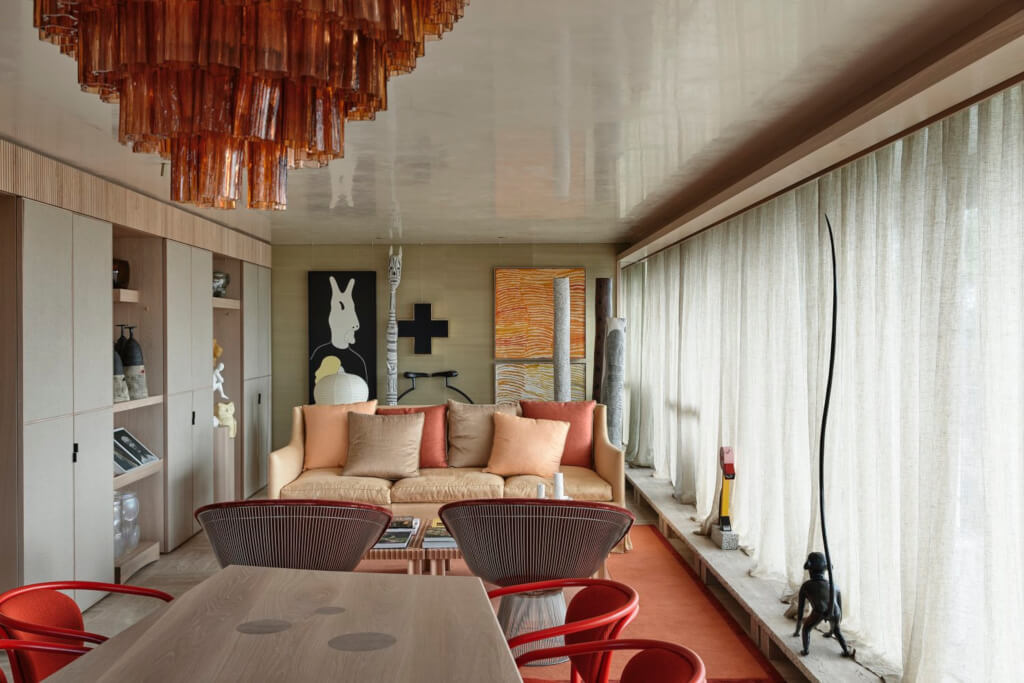
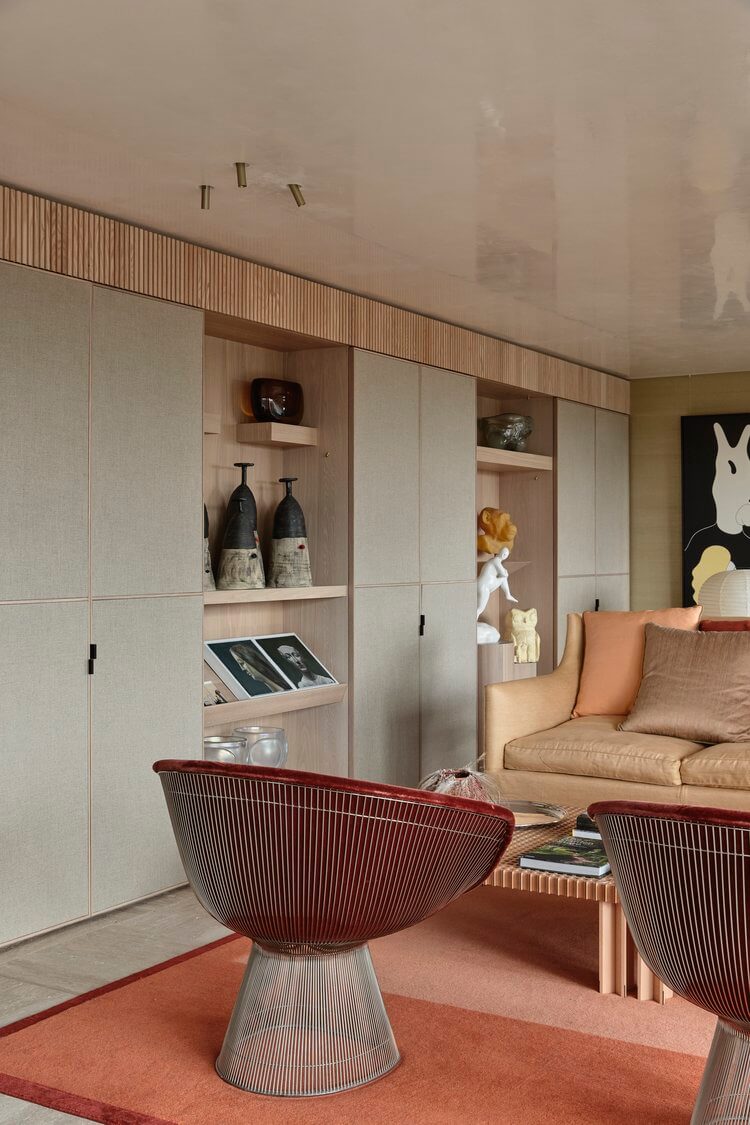
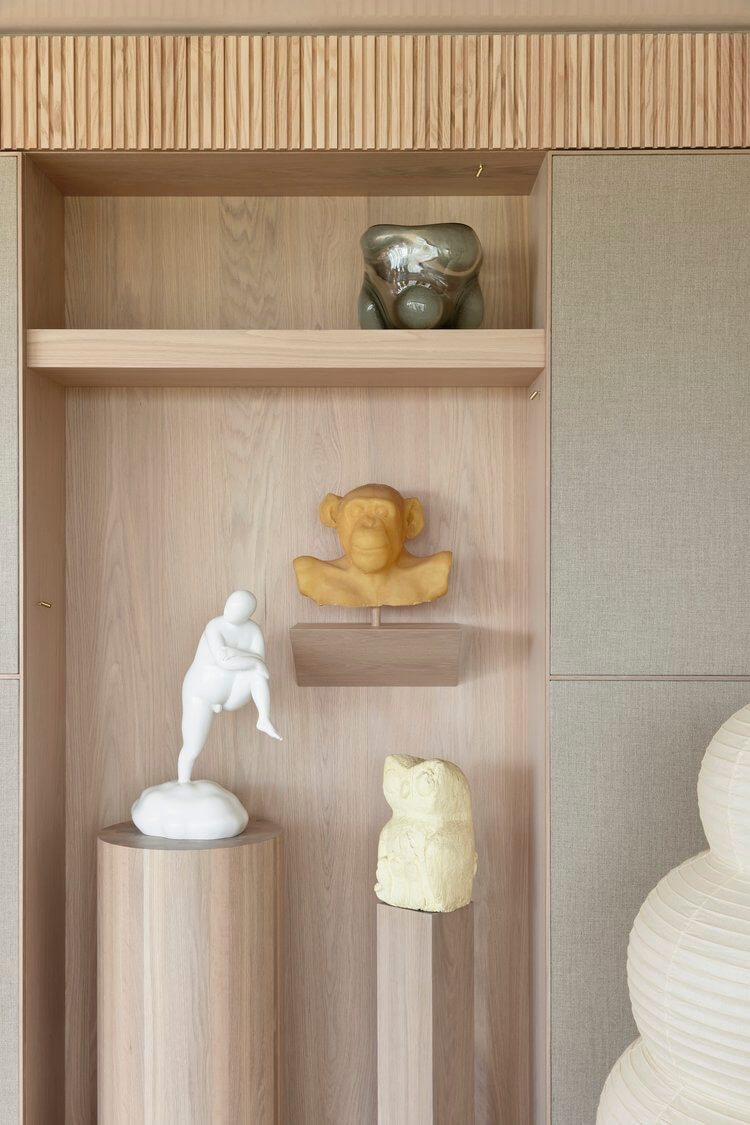
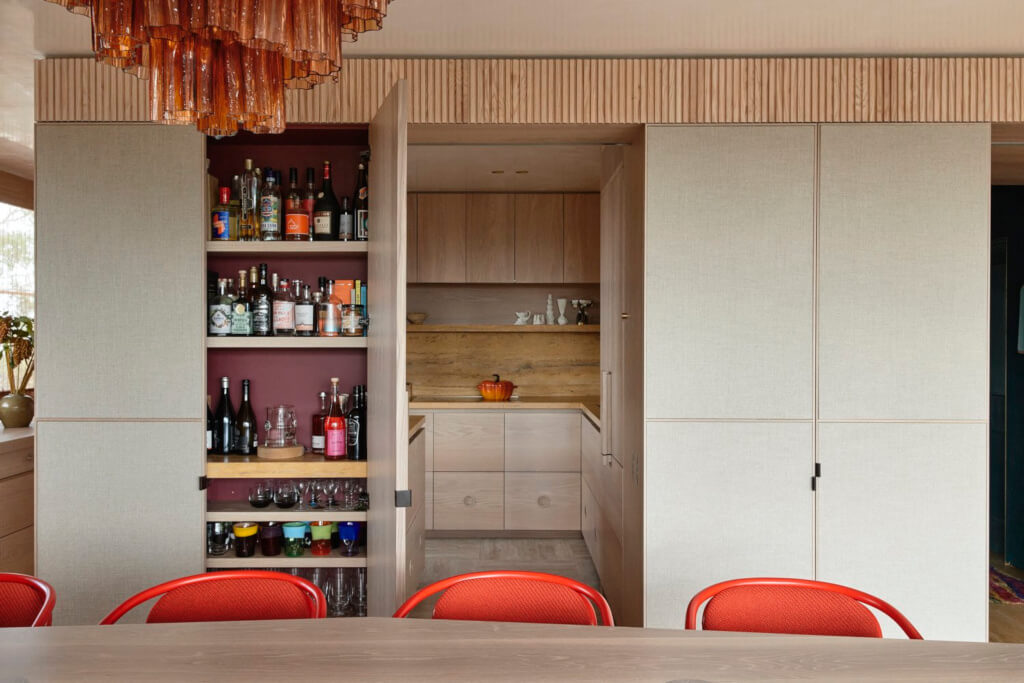
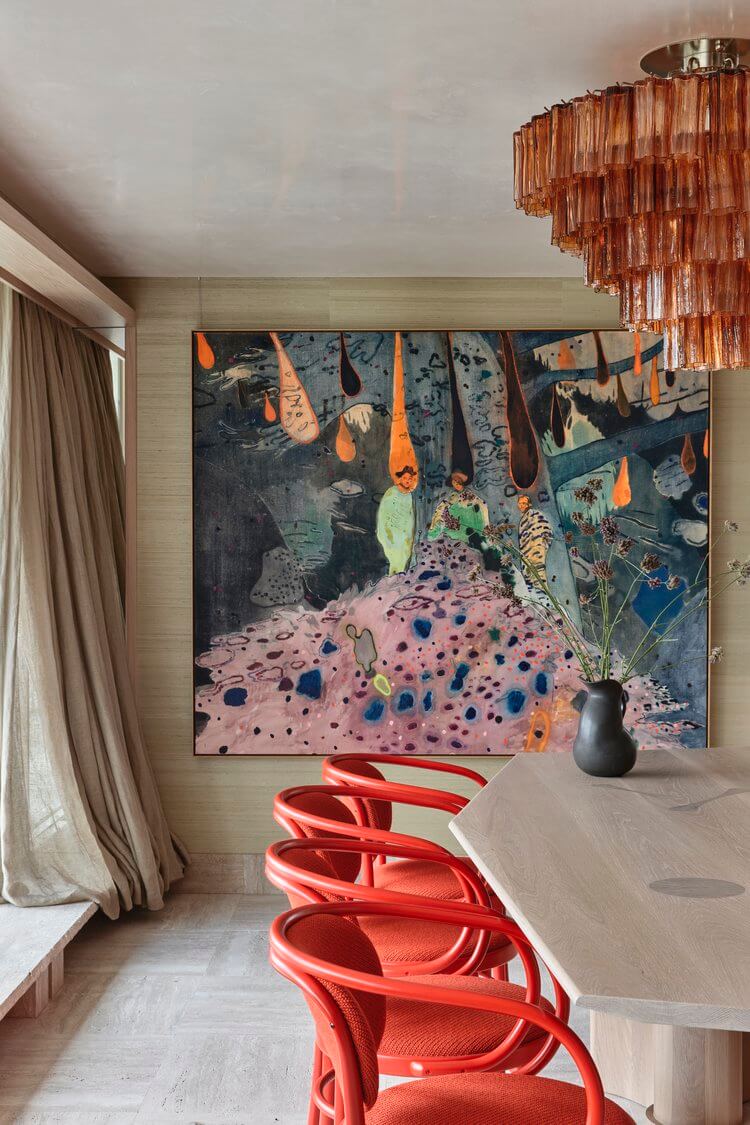
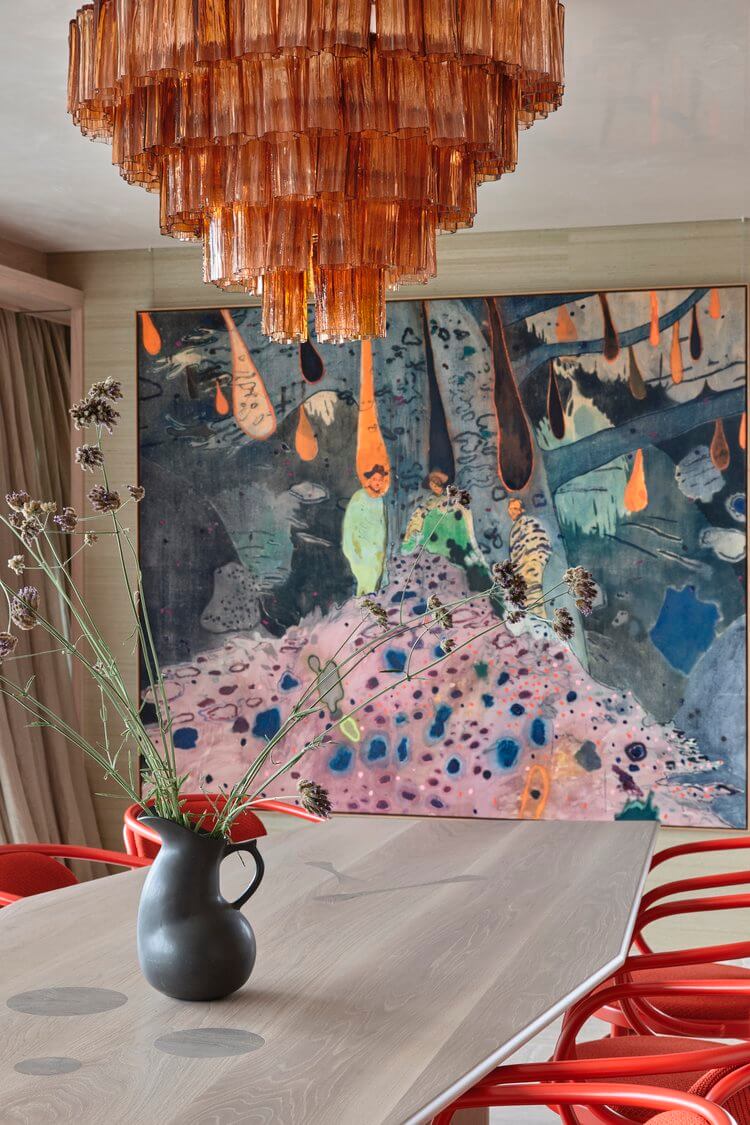
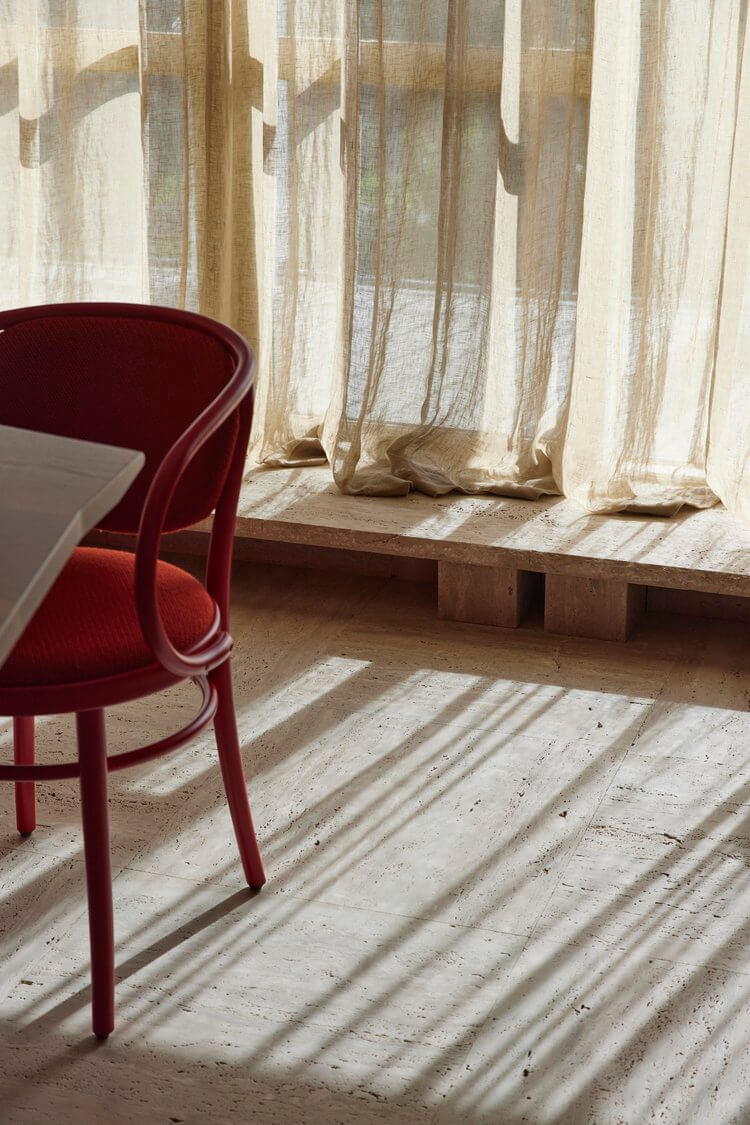
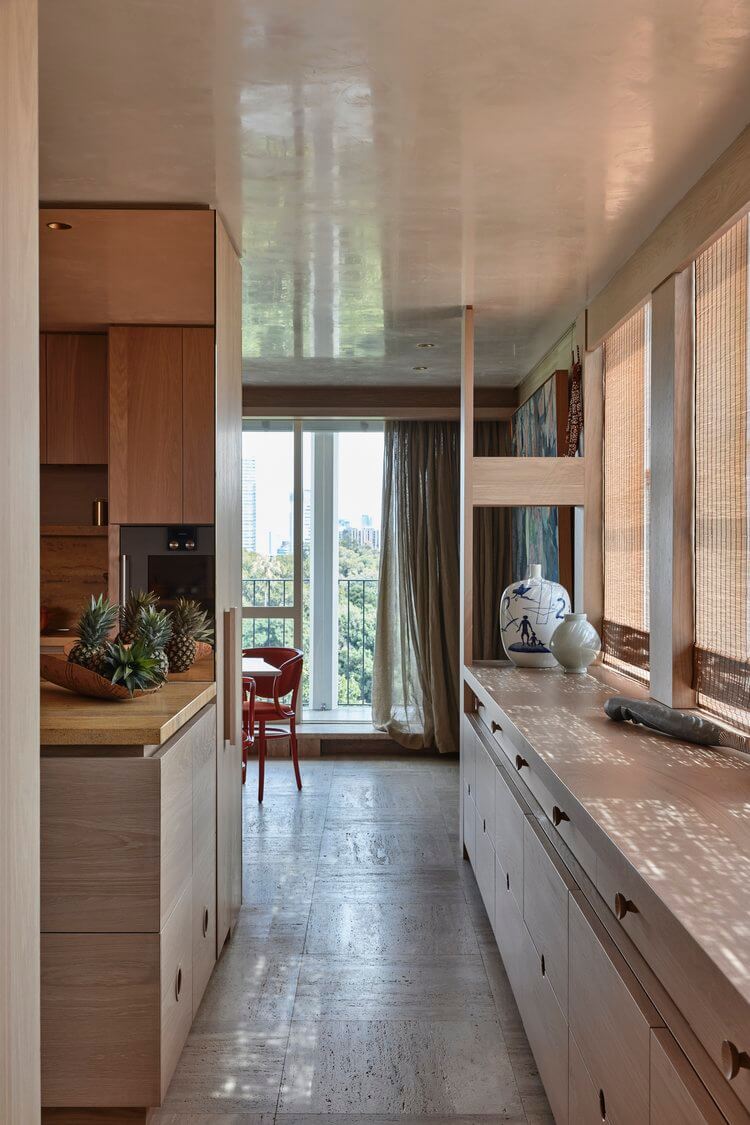
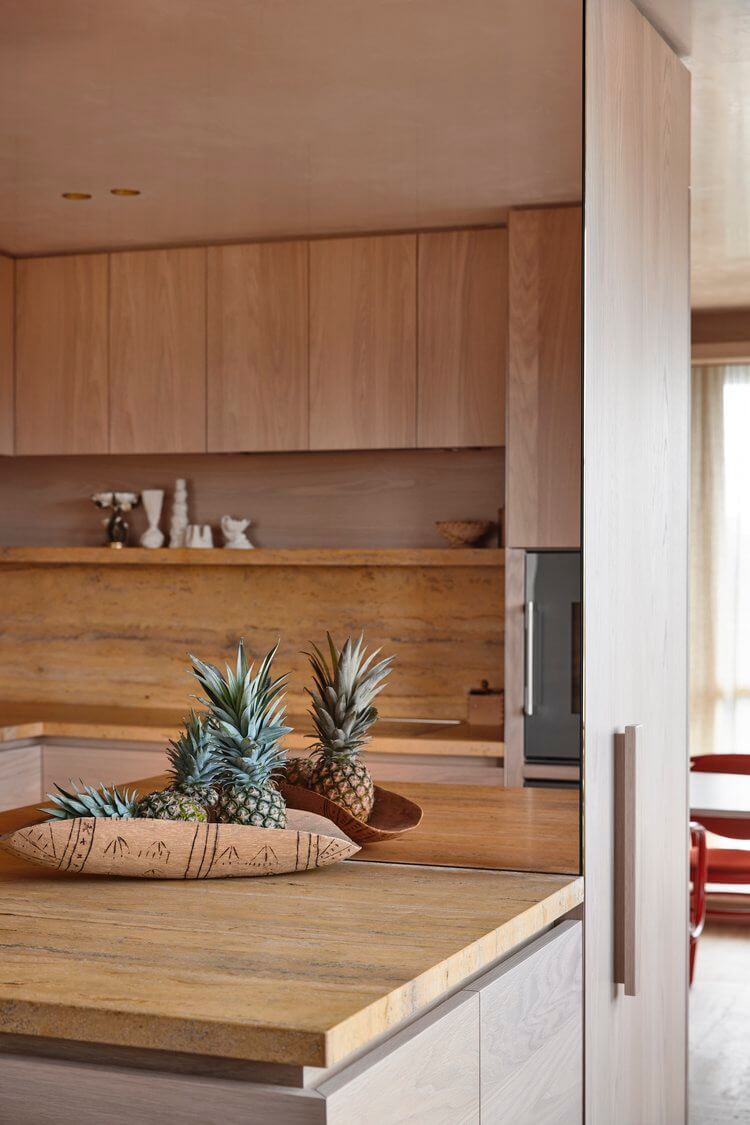
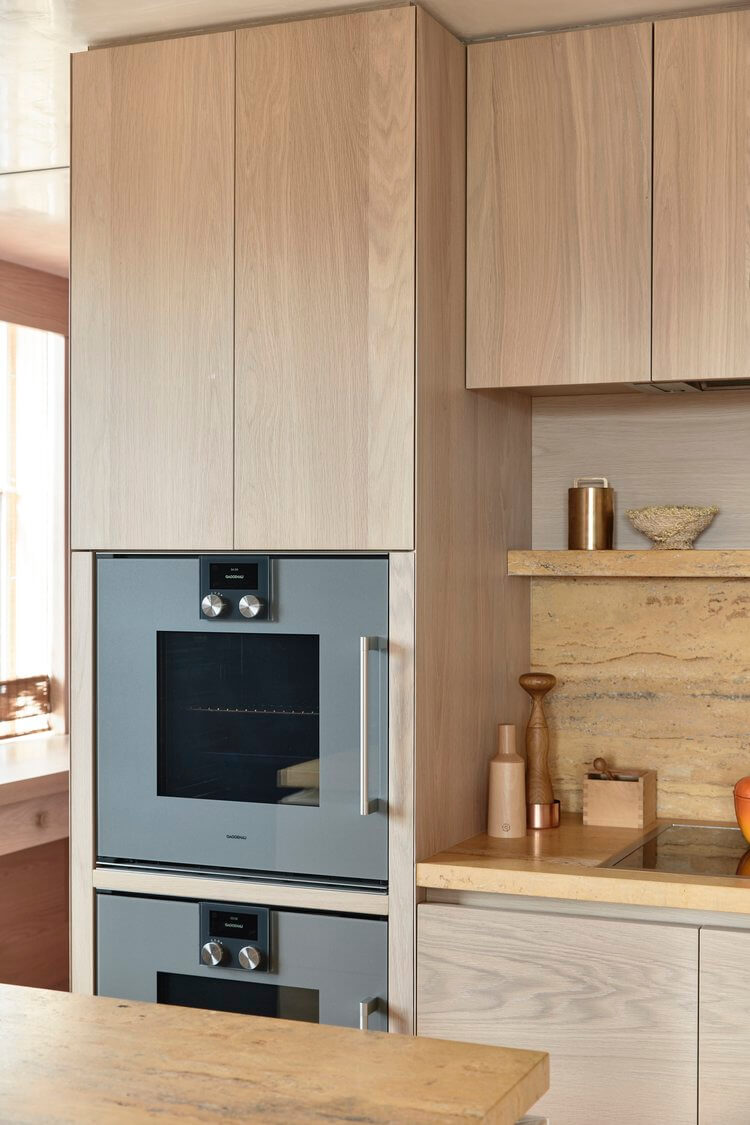
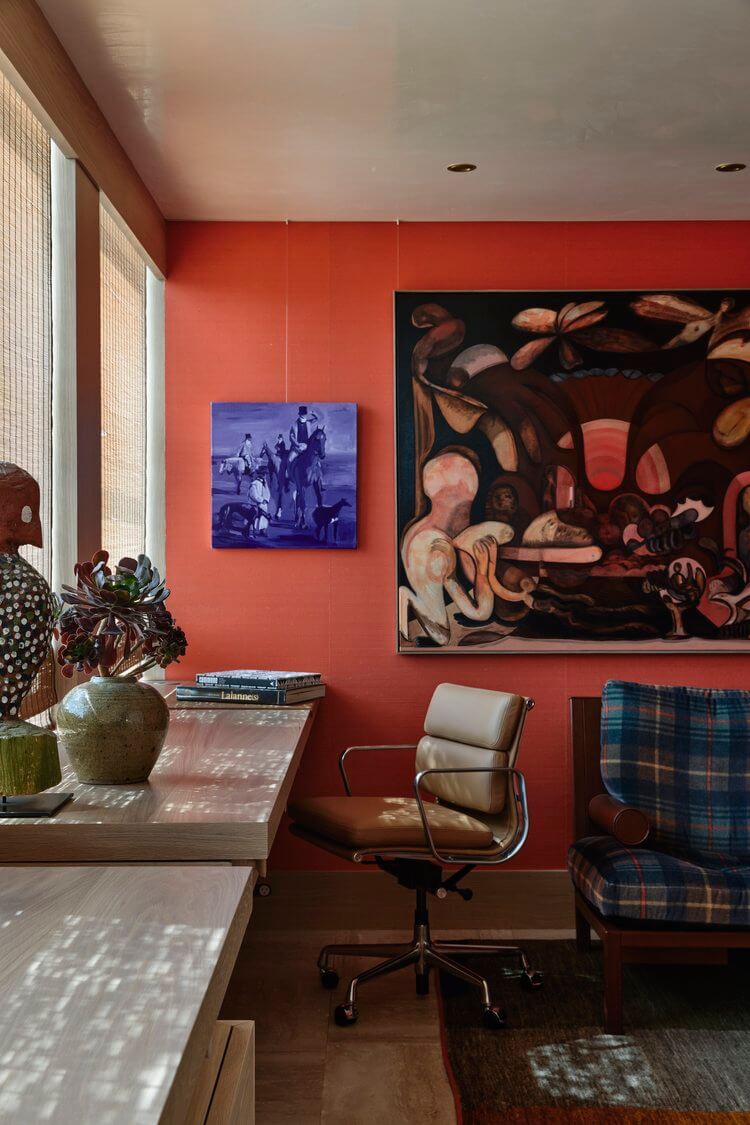
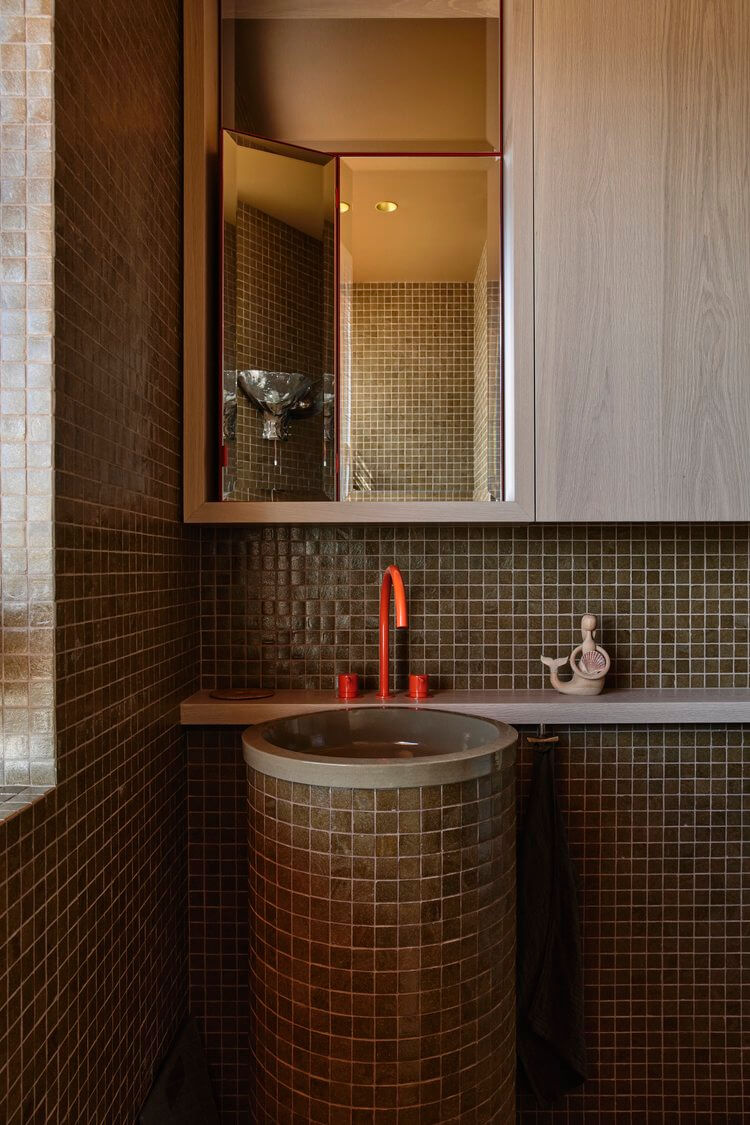
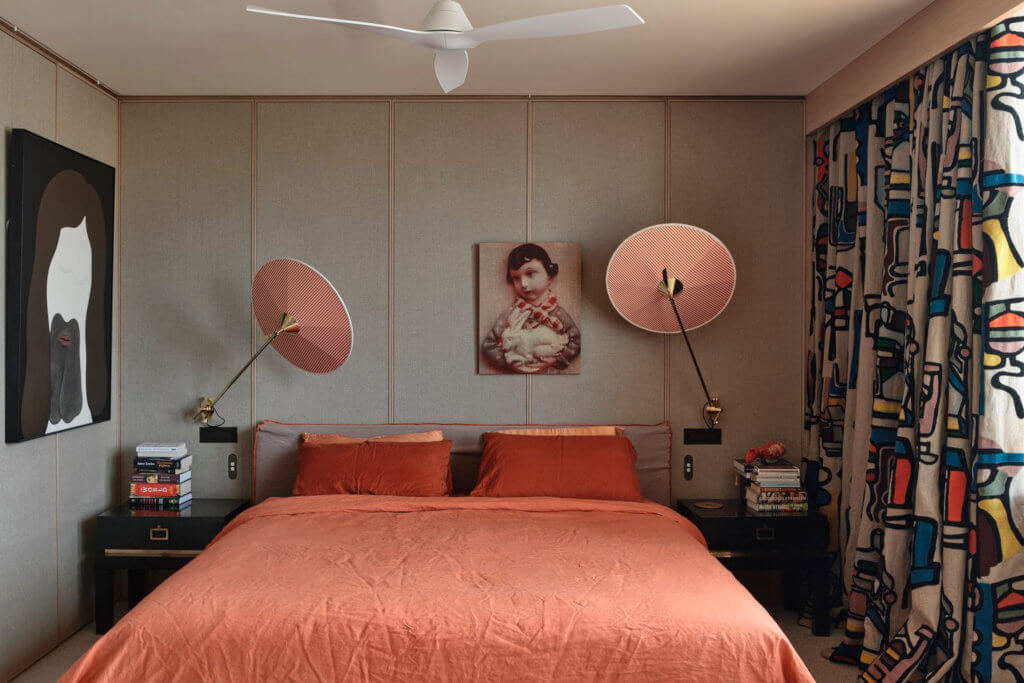
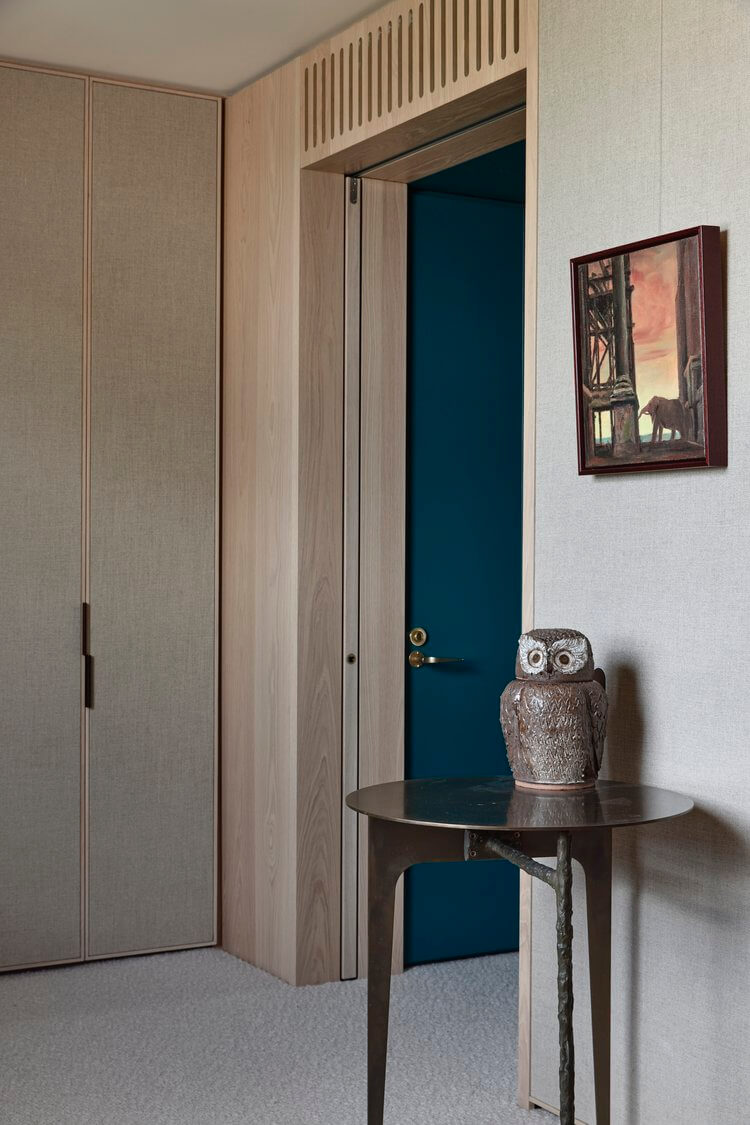
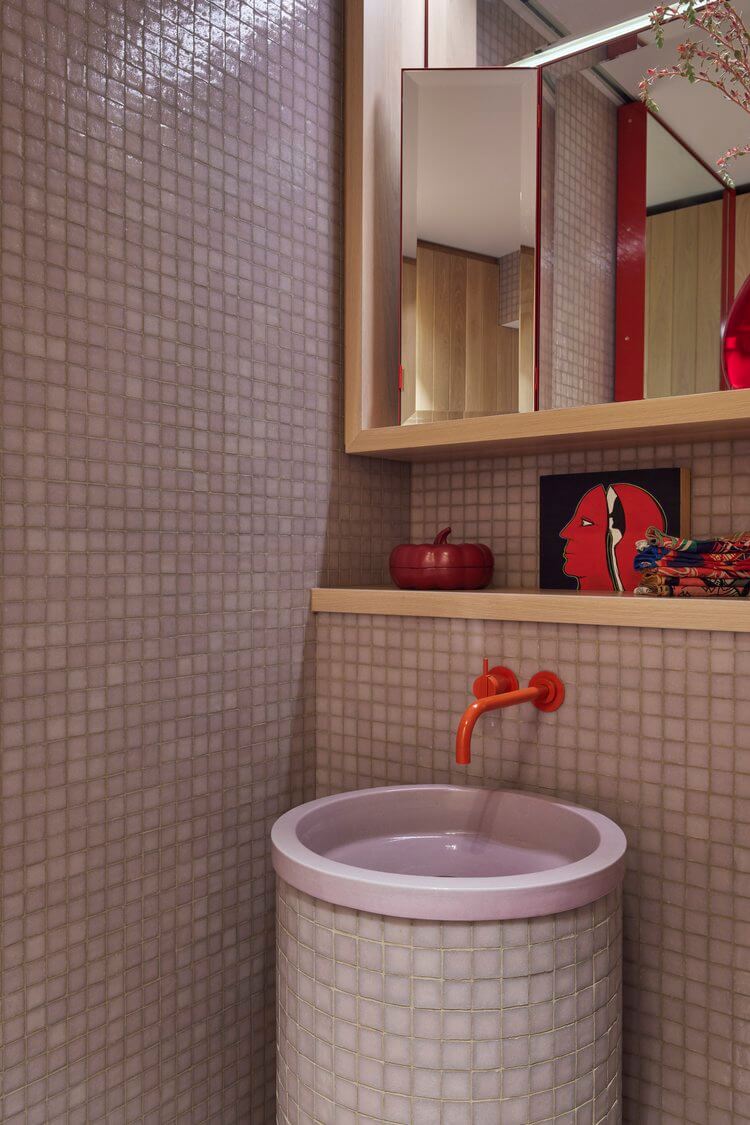
“Put simply, the brief was for a down-size apartment for a client transitioning from a large house and garden which came with a lifetime of carefully and intelligently collected art and furniture … The nexus of a decorative late-modernist building, definitive spatial planning and a desire to make a setting for art, objects and furniture came together in a particular way. Materiality, texture, surface and colour draw on the tertiary hues of late modernism and the luxurious intensity of a design movement at its hedonistic zenith – an approach epitomized by the extensive use of that most bourgeois of tones – beige. Enfilade planning opens up the interior and de-limits horizontal space, a progression which is enlivened through intense but purposefully muted colour and texture at the entry and in the snug. And finally, the impact of precious objects is heightened through designation of specific places – plinths, platforms and ledges, but also through an elevated entourage of grasscloth, raw linen, limed oak and polished plaster.
This apartment is civilized in the very best sense, it is not vulgar luxury, rather it reflects a thoughtful and cultivated approach to living beautifully and well.”
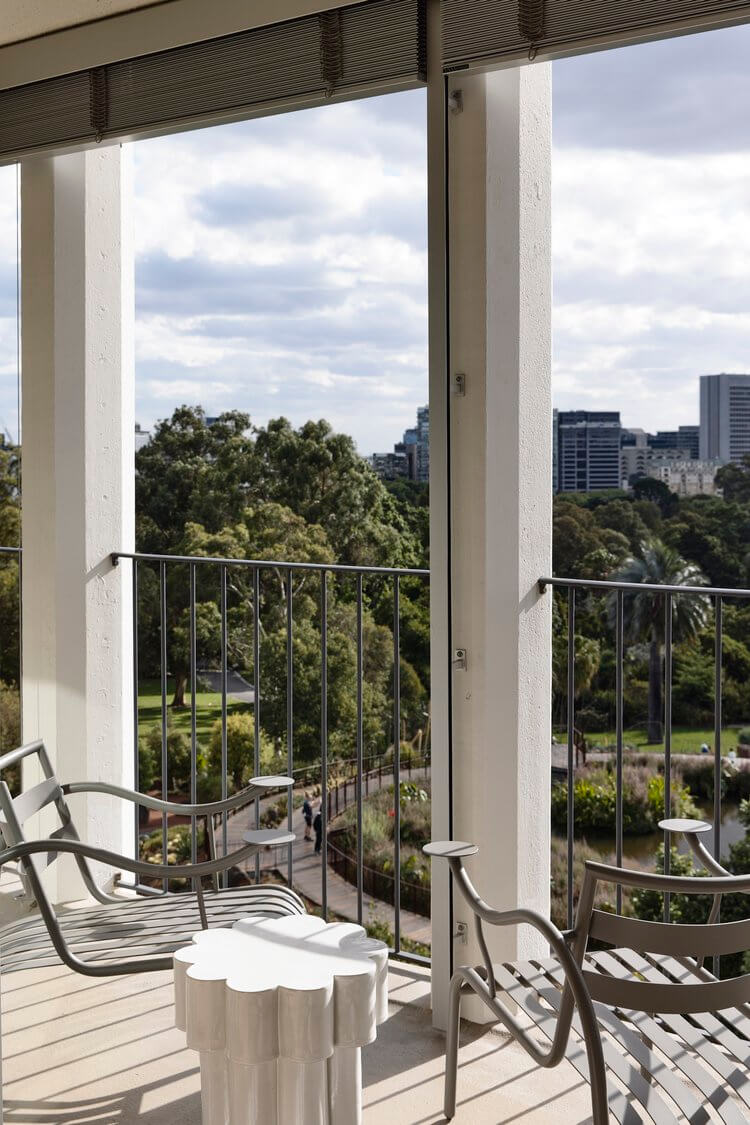
Re-imagining a small apartment in Melbourne’s iconic late-modernist apartment building Fairlie by Kennedy Nolan. Part Wunderkammer part inner city luxury pad all fabulous.
Photography by Derek Swalwell.